

Before combine harvesters and hired labourers, there was a different way. When a farmer’s crops were ready to cut, he didn’t reach for his wallet. He knocked on his neighbour’s door.
What the Meitheal Was
The meitheal (pronounced meh-hul) was the ancient Irish system of communal labour exchange. A group of families within a townland — Ireland’s smallest geographic unit — would agree to work each other’s land in turn.
No money changed hands. No contracts were signed. The only currency was trust, and the only obligation was to show up when it was your turn to give back.
This wasn’t charity. It was a precisely balanced system. If your neighbours helped cut your turf or harvest your oats, you owed them the same number of hands for the same number of days. Bookkeeping happened in memory, not in ledgers.
Who Was Involved
The meitheal drew on the whole townland — men, women, and older children, each with a defined role.
The men came for the heavy work: cutting hay, turning turf, lifting sheaves of grain. The women organised the cooking. Feeding twenty hungry workers was its own kind of labour, and no meitheal was complete without a mountain of food.
Young people found it a rare occasion to socialise beyond their own farmstead. The meitheal was one of the few times in the rural year when neighbouring families mixed freely — working side by side, trading stories, teasing each other across the rows.
The Food That Fuelled It
The housewife’s contribution to the meitheal was taken as seriously as the farmer’s.
She would rise before dawn to prepare. Oat cakes, potato bread, thick soup, fresh butter, and strong tea were standard. On a good day, there might be cold bacon or a jug of buttermilk. By late afternoon, a great pot of potatoes would go on the fire, ready for when the last sheaf was carried in.
In some parts of the west, a small measure of whiskey was passed around at the end of the day — a tradition that persisted long after meitheal itself began to fade.
☘️ Enjoying this? 64,000+ Ireland lovers get stories like this every week. Subscribe free →
Where It Survived the Longest
The meitheal was strongest in the west and south-west — in Connacht, in Kerry, in the Gaeltacht areas where Irish was spoken daily and older customs held on the longest.
In Connemara and parts of Donegal, where farms were small and the land was poor, no single family had enough hands to work it alone. Communal labour wasn’t a tradition — it was a necessity.
The same spirit extended to turf-cutting on the bog. Saving turf for winter fuel was heavy, slow work. A family doing it alone could exhaust itself for weeks; a meitheal could get it done in a day. Much like the old custom that required your bees to hear family news before anyone else, the meitheal was part of the unspoken agreement that held rural life together.
Why It Faded
The meitheal began to disappear in the late nineteenth century and faded further through the twentieth. Machinery changed farming. A combine harvester replaced thirty pairs of hands. Hired labour became available in market towns. Farms consolidated, and neighbours grew further apart — not in distance, but in the rhythms of daily life.
The children who once carried a sod of turf to school each morning grew up to drive tractors. The tasks that once required a whole townland could now be done alone. And so, quietly, the meitheal retired.
But it didn’t vanish entirely. Volunteer groups restoring old farm buildings, neighbours rallying after a difficult season, community turf banks still operating in parts of the west — the spirit lives on, adapted but not gone.
What It Left Behind
The word itself survives. Community organisations, cooperatives, and volunteer groups across Ireland still call themselves meitheal — using it as a name for exactly the kind of trust-based collective effort their ancestors practised on the land.
More than a word, it left a way of thinking. Not about community as something organised from above, but as a network of obligations freely entered into and faithfully kept. It was, in its way, one of the oldest social contracts in the world.
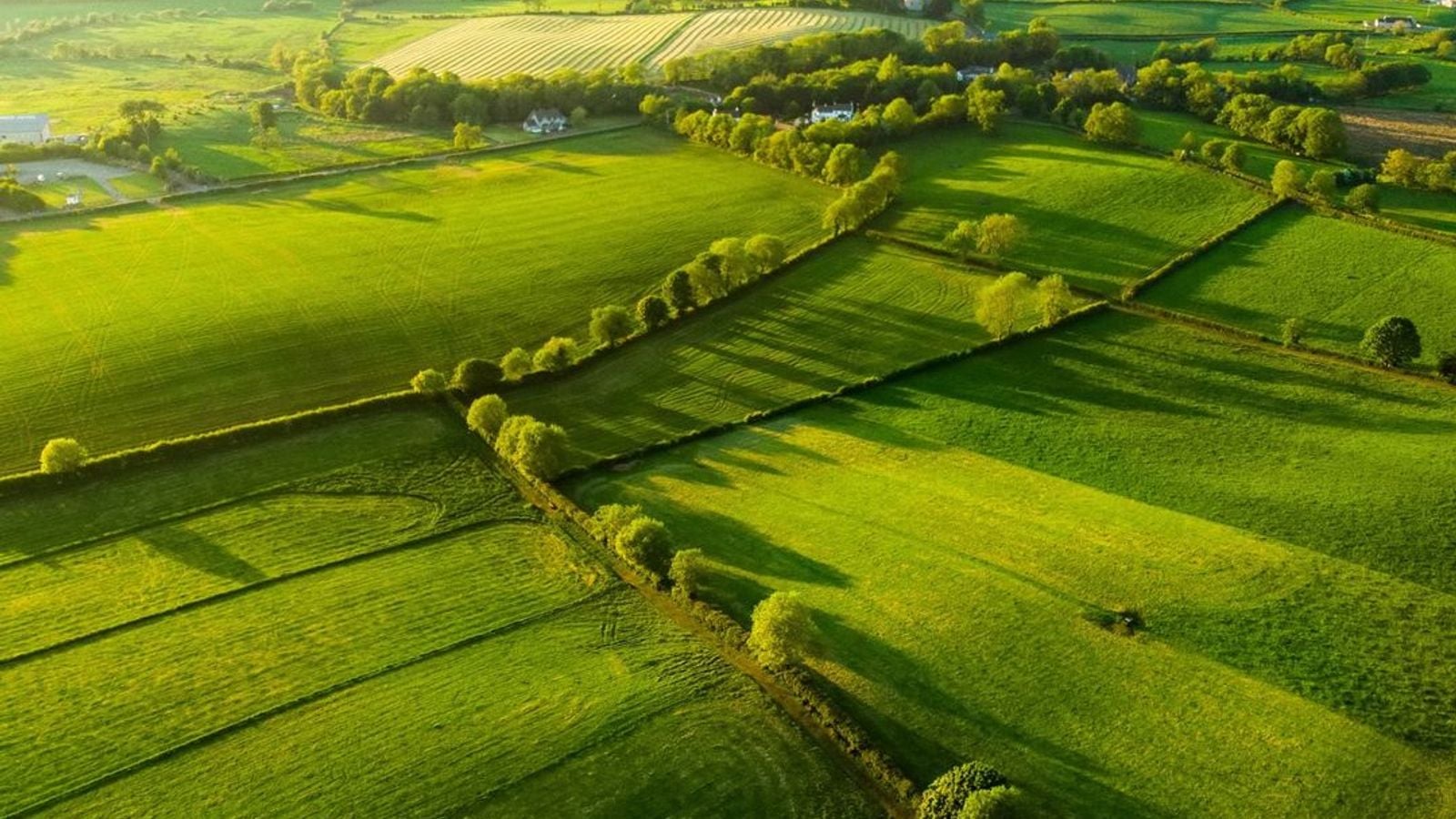
Ireland’s countryside still looks much as it did in meitheal days — the same patchwork of small fields, the same hedgerows marking the edges of generations of family land. When you look out across those fields, you’re seeing the landscape that once required dozens of hands to tend. You’re seeing the Irish countryside as it was meant to be: something that belonged to everyone who worked it together.
☘️ You Might Also Love
Tours & experiences you might love


Powered by Viator. Some links are affiliate links — we may earn a small commission at no extra cost to you.
Secure Your Dream Irish Experience Before It’s Gone!
Planning a trip to Ireland? Don’t let sold-out tours or packed attractions spoil your journey. Iconic experiences like visiting the Cliffs of Moher, exploring the Rock of Cashel, or enjoying a guided walk through Ireland’s ancient past often sell out quickly—especially during peak travel seasons.

Booking in advance guarantees your place and ensures you can fully immerse yourself in the rich culture and breathtaking scenery without stress or disappointment. You’ll also free up time to explore Ireland’s hidden gems and savour those authentic moments that make your trip truly special.
Make the most of your journey—start planning today and secure those must-do experiences before they’re gone!