

There are bakes that are fine, bakes that are good, and then there are bakes that make an entire kitchen fall silent the moment they come out of the oven. Chocolate brioche twists fall firmly in that last category. Buttery, golden, and absolutely loaded with swirls of rich chocolate filling, they are the kind of thing you’d expect to see behind the glass counter of a French pâtisserie — and yet, with the right guidance, they are entirely achievable at home on a Sunday morning.
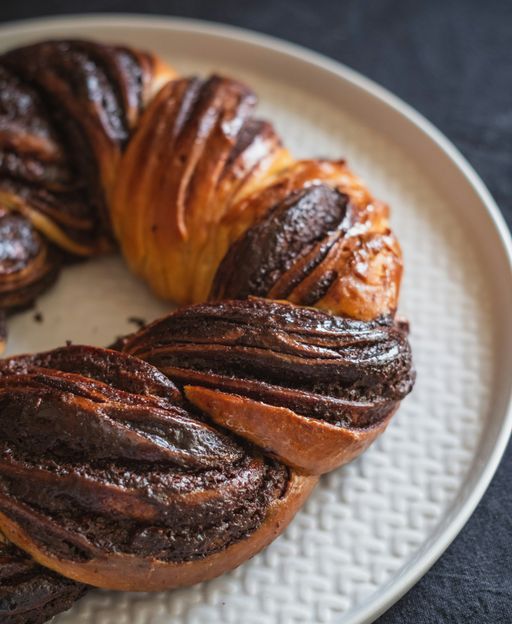
Chris from The Irish Baker Abroad has become something of a legend when it comes to enriched doughs — the kind of baker who genuinely understands what makes bread feel special. His chocolate brioche twists are a masterclass in technique and simplicity: a classic enriched dough, a deeply flavoured chocolate butter paste, and a shaping method that produces bakery-worthy results every single time. If you’ve been intimidated by brioche before, this recipe will change that.
What Makes Brioche Different?
Brioche is an enriched dough, which means it contains fat — in this case, generous quantities of butter and egg — worked directly into the flour and yeast mixture. The result is a bread that sits somewhere between a soft white loaf and a tender cake: it has structure enough to hold a filling, yet melts on the tongue with a pillowy richness that plain bread simply cannot match. The French have been making brioche for centuries, but Chris gives it an Irish twist by treating it as an accessible everyday bake, not a grand production reserved for special occasions.
The key difference between brioche and a standard bread dough is the method of incorporating the butter. Rather than mixing fat in at the beginning, you knead the dough first to develop the gluten network, then gradually add the softened butter piece by piece. This technique — called the French butter incorporation method — sounds fussy but is actually straightforward once you understand why you’re doing it. The gluten strands, already formed and strong, can absorb the fat without collapsing. The result is a dough that is elastic, smooth, and capable of holding the intricate twists and folds that give this recipe its drama.
The Chocolate Filling: Simple but Exceptional
The chocolate filling in this recipe is beautifully uncomplicated. You are simply combining very soft butter, brown sugar, cocoa powder, and chocolate chips — nothing that requires a bain-marie or tempering. The brown sugar adds a gentle molasses depth that elevates the chocolate beyond the ordinary, while the cocoa powder provides the richness. When this paste is spread across the rolled-out brioche dough and then folded and twisted, it creates swirls of chocolate throughout every layer. As the twists bake, those pockets of filling partially melt into the dough, creating veins of fudgy, caramelised chocolate that make each bite genuinely extraordinary.
Dark chocolate chips are Chris’s preferred choice, and they make the flavour more grown-up and complex, but milk chocolate chips work beautifully if you prefer something a little sweeter. You could even use a combination of both.
Chocolate Brioche Twists Recipe
Ingredients
For the Brioche Dough
- 350g strong white bread flour
- 50g caster sugar
- 7g instant yeast (1 sachet)
- 5g salt
- 100ml whole milk, lukewarm
- 2 medium eggs, at room temperature
- 100g unsalted butter, softened to room temperature
For the Chocolate Filling
- 75g unsalted butter, very soft
- 50g brown sugar (light or dark)
- 15g cocoa powder
- 100g chocolate chips (dark or milk)
To Finish
- 1 egg beaten with a splash of milk, for egg wash
- Optional: equal parts sugar and boiling water, for a sugar syrup glaze
Method
Step 1: Make the Dough
In a large mixing bowl or stand mixer, combine the flour, caster sugar, yeast, and salt. Add the lukewarm milk and both eggs. Mix until a rough dough comes together — use a dough hook on your stand mixer or start with a wooden spoon before transitioning to your hands.
Step 2: Add the Butter
Begin adding the softened butter, a little at a time, kneading it in thoroughly before adding the next piece. This takes patience. Continue kneading for around 8 to 10 minutes until the dough becomes smooth and elastic and begins to pull away cleanly from the sides of the bowl. At first, the dough will feel impossibly sticky — this is entirely normal with brioche. Do not add extra flour. Trust the process and keep kneading.
Step 3: First Rise
Transfer the dough to a lightly greased bowl and cover with cling film or a damp tea towel. Leave in a warm place to rise for 1 to 2 hours, until doubled in size.
Step 4: Make the Filling
While the dough rises, beat together the very soft butter, brown sugar, and cocoa powder until they form a smooth, spreadable paste. Set aside.
Step 5: Shape the Twists
Turn the risen dough out onto a lightly floured surface and knock it back to deflate it. Roll into a large rectangle — approximately 40cm x 30cm. Spread the chocolate paste evenly across the entire surface, then scatter the chocolate chips over the top. Fold the dough in thirds, as if folding a letter: bring one long edge into the centre, then fold the other long edge over the top. Use a sharp knife or pizza cutter to slice the dough into 8 to 10 even strips across the fold.
Step 6: Twist and Shape
Take each strip and twist it several times along its length, then coil it into a round knot or bun shape, tucking the ends underneath. Place each twist onto a baking tray lined with parchment paper, leaving a generous space between them to allow for the final rise.
Step 7: Second Rise
Cover the tray loosely with cling film or a clean tea towel and leave the twists to rise for a further 45 to 60 minutes, until they look noticeably puffier and feel light to the touch.
Step 8: Bake
Preheat your oven to 180°C (350°F, Gas Mark 4). Brush each twist gently with the egg wash, then slide them into the oven. Bake for 15 to 20 minutes until deep golden brown and fragrant.
Step 9: Glaze (Optional but Recommended)
The moment the twists come out of the oven, brush them with a simple sugar syrup made by dissolving equal parts sugar and boiling water. This step is optional, but it gives the twists a gorgeous, professional shine and a delicate sweetness on the crust that makes all the difference.
Chris’s Tips for Perfect Brioche Every Time
A few pieces of advice that Chris emphasises will make the difference between a decent bake and a truly brilliant one:
- Butter temperature is everything. The butter for the dough must be genuinely soft — not melted, not cold from the fridge, but soft enough to press with your finger and leave an indent. If the butter is too cold, it will break the gluten strands rather than incorporating smoothly.
- Do not add extra flour. Brioche dough is supposed to be sticky, particularly before the butter is fully incorporated. Adding flour to combat the stickiness will give you a heavy, dense result rather than a light, pillowy one. The dough will come together — just keep kneading.
- Use the windowpane test. When you think the dough is kneaded enough, stretch a small piece between your fingers. If it stretches thin enough to see light through without tearing, you’re ready. If it tears immediately, knead for a few minutes more.
- Refrigerate if needed. If the dough feels very difficult to handle or shape — often because the kitchen is warm and the butter is softening further — pop it in the fridge for 30 minutes after the first rise. The cold will firm up the butter and make shaping considerably easier.
- Don’t rush the rises. Brioche is a slow dough. A longer, cooler rise produces better flavour than a short, hot one. If you’re working ahead, you can even leave the dough to rise overnight in the fridge after the first rise, then shape and bake the next morning.
Watch Chris Make the Recipe
There is no substitute for seeing the technique in action. Watching Chris demonstrate the butter incorporation and the shaping method makes the whole process feel genuinely achievable. Have a look at the video below before you start:
☘️ You Might Also Love
☘️ Join 65,000+ Ireland Lovers
Every Friday, get Ireland’s hidden gems, local secrets, and travel inspiration — the kind you won’t find in any guidebook.
Already subscribed? Download your free Ireland guide (PDF)
Love more? Join 43,000 Scotland lovers → · Join 30,000 Italy lovers → · Join 7,000 France lovers →
Free forever · · Unsubscribe anytime
Serving Suggestions and Variations
These chocolate brioche twists are best eaten slightly warm, when the chocolate filling is still a little soft and the dough is at its most tender. They pair beautifully with a strong cup of tea — the bitterness of a good Irish breakfast blend cuts through the richness in exactly the right way. For something more indulgent, a pot of good cream or a scattering of icing sugar works wonderfully.
If you enjoy working with enriched doughs, Chris has a wonderful recipe for small batch cinnamon rolls that uses a similar technique. For those who love chocolate in their baking, his Guinness and Baileys chocolate cake is an Irish classic that has become one of the most shared recipes on the site. And if you’re looking for something a little lighter, his traditional Irish scones are always a reliable weekend bake.
You might also like to try Chris’s lemon drizzle cake — a beautifully simple bake that demonstrates the same principle of doing something classic exceptionally well. And for a truly comforting weekend treat, his classic bread and butter pudding is impossible to resist.
Frequently Asked Questions
Can I make the brioche dough ahead of time?
Yes, absolutely. After the first rise, you can wrap the dough tightly in cling film and refrigerate it for up to 24 hours. The cold temperature will slow the yeast significantly without stopping it entirely. When you’re ready to bake, take the dough from the fridge, shape the twists, and allow them to come back to room temperature and complete their second rise before baking — this may take a little longer than the usual 45 to 60 minutes.
What type of chocolate works best in the filling?
Chris recommends dark chocolate chips for a richer, more complex flavour — something in the 50–70% cocoa range. Milk chocolate chips produce a sweeter, more crowd-pleasing result that is particularly popular with younger bakers. White chocolate chips are also an interesting variation if you want something more delicate and unusual. Whatever you choose, the quality of the chocolate will be the most important factor: better chocolate means a noticeably better bake.
My dough is very sticky. Have I done something wrong?
Almost certainly not. Brioche dough is genuinely much stickier than standard bread dough, particularly at the stage when you’re incorporating the butter. This is not a sign that something has gone wrong — it is simply the nature of a high-fat, high-egg dough. The solution is always to keep kneading. As the gluten develops and the butter emulsifies into the dough, it will become noticeably smoother and more manageable. If you find it completely unworkable, a 20-minute rest in the fridge will help firm it up without stopping the process.
How should I store leftover chocolate brioche twists?
Keep any leftover twists in an airtight container at room temperature for up to two days — brioche stales faster than plain bread because of its high fat content. To refresh them, place them in a low oven (around 150°C) for 5 minutes, which will restore much of their original softness and make the chocolate filling slightly molten again. They can also be frozen, well wrapped, for up to a month; simply defrost at room temperature and warm gently before eating.
Every week, Chris from The Irish Baker Abroad proves that exceptional baking does not require a professional kitchen — it requires good ingredients, a little patience, and a willingness to understand why a technique works rather than simply following it blindly. These chocolate brioche twists are a perfect example of that philosophy in action: a recipe built on classical principles, made approachable by someone who genuinely loves to share the craft of baking. Give them a go this weekend, and we’d bet they become a permanent part of your baking repertoire.
Tours & experiences you might love


Powered by Viator. Some links are affiliate links — we may earn a small commission at no extra cost to you.
Secure Your Dream Irish Experience Before It’s Gone!
Planning a trip to Ireland? Don’t let sold-out tours or packed attractions spoil your journey. Iconic experiences like visiting the Cliffs of Moher, exploring the Rock of Cashel, or enjoying a guided walk through Ireland’s ancient past often sell out quickly—especially during peak travel seasons.

Booking in advance guarantees your place and ensures you can fully immerse yourself in the rich culture and breathtaking scenery without stress or disappointment. You’ll also free up time to explore Ireland’s hidden gems and savour those authentic moments that make your trip truly special.
Make the most of your journey—start planning today and secure those must-do experiences before they’re gone!