

Irish surnames from Kildare carry the weight of ancient kingdoms and Norman lordships. County Kildare sits in the heart of the Irish Midlands. Its name comes from the Irish Cill Dara, meaning Church of the Oak. Saint Brigid founded her monastery here in the fifth century. The Curragh, a vast open plain, has been sacred ground for thousands of years. If your family name traces back to Kildare, your roots run very deep.
Free Irish ancestry tool ☘️
Have an Irish surname? Find your ancestral Irish county — we’ll trace your name to where the family originated, with a short note on its history.
Irish Surnames from Kildare: The Pale and the Plain
Kildare has always sat at a crossroads. The county bordered the English Pale — the area around Dublin under English control in the medieval period. This made it a place where Gaelic and Norman cultures met and mixed for centuries.
The FitzGerald family came with the Normans in 1169. They made Kildare their own. By the fifteenth century, they were the most powerful family in all of Ireland. The old Gaelic families of Kildare had held this land for centuries before them.
Surnames from Kildare reflect both worlds. You will find ancient Gaelic names with roots in Leinster’s royal families. You will also find Norman names carried by settlers who arrived eight hundred years ago and never left.
If you are tracing your roots, our guide to tracing your Irish ancestry covers every archive and database you need.
☘️ Your Irish family has a story waiting to be found.
Discover where your Irish ancestors came from — their county, their name, their story. Our free step-by-step guide walks you through every record, DNA tool, and ancestry archive. No experience needed.
FitzGerald: The Earls of Kildare
FitzGerald is the most powerful surname in County Kildare’s history. The name means “son of Gerald” in Norman French. The family came from Normandy with the Anglo-Norman invasion in the twelfth century. They settled in Kildare and built an extraordinary dynasty.
The FitzGeralds became Earls of Kildare in 1316. Within a century, they ruled most of Ireland. The eighth Earl, Geároíd Mór FitzGerald, served as Lord Deputy of Ireland for over thirty years. He was known as the Great Earl.
His power was so great that Henry VII once had him brought to London. A royal councillor said: “All Ireland cannot govern this man — so let this man govern all Ireland.” Henry restored him to power. The Great Earl died in 1513 as the most powerful man in Ireland.
His grandson, Silken Thomas, rebelled against Henry VIII in 1534. The rebellion failed. Henry had the FitzGerald men executed and ended the family’s grip on power. But the name survived. FitzGerald families spread across Ireland and into the diaspora. The name is still common in New York, Boston, and Chicago today.
Lawlor – Ó Leathlobhair: The Ancient Gaelic Lords
Lawlor is one of the oldest surnames in County Kildare. The Gaelic form is Ó Leathlobhair — descendant of Leathlobhar. It is a personal name from early Irish tradition.
The Lawlors were part of the ancient kingdom of Ossory. Their territory stretched across the Kildare and Laois borderlands. They were chiefs of their clan for many generations. Families from this line kept their identity through centuries of Norman pressure.
The name changed over time. Lawlor became Lawler in some areas. You will also find the spelling Looby in parts of Munster. All these forms trace back to the same ancient root.
Many Lawlor families left during the Great Famine of 1845 to 1852. They settled in America and Australia. The name is still common in County Kildare today.
Dempsey – Ó Díomásaigh: Lords of Clanmaliere
Dempsey is another proud Gaelic surname from Kildare. The Gaelic form is Ó Díomásaigh — descendant of Díomásach. The name means “proud one.” It was a personal name used in the early medieval period.
The Dempseys were lords of Clanmaliere. This was a territory along the Kildare and Offaly border. They held their lands for centuries before outside pressure began to erode their power.
Large numbers of Dempsey families left during the Famine. They settled heavily in Illinois and New York. Jack Dempsey, the world heavyweight boxing champion, was of Irish descent. His family came from the Kildare and Offaly borderlands.
☘️ Enjoying this? 64,000 Ireland lovers get stories like this every week. Subscribe free →
O’Toole – Ó Tuathail: The Gaelic Chiefs of South Kildare
O’Toole is one of the great Gaelic surnames of Leinster. The Gaelic form is Ó Tuathail — descendant of Tuathal. The name means “ruler of the people.” It was a royal name in ancient Ireland.
The O’Tooles were kings of Hy Muiriadhaigh. This kingdom covered much of County Kildare in the early medieval period. After the Norman invasion, they lost most of that territory. They moved east into the Wicklow Mountains.
The O’Tooles resisted Norman power for centuries. Their mountain stronghold made them hard to defeat. The name remains common across Kildare and Wicklow today.
Other Key Kildare Surnames
Byrne comes from the Gaelic Ó Broin — descendant of Bran. The Byrnes were a powerful Leinster family with strong roots in Kildare and Wicklow. Byrne is one of the most common surnames in Ireland today. Large numbers emigrated during the Famine and settled in the United States.
Nolan comes from the Gaelic Ó Nualláin — descendant of Nuallán. The Nolans were chiefs of Foharta, a territory on the Carlow and Kildare borderlands. The name is common across Leinster today.
Doyle comes from the Gaelic Ó Dubhghaill — descendant of Dubhghall. This name means “dark stranger.” It was first used for Viking settlers who married into Irish families. The Doyles became a strong Leinster family with deep Kildare roots.
Eustace is one of the main Anglo-Norman surnames in Kildare. The family came with the Norman invasion and settled in the county. They were lords of Baltinglass on the Kildare borderlands. The Eustace name is still found in County Kildare today.
Wogan is a Norman surname of Welsh origin. The family came from Pembrokeshire and arrived in Ireland after the Norman conquest. They settled in County Kildare. John Wogan served as Justiciar of Ireland in the early fourteenth century. It is a rare but historically significant Kildare name.
How Kildare Surnames Crossed the Atlantic
County Kildare sits close to Dublin port. This made emigration easier than in western counties. When the Great Famine struck in 1845, thousands of Kildare families left.
Most boarded ships in Dublin or Drogheda. They sailed to New York, Boston, or Philadelphia. FitzGerald, Lawlor, Dempsey, and O’Toole families all appear in early American census records.
Many Kildare families settled in New York and New Jersey. Others travelled west to Chicago and Illinois. The county lost a large share of its population in the decade after the Famine.
An earlier wave left after the Williamite Wars of the 1690s. Kildare Catholic families joined the Flight of the Wild Geese. FitzGerald officers served in the Irish brigades of France and Spain. Their descendants live across the world today.
Our Irish heritage trip planning guide explains how to visit your ancestral county in person.
How to Trace Your Kildare Ancestry
Kildare Heritage and Genealogy Centre
The Kildare Heritage and Genealogy Centre is based in Naas. The centre holds detailed records for County Kildare. Their database links to the national network at rootsireland.ie. It is the best starting point for anyone researching a Kildare family name.
Griffith’s Valuation and Census Records
Griffith’s Valuation listed every landholder in County Kildare in the 1850s. You can search it free at askaboutireland.ie. The 1901 and 1911 census returns are fully searchable at census.nationalarchives.ie. These two sources cover most Famine-era research for the county.
Registry of Deeds and Estate Papers
The Registry of Deeds in Dublin holds land transaction records from 1708 onwards. Many Kildare families — both Norman and Gaelic — appear in these records. FitzGerald estate papers are held in the National Archives and the National Library of Ireland. These records can trace your family back well beyond the civil registration period.
For a full step-by-step guide, see our guide to tracing your Irish ancestry.
Where to Visit in Kildare to Connect with Your Heritage
Saint Brigid’s Cathedral, Kildare. Saint Brigid founded her monastery here in the fifth century. She lit a sacred fire in this place that tradition says burned for a thousand years without going out. The cathedral stands on that ancient site today. Walking inside, you step into fifteen centuries of Irish faith. Her holy well sits nearby and still draws visitors who seek healing and connection.
Maynooth Castle. The FitzGeralds built Maynooth Castle as their chief stronghold. It became one of the most important castles in medieval Ireland. When Henry VIII’s forces took it in 1535, it marked the end of FitzGerald power. The ruins stand in the town of Maynooth today, open to visitors.
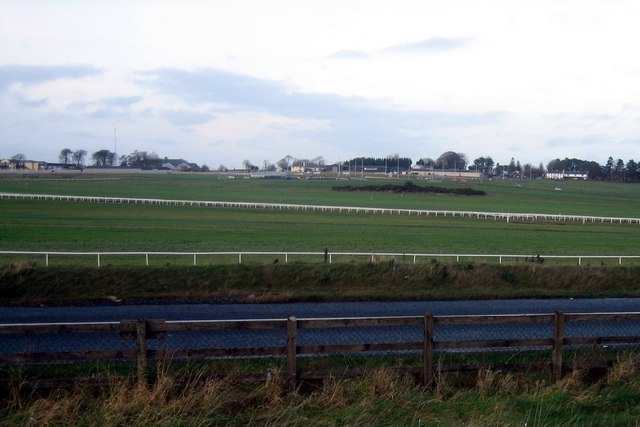
The Curragh. The Curragh is one of the oldest gathering places in Ireland. Ancient legend says the high kings of Leinster held assemblies on this plain. It has been sacred to Irish people for thousands of years. Walk its short grass and you walk land that shaped the province of Leinster.
Castletown House, Celbridge. Castletown is the largest Palladian country house in Ireland. It was built in the eighteenth century for William Conolly, Speaker of the Irish Parliament. Walking through its rooms, you feel the shift in power that followed the Williamite Wars. This is the world that replaced the old Gaelic and Norman order.
Our 7-day Irish ancestry itinerary gives a full framework for visiting heritage sites across Ireland. Our guide to Irish surnames from Wicklow covers the county to the east. Our guide to Irish surnames from Meath covers the county to the north.
Frequently Asked Questions About Kildare Surnames
What are the most common Irish surnames from County Kildare?
The most historically significant surnames from County Kildare include FitzGerald, Lawlor, Dempsey, O’Toole, Byrne, Nolan, and Doyle. FitzGerald was the dominant Norman family, holding the earldom of Kildare for over two centuries. The Gaelic families — Lawlor, Dempsey, and O’Toole — were ancient lords of the county before any Norman arrived.
What does the name FitzGerald mean in Irish history?
FitzGerald is a Norman surname meaning “son of Gerald.” The family came to Ireland in the twelfth century and rose to become the most powerful family in the country. The FitzGeralds served as Earls of Kildare and as Lord Deputies of Ireland. Their power ended with the Silken Thomas rebellion of 1534. The name remains common across Ireland and in the Irish-American diaspora today.
Who were the Dempseys of County Kildare?
The Dempseys, or Ó Díomásaigh in Gaelic, were lords of Clanmaliere. This was a territory on the Kildare and Offaly border. Their name means “proud one.” They were a powerful Gaelic family who held their lands through the medieval period. Dempsey families emigrated in large numbers during the Famine and settled across the United States.
Where can I trace my County Kildare ancestry?
Start with the Kildare Heritage and Genealogy Centre in Naas, which links to rootsireland.ie. Use askaboutireland.ie for Griffith’s Valuation from the 1850s. Search the 1901 and 1911 census at census.nationalarchives.ie. For Norman surnames like FitzGerald and Eustace, check the Registry of Deeds and estate papers at the National Archives of Ireland in Dublin.
Did Kildare families emigrate to America?
Yes, large numbers of Kildare families emigrated to America during the nineteenth century. The Great Famine of 1845 to 1852 drove the biggest wave. Most left through Dublin port and sailed to New York and Boston. FitzGerald, Lawlor, Dempsey, and Byrne families appear in early American records. An earlier wave left after the Williamite Wars of the 1690s, joining the Irish Brigade in France and Spain.
Your Kildare Roots Are Waiting
County Kildare has been at the heart of Irish history for fifteen centuries. Saint Brigid chose this place for her monastery. The FitzGeralds built their power here. The ancient Gaelic families of Lawlor, Dempsey, and O’Toole held this land for generations before any Norman ever arrived.
If your surname is FitzGerald, Lawlor, Dempsey, O’Toole, or Byrne, your family was part of that story. Stand at Maynooth Castle and you stand where the great earls once ruled. Walk to Saint Brigid’s well and you touch fifteen hundred years of Irish faith.
That name is yours now. Follow it home.
Explore more of our Irish surnames series — covering Cork, Galway, Kerry, Dublin, Clare, Mayo, Donegal, Tipperary, Limerick, Waterford, Wexford, Kilkenny, Sligo, Roscommon, Antrim, Down, Tyrone, Derry, Armagh, Fermanagh, Cavan, Monaghan, Leitrim, Longford, Westmeath, Offaly, Laois, Carlow, Wicklow, Meath, Louth and more.
☘️ Join 64,000+ Ireland Lovers
Every Friday, get Ireland’s hidden gems, local secrets, and travel inspiration — the kind you won’t find in any guidebook.
Subscribe free — enter your email:
Already subscribed?
Thinking about it seriously?
If you’ve started actually planning a move, our complete the full Move to Ireland guide walks through every step, every cost, and the paperwork that catches most people out.
Get the free guide
Enter your email and we will send you straight to the download.
📲 Know someone who’d love this? Share on WhatsApp →
Love more? Join 43,000 Scotland lovers → · Join 29,000 Italy lovers → · Join 7,000 France lovers →
Free forever · One email per week · Unsubscribe anytime
Tours & experiences you might love


Powered by Viator. Some links are affiliate links — we may earn a small commission at no extra cost to you.
Secure Your Dream Irish Experience Before It’s Gone!
Planning a trip to Ireland? Don’t let sold-out tours or packed attractions spoil your journey. Iconic experiences like visiting the Cliffs of Moher, exploring the Rock of Cashel, or enjoying a guided walk through Ireland’s ancient past often sell out quickly—especially during peak travel seasons.

Booking in advance guarantees your place and ensures you can fully immerse yourself in the rich culture and breathtaking scenery without stress or disappointment. You’ll also free up time to explore Ireland’s hidden gems and savour those authentic moments that make your trip truly special.
Make the most of your journey—start planning today and secure those must-do experiences before they’re gone!
Subscribe Free