

Ireland’s greatest legends are full of warriors. They fight for honour, for clan, for the love of a woman. They leap over armies and ride into battle singing. These stories feel like pure fantasy.
But behind every warrior legend, there is history. Real clans. Real battles. Real traditions that shaped how Irish families lived for thousands of years.
If you carry an Irish surname, there is a good chance a warrior family stands somewhere in your family tree.
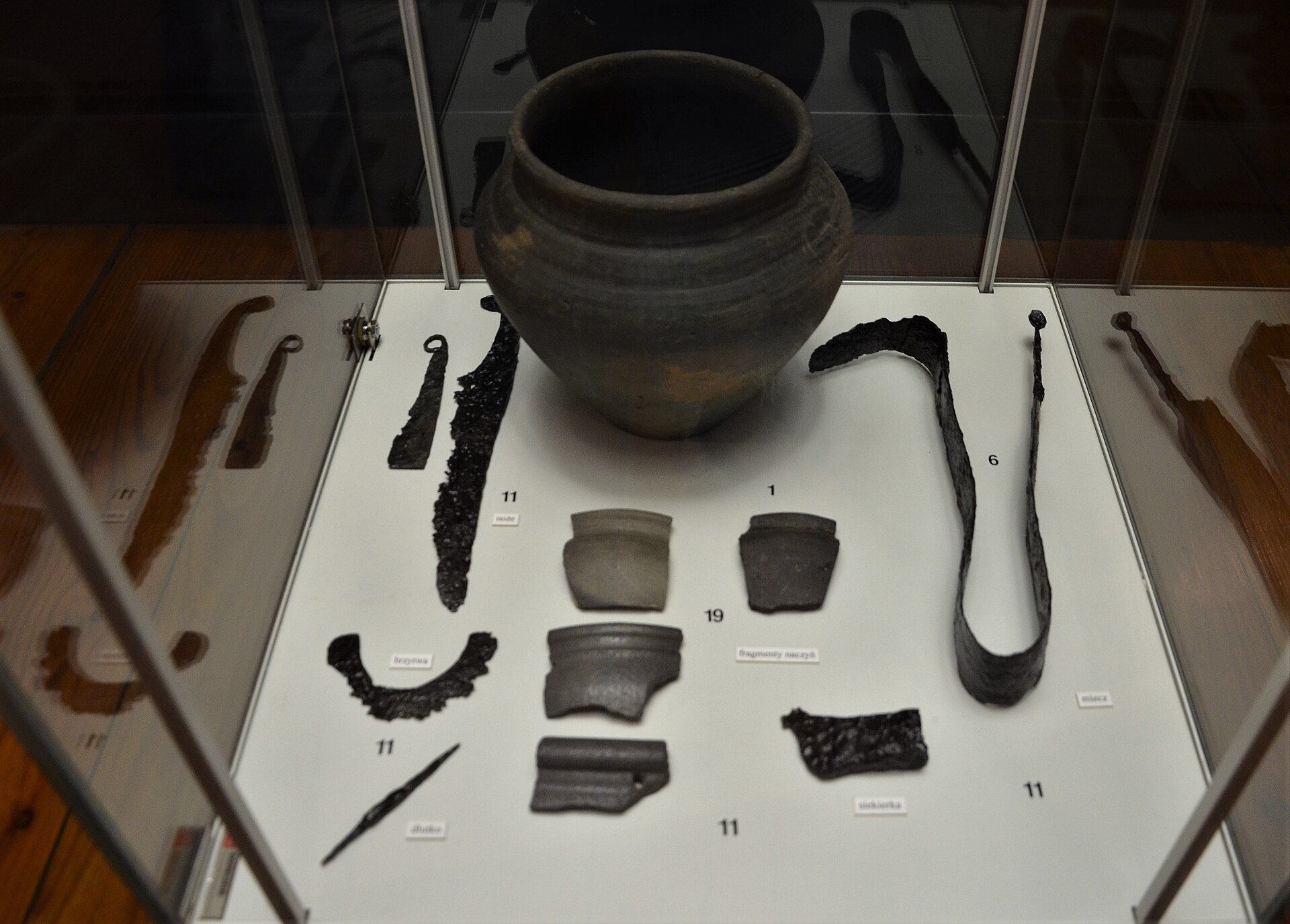
Ireland’s Iron Age Celtic Warriors
Celtic culture came to Ireland during the Iron Age. Historians place the arrival of La Tène Celtic culture in Ireland around 300 BC. Iron Age warriors worked iron into weapons. They built hillforts. They raided neighbouring territories. They kept cattle as wealth and fought to defend it.
Ancient writers described Celtic warriors across Europe. The Greek historian Diodorus Siculus wrote that before battle, Celtic warriors challenged their finest opponents to single combat. They boasted of their ancestors’ deeds. They fought with long swords and decorated shields. They wore torcs — twisted metal neck rings — as marks of warrior status.
Ireland inherited this tradition. The hillforts you can still walk today were defended positions of warrior kings. The Hill of Tara in County Meath stood at the centre of that world. It was the seat of the High Kings. To become High King, you had to prove you were the greatest warrior on the island.
If your family name connects to Meath, you may have roots close to that ancient seat of power. Our guide to Irish surnames from Meath covers the families who built their identity in the shadow of Tara.
The Fianna — Fionn Mac Cumhaill’s Elite Warriors
Irish mythology tells of a warrior band unlike any other. The Fianna were hunters, fighters, and protectors of the High King. They lived outside ordinary society. They trained constantly. And to join them, you had to pass tests most men could not survive.
The tests were remarkable. A candidate had to memorise twelve books of Irish poetry. He had to stand in a pit, buried to his waist, and defend himself against nine warriors with only a shield. He had to run through a thick forest without breaking a single branch underfoot. He had to leap over a branch level with his head — and duck under one no higher than his knee — while running at speed.
Those who passed joined the most celebrated warrior band in Irish legend. Our deeper look at why Ireland’s warriors were required to be poets explores this tradition further.
Their leader was Fionn Mac Cumhaill — known in English as Finn McCool. His stronghold stood at Almhain, the Hill of Allen in County Kildare. The stories of Fionn and his warriors make up the Fenian Cycle, one of the four great cycles of Irish mythology. Families across Leinster traced their pride to the Fianna. The tales of Fionn were stories told in their households for generations.
What the Fianna Tell Us About Irish Values
The Fianna stories were not just entertainment. They taught values. Loyalty to your band. Courage in the face of danger. Skill earned through years of hard work. Generosity to those you protected.
These values ran through Irish clan life for centuries. They shaped how warriors saw themselves. They shaped how communities expected their defenders to behave. You can trace a line from the Fianna legends to the warrior culture of the great Irish clans many centuries later.
The Red Branch Warriors of Ulster
The second great warrior tradition in Irish mythology belongs to Ulster. The Red Branch warriors — Craobh Ruadh in Irish — were the fighting men of the Ulster kings. Their seat was Emain Macha, known today as Navan Fort near Armagh.
King Conchobar mac Nessa led them. But it was his nephew, Cu Chulainn, who became the most famous warrior in Irish mythology. Cu Chulainn defended Ulster alone when all other warriors lay under a sleeping curse. He held the kingdom’s borders through single combat, one fight at a time.
The Ulster Cycle tells these stories. The Tain Bo Cualinge — the Cattle Raid of Cooley — is its greatest text. Queen Medb of Connacht marches her armies east to steal a prize bull. Cu Chulainn stands in their way. It is one of the oldest epic narratives in European literature.
If your family came from Ulster — from counties Armagh, Antrim, Down, or Tyrone — the Red Branch warriors were the heroes of your ancestors’ world. Our guide to Irish surnames from Antrim covers the Ulster families who carried this tradition forward.
Navan Fort — A Real Place Behind the Legend
Emain Macha is not purely fiction. Navan Fort in County Armagh is a real prehistoric site. Archaeologists have excavated it. They found evidence of a large circular wooden structure, built and then deliberately burned around 95 BC. That act suggests a significant ritual — the end of something important.
The archaeology confirms that Navan Fort was a major ceremonial site during the period when the Red Branch stories took shape. Standing there today, you stand on ground that shaped Irish identity for over two thousand years.
☘️ Enjoying this? 64,000 Ireland lovers get stories like this every week. Subscribe free →
How Celtic Warriors of Ireland Actually Fought
The mythology brims with impossible feats. But Celtic warriors across Europe fought in ways classical writers described in detail. Ireland shared these traditions.
Single combat mattered deeply. Before a full battle, the champion of each side would fight one-on-one. Victory in single combat could decide the outcome without mass bloodshed. It was a point of honour. It separated warriors from ordinary soldiers.
Warriors shouted war cries before battle. They used chariots in the Iron Age. They carried long iron swords and wooden shields with iron bosses. Torcs around their necks marked them as men of status. These objects were not merely decorative. They were statements of identity and rank.
Ireland’s rivers and bogs have preserved evidence of this world. La Tène-style swords and spearheads have come from Irish riverbeds. The Loughnashade horn, found in County Armagh near Navan Fort, is a decorated Iron Age instrument. Warriors carried objects like this into ceremony and battle. You can see artefacts from this period at the National Museum of Ireland in Dublin, where entry is free.
The Warrior Clans and the Surnames They Left Behind
Ireland’s warrior tradition did not end with mythology. It passed into the great dynasties of the early medieval period. These clans built kingdoms through force of arms. Their names became the surnames that millions of people carry today.
The Ui Neill were Ulster’s great warrior kings. The name means “descendants of Niall.” Niall of the Nine Hostages was their legendary ancestor — a 5th-century High King famous for his raids into Britain and Europe. His descendants ruled Ulster and Meath for centuries. Their name survives as O’Neill, one of the most recognisable warrior surnames in the Irish diaspora.
The Dal gCais were Munster’s warrior family. Their greatest king was Brian Boru. In 1014, Brian won the Battle of Clontarf and broke the Viking grip on Ireland. He died that same day, killed in his tent after the fighting ended. His family name became O’Brien. Brian Boru’s homeland was in County Clare. His clan’s heartland stretched through Clare, Limerick, and Tipperary.
The Mac Murchada family ruled Leinster for generations. Diarmait Mac Murchada made the most contested decision in Irish history. In 1169, he invited Norman soldiers to Ireland to help him regain his throne. That invitation changed Ireland for ever. His bloodline lived on in Leinster as MacMurrough long after the Normans arrived.
The O’Donnells held Donegal. The O’Rourkes held Leitrim. The O’Connors ruled Connacht. Every province had its warrior dynasty. Every dynasty left its name behind. If you carry one of these surnames, your ancestors built and defended a kingdom.
Our guide to Irish surnames from Cork looks at the warrior families of Munster — the O’Sullivans, MacCarthys, and O’Driscolls who fought for the south of Ireland for centuries.
The Gallowglass — Warriors from Across the Water
From the 13th century, a new type of warrior appeared in Ireland. The Gallowglass — from the Irish galloglaigh, meaning “foreign warriors” — were professional soldiers from the Scottish islands. They came mainly from the Hebrides, where Norse and Gaelic traditions had mixed over generations.
Irish chieftains hired them as elite infantry. The Gallowglass carried swords and battle axes. They wore mail armour. They stood at the front of battle and held the line. They did not avoid close combat. That was their trade.
The most prominent Gallowglass families were MacDonnell, MacSweeney, and MacDugall. Many settled permanently. The MacSweeney family became lords in Donegal. Irish-American families with the surname Sweeney often descend from Gallowglass settlers who made Ireland their permanent home centuries ago.
Where to Walk in Warriors’ Footsteps Today
The Hill of Tara, County Meath. This is where the High Kings of Ireland held their court. Walk the ancient earthworks and stand where warriors once swore loyalty to their kings. The views across Meath stretch for miles. Our Meath heritage surnames guide gives context for the county’s warrior history.
Navan Fort, County Armagh. The real Emain Macha — seat of the legendary Red Branch warriors. The site is open to visitors with a heritage centre that brings the Ulster Cycle to life. It sits just outside Armagh city.
Rathcroghan, County Roscommon. The ancient seat of the Kings of Connacht. In mythology, this was home to Queen Medb. The site holds over 240 archaeological monuments. Few tourists visit it. Those who do find one of the most atmospheric places in Ireland.
The Hill of Allen, County Kildare. Fionn Mac Cumhaill’s legendary stronghold. It stands in the flat Kildare landscape, visible for miles. The connection to the Fianna runs deep in local memory.
The National Museum of Ireland, Dublin. The Kildare Street site holds Iron Age artefacts including the Broighter Gold hoard and La Tène-style weapons. Entry is free. This is the place to see what Celtic warriors actually carried.
Planning to visit these sites? Our 7-day Irish ancestry itinerary gives a framework for connecting heritage sites across Ireland in a single trip. Our heritage trip planning guide covers how to build a visit around your own ancestral county.
What the Warriors Left Behind
The last Gallowglass fought in the late 16th century. The great Gaelic dynasties fell during the Nine Years’ War (1593-1603). Hugh O’Neill and Red Hugh O’Donnell led the last major Gaelic resistance to English power. Their defeat at the Battle of Kinsale in 1601 ended the old warrior world.
But the surnames carried on. O’Neill, O’Brien, O’Donnell, MacSweeney — these names crossed the Atlantic in the 17th, 18th, and 19th centuries. Irish-American families with these names carry warrior dynasties in their blood, whether they know it or not.
If you want to know which clan your family belonged to — and which warrior tradition shaped their world — our step-by-step guide to tracing Irish ancestry lists every record and archive you need.
Frequently Asked Questions About Celtic Warriors in Ireland
Who were the Celtic warriors of Ireland?
Celtic warriors in Ireland included legendary bands like the Fianna and the Red Branch, and real warrior clans like the Ui Neill (O’Neill), Dal gCais (O’Brien), and Mac Murchada (MacMurrough). Each ruled a territory and kept a warrior class to defend and expand their lands. From the 13th century, the Gallowglass — professional soldiers from the Scottish islands — also played a major role in Irish warfare.
What was the Fianna in Irish mythology?
The Fianna were a legendary band of warrior hunters in Irish mythology. Led by Fionn Mac Cumhaill, they served as the standing army of the High King. Joining the Fianna required passing extraordinary tests: memorising twelve books of poetry, surviving combat while partially buried, and running through forests without disturbing a branch. Their stories form the Fenian Cycle, one of the four great cycles of Irish mythology.
Which modern Irish surnames come from warrior families?
Several common Irish surnames trace to warrior dynasties. O’Neill descends from the Ui Neill, the warrior kings of Ulster. O’Brien comes from the Dal gCais, the Munster clan of Brian Boru. O’Donnell were the warrior lords of Donegal. MacMurrough were the warrior kings of Leinster. MacSweeney and MacDonnell descend from Gallowglass families who settled in Ireland. If you carry any of these names, warrior heritage is part of your family story.
Where can I visit Celtic warrior heritage sites in Ireland?
The Hill of Tara in County Meath was the seat of the High Kings. Navan Fort near Armagh was the legendary home of the Red Branch warriors. Rathcroghan in County Roscommon was the seat of the Connacht kings. The Hill of Allen in County Kildare was Fionn Mac Cumhaill’s stronghold. The National Museum of Ireland in Dublin holds Iron Age artefacts including the Broighter Gold hoard.
Who were the Gallowglass warriors of Ireland?
The Gallowglass (from the Irish galloglaigh) were professional soldiers from the Scottish islands who served in Ireland from the 13th century. They came mainly from the Hebrides, where Norse and Gaelic traditions had mixed. Irish chieftains hired them as elite heavy infantry. The most prominent Gallowglass families — MacDonnell, MacSweeney, and MacDugall — eventually settled in Ireland permanently, and their descendants are part of the Irish diaspora today.
☘️ Join 64,000+ Ireland Lovers
Every Friday, get Ireland’s hidden gems, local secrets, and travel inspiration — the kind you won’t find in any guidebook.
Subscribe free — enter your email:
Already subscribed?
Thinking about it seriously?
If you’ve started actually planning a move, our complete the full Move to Ireland guide walks through every step, every cost, and the paperwork that catches most people out.
📲 Know someone who’d love this? Share on WhatsApp →
Love more? Join 43,000 Scotland lovers → · Join 29,000 Italy lovers → · Join 7,000 France lovers →
Free forever · One email per week · Unsubscribe anytime
Tours & experiences you might love


Powered by Viator. Some links are affiliate links — we may earn a small commission at no extra cost to you.
Secure Your Dream Irish Experience Before It’s Gone!
Planning a trip to Ireland? Don’t let sold-out tours or packed attractions spoil your journey. Iconic experiences like visiting the Cliffs of Moher, exploring the Rock of Cashel, or enjoying a guided walk through Ireland’s ancient past often sell out quickly—especially during peak travel seasons.

Booking in advance guarantees your place and ensures you can fully immerse yourself in the rich culture and breathtaking scenery without stress or disappointment. You’ll also free up time to explore Ireland’s hidden gems and savour those authentic moments that make your trip truly special.
Make the most of your journey—start planning today and secure those must-do experiences before they’re gone!
Subscribe Free