Skip to Content

Hidden Gems of Ireland: 7 Villages You’ll Want to Visit in 2026

Sharing is caring!

Hidden Gems of Ireland: 7 Villages You'll Want to Visit in 2025

Ireland’s charm isn’t just found in its famous landmarks like Dublin or the Cliffs of Moher. The real magic often lies in its quaint villages, where history, culture, and natural beauty come together. Here are seven hidden gems that should be on your travel list for 2025, along with unique experiences to make your visit unforgettable.

Why These Are the True Hidden Gems of Ireland

  • Smaller crowds
  • Strong local character
  • Deep historical roots
  • Ideal for self-drive routes
  • Authentic Irish atmosphere

These villages reward slower travellers who value culture over crowds.

Planning a Hidden Gems of Ireland Route

Embarking on a journey through Ireland’s lesser-known villages offers an intimate glimpse into the country’s rich heritage, landscape, and local life. To make the most of your trip, careful route planning is essential.

When deciding where to begin, your choice of airport largely depends on which part of Ireland’s hidden gems you wish to explore first. Dublin Airport, the country’s busiest international gateway, provides extensive flight options and is ideal for those focusing on the eastern cluster of villages like Carlingford and Inistioge. Shannon Airport, positioned on the west coast, serves as a convenient entry point for exploring the western cluster, including Adare, Kinvara, Cong, Dunfanaghy, and Ardmore, saving significant driving time if your itinerary is westward-focused.

The hidden gems naturally divide into two geographical clusters. The western cluster includes charming villages nestled along the rugged Atlantic coast and verdant countryside—places where traditional Irish culture thrives amid stunning natural backdrops. Conversely, the eastern cluster features villages closer to Dublin and the Irish Sea, where history and modernity intersect.

A thoughtfully designed loop of 4 to 6 days allows travelers to absorb the atmosphere without feeling rushed. For example, starting in Dublin, you might spend two days exploring the eastern villages before driving westward through the midlands to connect with the western cluster. Alternatively, beginning at Shannon enables a west-to-east route, gradually transitioning from Atlantic vistas to the more pastoral eastern landscapes. This circuit approach ensures a balanced itinerary, blending coastal charms with inland tranquility. For guidance on the best time to visit Ireland, planning around the shoulder seasons of spring and autumn is advisable. Car hire is highly recommended for this journey, as public transport to these smaller villages can be limited.

Hidden Gems Route Snapshot

Village County Ideal Stay Best For
Adare Limerick 1 Night Thatched charm
Kinvara Galway 1 Night Burren access
Carlingford Louth 1 Night Medieval history
Inistioge Kilkenny 1 Night River scenery
Dunfanaghy Donegal 1 Night Atlantic drama
Cong Mayo 1 Night Film & heritage
Ardmore Waterford 1 Night Coastal walks

1. Adare, County Limerick

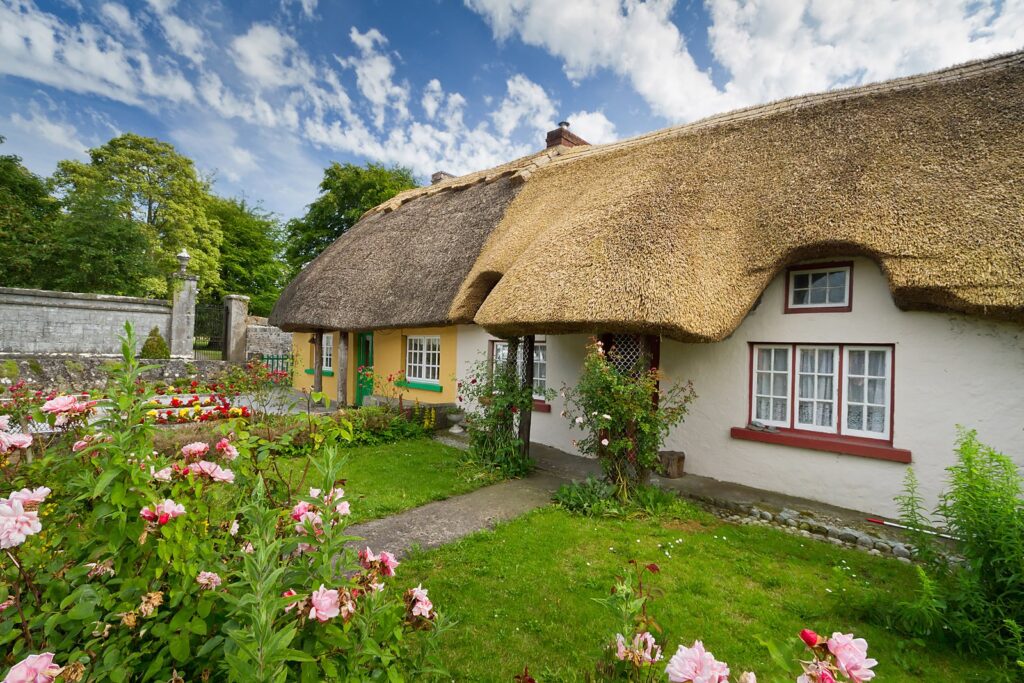
Known as one of Ireland’s prettiest villages, Adare delights visitors with its iconic thatched cottages and medieval ruins. Take a leisurely walk along the riverbank, explore Desmond Castle, or enjoy traditional Irish dishes in one of the cosy pubs. A walking tour in Adare offers a serene journey through one of Ireland’s most picturesque villages, where thatched cottages and historic abbeys speak to a rich past.

Best for: Thatched charm and leisurely village walks
Ideal stay length: 1 night
Why it feels different: Adare feels like a living postcard — manicured yet genuinely historic, without the crowds of larger towns.

Adare Village, County Limerick
Image: Shutterstock

2. Kinvara, County Galway

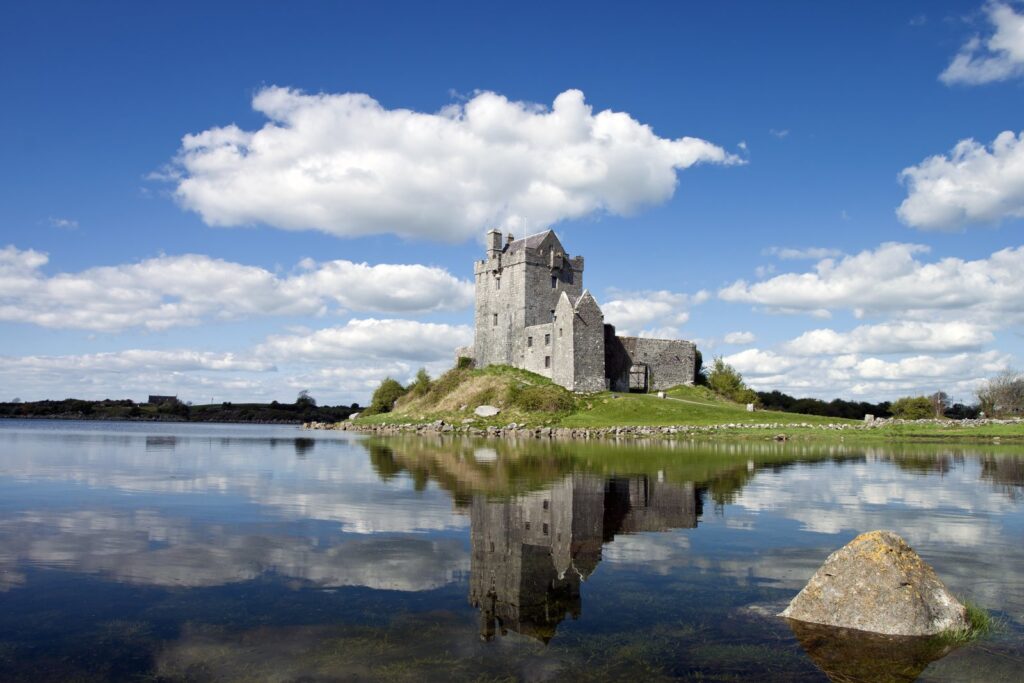
This vibrant coastal village is famous for its colourful harbour and lively traditional music scene. Kinvara serves as the gateway to the Burren, making it a great base for exploring the rugged beauty of western Ireland. Exploring the Cliffs of Moher and the Burren from Kinvara offers a thoughtful way to connect with Ireland’s rugged west coast while rooted in the village’s gentle, authentic rhythm. A Join our Love Ireland newsletter makes an excellent add-on for those wishing to explore the Burren in depth.

Best for: Burren access and traditional Irish atmosphere
Ideal stay length: 1 night
Why it feels different: Kinvara sits at the edge of the Burren with a working harbour — it is one of the few villages where ancient landscape and living culture meet seamlessly.

Kinvara Harbour, County Galway
Image: Shutterstock

3. Carlingford, County Louth

History & Identity

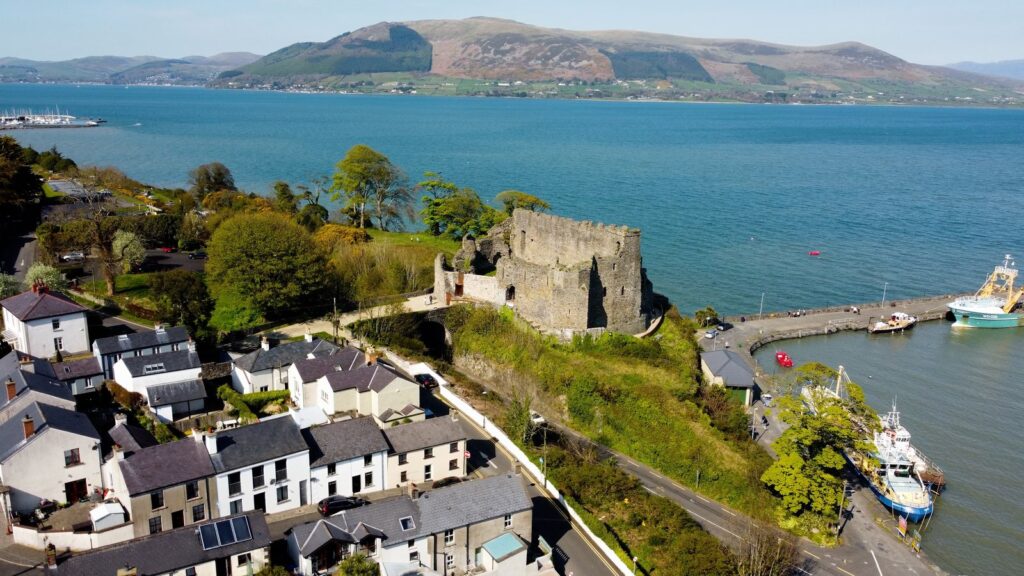
Nestled on the shores of Carlingford Lough in County Louth, Carlingford is a village where history breathes through narrow streets and ancient stone walls. Its medieval heritage is remarkably well-preserved, with imposing structures such as King John’s Castle standing as a testament to its strategic importance during the 12th and 13th centuries. The castle, alongside other medieval remnants like the Tholsel and the old Dominican Friary, paints a vivid picture of a bustling town that once thrived on trade and defense. Walking through Carlingford is like stepping back in time, where every corner reveals layers of history shaped by centuries of turbulent yet rich cultural exchange. To make the most of the town’s medieval heritage, consider booking a Join our Love Ireland newsletter with a local expert.

What To See & Do

Carlingford, nestled on the serene shores of Carlingford Lough in County Louth, offers a captivating blend of history, scenic beauty, and outdoor adventure. One of the town’s most prominent landmarks is Carlingford Castle, also known as King John’s Castle. This imposing medieval stronghold dates back to the early 13th century and provides visitors with a fascinating glimpse into Ireland’s Norman past. Beyond its historical allure, Carlingford is an ideal base for outdoor enthusiasts. The Carlingford Greenway, a recently developed walking and cycling trail, follows the coastline and offers stunning views of the lough and the Mourne Mountains across the border in Northern Ireland.

Local Character & Atmosphere

Carlingford, nestled on the rugged northeastern coast of Ireland in County Louth, exudes a distinctive charm that is both timeless and inviting. This small medieval town is characterized by its winding streets lined with centuries-old stone buildings, many of which have been lovingly preserved and still serve as homes, shops, and gathering places. The heart of Carlingford’s social life is undoubtedly its pubs, where locals and visitors alike gather to enjoy a pint, share stories, and listen to traditional Irish music. Our guide to Irish pub etiquette is well worth reading before you visit.

Best for: Medieval history and lively pub culture
Ideal stay length: 1 night
Why it feels different: Carlingford packs centuries of Norman, Viking, and Irish history into a compact, walkable town that still buzzes with local life.

Carlingford Village, County Louth
Image: Shutterstock

4. Inistioge, County Kilkenny

History & Identity

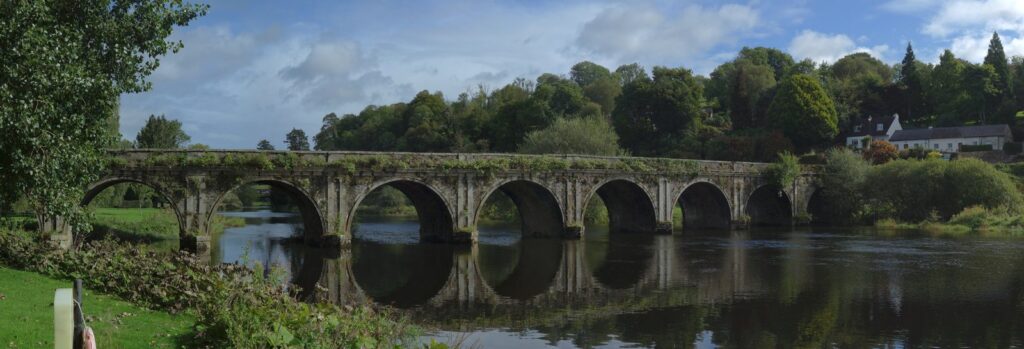
Nestled along the banks of the River Nore, Inistioge in County Kilkenny is a village that effortlessly weaves together a rich tapestry of history and natural beauty. Its picturesque setting is defined by charming stone bridges, quaint streets, and a backdrop of rolling hills, offering a serene escape that feels both timeless and intimately connected to the Irish countryside. The village’s layout and architecture reflect centuries of development, inviting visitors to explore its quiet corners where history quietly whispers.

What To See & Do

Inistioge, a charming village nestled along the banks of the River Nore in County Kilkenny, offers visitors a blend of natural beauty, historical intrigue, and tranquil rural life. One of the village’s standout attractions is the Woodstock Estate, an impressive 18th-century country house set within picturesque parklands. The River Nore, which meanders gracefully through Inistioge, provides a scenic backdrop for a variety of outdoor activities.

Local Character & Atmosphere

Nestled along the banks of the River Nore in County Kilkenny, Inistioge exudes a quiet charm that feels both timeless and inviting. This small village is characterized by its tranquil beauty—a gentle blend of verdant countryside, meandering river paths, and well-preserved historic architecture. The pace of life here is unhurried, offering visitors a peaceful retreat where the rhythm is set by nature and the changing seasons rather than the bustle of modernity.

Best for: River scenery and quiet countryside walks
Ideal stay length: 1 night
Why it feels different: Inistioge is one of Ireland’s least-visited villages, offering a genuine sense of stepping off the tourist trail entirely.

Inistioge Village, County Kilkenny
Image: Shutterstock

5. Dunfanaghy, County Donegal

History & Identity

Dunfanaghy, or Dún Fionnachaidh (Fort of the Fair-Haired Warrior), has a history deeply connected to its dramatic coastal landscape. Once a bustling fishing port and commercial hub, the village’s identity is shaped by the wild Atlantic. The establishment of a workhouse in 1845 during the Great Famine left an indelible mark on the community, and today the restored Workhouse building serves as a heritage center, telling the stories of those who lived and struggled here. This history, combined with its past as a market town, gives Dunfanaghy a resilient and layered character, where tales of maritime trade and survival are etched into the very fabric of the village.

What To See & Do

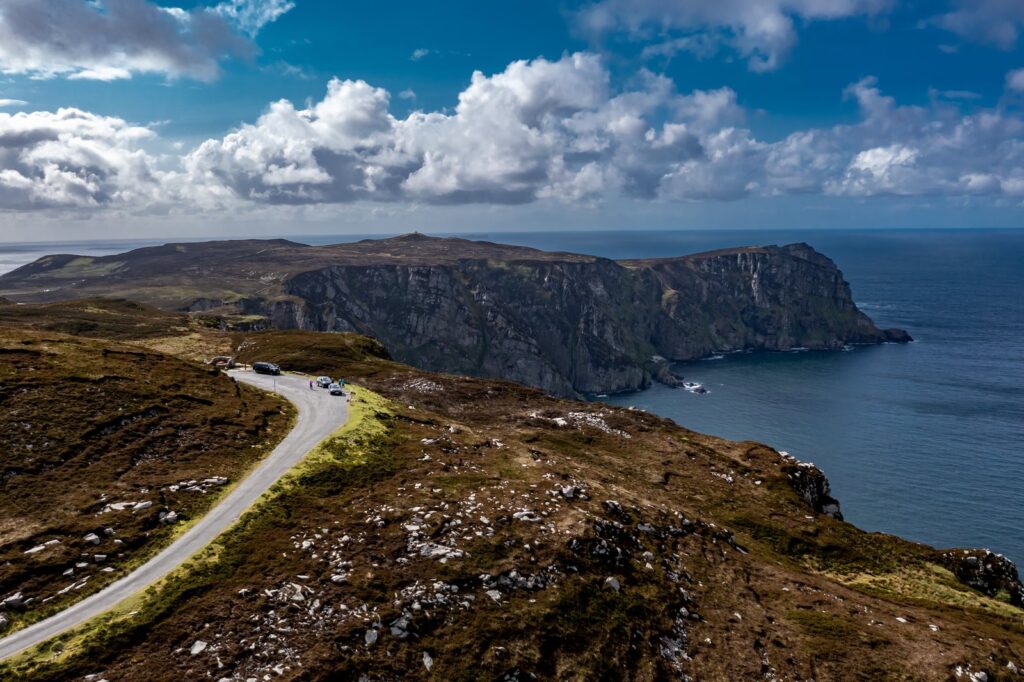
Dunfanaghy is a haven for outdoor enthusiasts and those seeking raw, natural beauty. A walk along the golden sands of Killahoey Beach, which curves around the bay, is a must-do. For more dramatic scenery, the Horn Head loop offers breathtaking coastal views from its rugged cliffs. The Workhouse – Donegal Famine Heritage Centre provides a poignant look into the area’s past. For a more relaxed afternoon, Muck ‘n’ Muffins is a local favorite for tea and a treat, while the Whiskey Fly Bar in Arnolds Hotel is a great spot to soak in the local atmosphere.

Local Character & Atmosphere

The atmosphere in Dunfanaghy is a unique blend of laid-back coastal charm and vibrant energy. The village is a popular holiday destination for Irish families, which gives it a lively, friendly buzz, especially in the summer months. The locals are known for their warm hospitality, and there’s a strong sense of community that’s palpable in the shops, pubs, and cafes. Patsy Dan’s pub is a particular highlight, known for its traditional music sessions and welcoming spirit. This combination of stunning scenery, rich history, and a lively social scene makes Dunfanaghy a truly special place.

Best for: Atlantic drama and wild coastal landscapes
Ideal stay length: 1–2 nights
Why it feels different: Dunfanaghy combines some of Ireland’s most dramatic scenery with a warm, creative community that makes visitors feel genuinely welcome.

Dunfanaghy, County Donegal
Image: Shutterstock

6. Cong, County Mayo

History & Identity

Nestled between the serene waters of Lough Corrib and Lough Mask, Cong in County Mayo offers a remarkable blend of natural beauty and rich history. This charming village is perhaps best known for the ruins of Cong Abbey, a monastic site dating back to the 7th century. The abbey’s impressive stone arches and cloisters stand as a testament to Ireland’s early Christian heritage, inviting visitors to reflect on centuries of spiritual and cultural life. Cong’s unique identity is further shaped by its connection to the iconic 1952 film, The Quiet Man, which immortalized the village’s quaint streets and rustic charm.

What To See & Do

One of its most iconic landmarks is Ashford Castle, a grand 13th-century fortress turned luxury hotel that invites visitors to step back in time. Just a short stroll from Ashford Castle, Cong Abbey stands as a testament to Ireland’s medieval past. For those drawn to the water, boat trips on Lough Corrib provide a tranquil way to experience the surrounding countryside.

Local Character & Atmosphere

Nestled on the border of Counties Mayo and Galway, Cong is a village that exudes a quiet, timeless charm. Its serene environment is defined by gently rolling countryside, shaded woodlands, and the tranquil waters of Lough Corrib and Lough Mask nearby. The traditional character of Cong is palpable in its narrow streets and stone-built structures, which have retained an authentic rural charm. The people of Cong are known for their genuine hospitality, embodying the friendly and welcoming spirit often associated with rural Ireland. For those wishing to experience the grandeur of the estate, a Join our Love Ireland newsletter offers a wonderful introduction to this remarkable corner of Mayo.

Best for: Film heritage and castle grandeur
Ideal stay length: 1 night
Why it feels different: Cong is where Irish mythology, cinematic history, and five-star hospitality converge in a village small enough to explore entirely on foot.

Cong Village, County Mayo
Image: Shutterstock

7. Ardmore, County Waterford

History & Identity

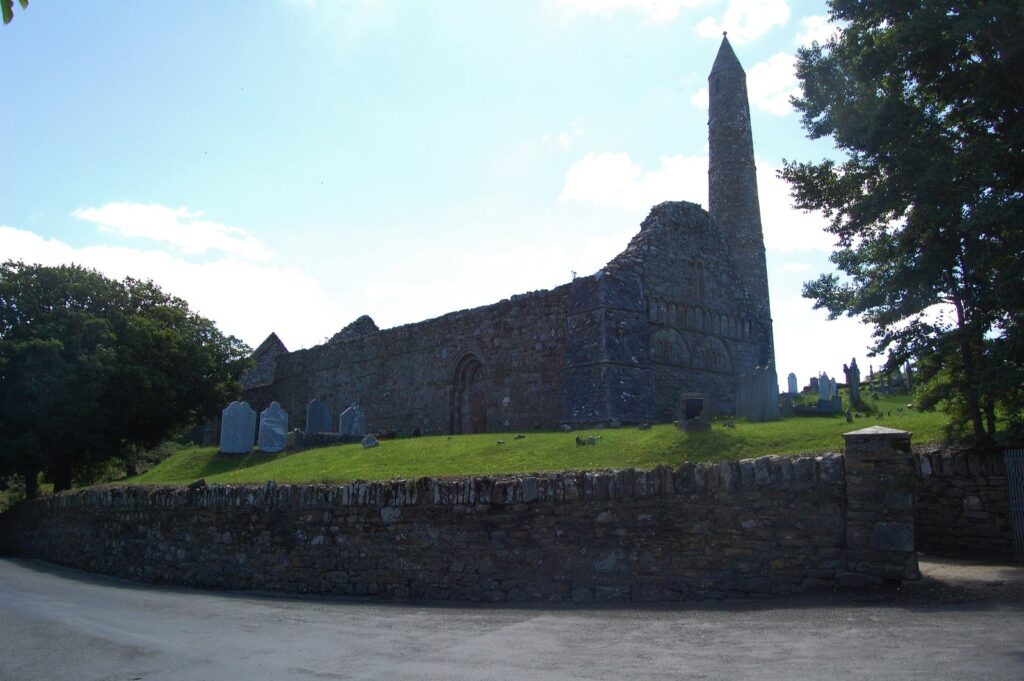
Ardmore, believed to be the oldest Christian settlement in Ireland, is a village steeped in history and spiritual significance. Founded by St. Declan in the 5th century, predating the arrival of St. Patrick, its monastic heritage is a cornerstone of its identity. The well-preserved 12th-century Round Tower, standing tall against the coastal sky, and the ruins of the ancient cathedral with its intricate stone carvings, are powerful symbols of Ardmore’s deep-rooted past. This rich history, combined with its stunning seaside location, gives Ardmore a unique and contemplative character.

What To See & Do

The Ardmore Cliff Walk is a must-do for any visitor, offering breathtaking views of the coastline and the opportunity to spot a variety of seabirds. The walk also takes you past St. Declan’s Well and Oratory, further connecting you to the village’s spiritual heritage. The Round Tower and Cathedral are essential stops for history buffs, offering a glimpse into Ireland’s early Christian and medieval past. For a family-friendly activity, the Ardmore Open Farm & Mini Zoo provides a fun and educational experience.

Local Character & Atmosphere

Ardmore has a tranquil and welcoming atmosphere, with a strong sense of community and a deep appreciation for its heritage. The village has a gentle pace of life, inviting visitors to slow down and soak in the natural beauty and historical significance of the area. The locals are friendly and proud of their village’s unique story, and the pubs and cafes offer a warm and inviting space to relax and enjoy the local hospitality. The combination of stunning coastal scenery, rich history, and a peaceful, friendly atmosphere makes Ardmore a truly special place to visit. A Join our Love Ireland newsletter is an excellent way to take in Ardmore alongside the wider scenery of this beautiful county.

Best for: Coastal walks and early Christian heritage
Ideal stay length: 1 night
Why it feels different: Ardmore is one of Ireland’s oldest Christian settlements, yet it remains refreshingly unhurried — a village that rewards those who slow down.

Ardmore, County Waterford
Image: Shutterstock

Hidden Gems of Ireland – Frequently Asked Questions

How many days do you need to visit Ireland’s hidden gems?

To visit all seven villages comfortably, allow at least seven to ten days. This gives you time to travel between locations without rushing and to spend at least one night in each village. If your time is limited, grouping the villages by region — western, eastern, and southern — allows you to plan a focused three or four-day circuit.

Are these villages accessible by public transport?

Most of these villages have limited or infrequent public transport connections. Kinvara and Carlingford have some bus links, but services can be sparse. For the majority of villages on this list — particularly Inistioge, Dunfanaghy, and Ardmore — hiring a car is strongly recommended. This also gives you the freedom to explore the surrounding countryside at your own pace.

Do hidden gems mean fewer tourists?

Generally, yes. These villages attract far fewer visitors than well-known destinations such as Killarney, Galway, or Dublin. That said, some — like Adare and Carlingford — are popular on summer weekends. Visiting in spring or autumn, or arriving mid-week, will give you the most authentic and peaceful experience.

Can you visit these villages without renting a car?

It is possible to visit some of these villages without a car, but it requires careful planning. Organised day tours from Galway, Dublin, or Cork can cover several of the villages on this list. However, for full flexibility — and to reach villages such as Inistioge and Dunfanaghy — car hire remains the most practical option. Our guide to driving in Ireland covers everything you need to know before you set off.

A Note on Northern Ireland

This guide centers on exploring the Republic of Ireland, with its rich landscapes and cultural heritage. Northern Ireland, just across the border, presents its own distinct history and scenic beauty, offering travelers additional opportunities for discovery.

Conclusion

Exploring Ireland’s hidden gems offers a more intimate and rewarding travel experience. These smaller villages are often bypassed by large coach tours, which allows them to retain their authentic character and unhurried pace of life. To truly appreciate their charm, consider a self-drive tour or a small-group excursion, which provides the flexibility to linger, explore, and connect with the local culture in a way that larger tours simply cannot. By embracing a slower pace of travel, you’ll discover the real magic of Ireland, tucked away in its quiet corners and welcoming communities. Ireland’s hidden gems of Ireland are waiting — and they are well worth seeking out.

Planning your visit to Ireland? Our Free Ireland Travel Planner 2026 has everything you need — week-by-week itineraries, must-see castles, hidden gems, and practical tips for every region.

64,000 Ireland lovers can’t be wrong.

Every week, our free newsletter delivers hidden gems, seasonal guides, local stories, and practical travel tips — straight to your inbox. Join the community that loves Ireland as much as you do.

FREE GUIDE: 25 Hidden Gems of Ireland That Most Tourists Never Find (PDF)

Subscribe Free — Get the Newsletter →

☘️ Want More Hidden Ireland?

Join 64,000+ subscribers who discover Ireland’s best-kept secrets every week.

Subscribe Free — Join the Community →

Free forever · Unsubscribe anytime · No spam

📥 Free Download: Ireland Travel Planning Guide

Our most popular resource — itineraries, insider tips, and the 50 places you must not miss.

Download Free PDF →

Secure Your Dream Irish Experience Before It’s Gone!

Planning a trip to Ireland? Don’t let sold-out tours or packed attractions spoil your journey. Iconic experiences like visiting the Cliffs of Moher, exploring the Rock of Cashel, or enjoying a guided walk through Ireland’s ancient past often sell out quickly—especially during peak travel seasons.

Booking in advance guarantees your place and ensures you can fully immerse yourself in the rich culture and breathtaking scenery without stress or disappointment. You’ll also free up time to explore Ireland’s hidden gems and savour those authentic moments that make your trip truly special.

Make the most of your journey—start planning today and secure those must-do experiences before they’re gone!

Sharing is caring!

John Wizzard

Monday 8th of December 2025

Kenmare was a thoroughly relaxing and enjoyable town to visit. Great food, scenery, pubs, and people.

John Wizzard

Monday 8th of December 2025

Kenmare was a relaxing and thoroughly enjoyable town to visit. Great scenery, pubs, and people.

jeff leonard

Wednesday 1st of October 2025

Why do most of the tour companies leave out these places? I would like to find a tour company that include these. Any recommendations?

Roisin FARRELL

Friday 19th of September 2025

There are beautiful villages in the North of Ireland as well and you haven't included any. Rostrevor in Co. Down which is actually just across Carlingford Lough from Carlingford.

DISCLAIMER

Last updated May 29, 2023


WEBSITE DISCLAIMER

The information provided by Love to Visit LLC ('we', 'us', or 'our') on https://lovetovisitireland.com (the 'Site') is for general informational purposes only. All information on the Site is provided in good faith, however we make no representation or warranty of any kind, express or implied, regarding the accuracy, adequacy, validity, reliability, availability, or completeness of any information on the Site. UNDER NO CIRCUMSTANCE SHALL WE HAVE ANY LIABILITY TO YOU FOR ANY LOSS OR DAMAGE OF ANY KIND INCURRED AS A RESULT OF THE USE OF THE SITE OR RELIANCE ON ANY INFORMATION PROVIDED ON THE SITE. YOUR USE OF THE SITE AND YOUR RELIANCE ON ANY INFORMATION ON THE SITE IS SOLELY AT YOUR OWN RISK.

EXTERNAL LINKS DISCLAIMER

The Site may contain (or you may be sent through the Site) links to other websites or content belonging to or originating from third parties or links to websites and features in banners or other advertising. Such external links are not investigated, monitored, or checked for accuracy, adequacy, validity, reliability, availability, or completeness by us. WE DO NOT WARRANT, ENDORSE, GUARANTEE, OR ASSUME RESPONSIBILITY FOR THE ACCURACY OR RELIABILITY OF ANY INFORMATION OFFERED BY THIRD-PARTY WEBSITES LINKED THROUGH THE SITE OR ANY WEBSITE OR FEATURE LINKED IN ANY BANNER OR OTHER ADVERTISING. WE WILL NOT BE A PARTY TO OR IN ANY WAY BE RESPONSIBLE FOR MONITORING ANY TRANSACTION BETWEEN YOU AND THIRD-PARTY PROVIDERS OF PRODUCTS OR SERVICES.

AFFILIATES DISCLAIMER

The Site may contain links to affiliate websites, and we receive an affiliate commission for any purchases made by you on the affiliate website using such links. Our affiliates include the following:
  • Viator

We are a participant in the Amazon Services LLC Associates Program, an affiliate advertising program designed to provide a means for us to earn advertising fees by linking to Amazon.com and affiliated websites.

This disclaimer was created using Termly's Disclaimer Generator.