

County Roscommon holds secrets that most visitors never find. It sits in the heart of Connacht, far from the tourist trail. The Irish surnames from Roscommon tell a powerful story. They trace to royal dynasties, ancient kingdoms, and one of Europe’s greatest unexcavated landscapes. McDermott ruled Moylurg for five centuries. O’Conor gave Ireland its last High King. Mulconry kept Irish history alive when the old order fell. If your family carries a Roscommon name, you are connected to something remarkable.
Try our free Irish ancestry tools ☘️
Have an Irish surname? Find your ancestral Irish county — type your surname and we’ll trace it back to the county where it originated, with a short note on the family’s history.
Curious about your first name in Irish too? Your Irish Name translates first names to their Gaelic equivalent — with the meaning and the pronunciation.
Irish Surnames from Roscommon: Ancient Connacht
Connacht was one of Ireland’s four ancient provinces. County Roscommon sat at its heart. Two great kingdoms shaped the county: Connacht, ruled by the O’Conors, and Moylurg, the sub-kingdom of the McDermotts.
Watch: Do You Qualify for an Irish Passport?
Tracing your Irish family? If one of your grandparents was born in Ireland, you may be able to become an Irish citizen. This 14-minute guide explains who qualifies, what it costs and how long it takes. Thinking of making the move? Get the free Moving to Ireland checklist.
Moylurg covered northern Roscommon and the plains around Boyle. The name comes from the Irish Magh Luirg an Dagda — “the plain of the tracks of the Dagda.” The Dagda was one of Ireland’s ancient gods. This land was sacred long before Christianity arrived.
The McDermotts ruled Moylurg from around 956 until 1585. That is over six hundred years of rule. Few families in Europe can match that. Beneath these great families, dozens of Gaelic surnames took root across Roscommon. Each one carries its own story.
If you are starting your heritage research, our guide to tracing your Irish ancestry covers every key database and archive from DNA testing to civil records.
McDermott – Mac Diarmada: Kings of Moylurg
No surname is more tied to County Roscommon than McDermott. The Gaelic form is Mac Diarmada — “son of Diarmait.” The personal name Diarmait comes from Old Irish. It means “freeman.”
The McDermotts were kings of Moylurg for centuries. Their stronghold was McDermott Castle. It sits on a small island in Lough Key, near Boyle. The castle ruins still stand there today.
Under McDermott patronage, Boyle Abbey was founded in 1161. This Cistercian monastery became the most important religious house in Connacht. The family supported scholars, poets, and monks for generations.
The Cromwellian plantations of the seventeenth century broke McDermott power. Many McDermotts emigrated to France and Spain. Others stayed and adapted. Today, McDermott is one of the most recognised surnames in the county.
O’Conor – Ó Conchobhair: Ireland’s Last Royal Family
The O’Conors are unique in Irish history. They were the royal family of Connacht. They also gave Ireland its last High King. Ruaidrí Ua Conchobhair — Rory O’Conor — held the title until the Norman invasion of 1169. He was the last man to hold that position.
The Gaelic form is Ó Conchobhair — “descendant of Conchobhar.” The personal name Conchobhar means “lover of hounds.” It was one of the most prestigious names in medieval Ireland.
The O’Conors split into several branches over the centuries. The O’Conor Don is the senior branch today. The family still lives at Clonalis House in Castlerea, County Roscommon. This is one of the few cases where a family of ancient royal descent still occupies their ancestral home.
If your surname is O’Conor, O’Connor, or Connor, a Roscommon branch may connect you to this royal line.
Flanagan, Kelly, and Beirne
Flanagan comes from the Gaelic Ó Flannagáin. It means “descendant of Flannagán.” The personal name comes from flann, meaning “red” or “ruddy.” The Flanagans were a Connacht sept with strong roots in Roscommon. They held territory in the county before and after the Norman period.
Kelly is Ó Ceallaigh in Gaelic. It means “descendant of Ceallach.” The personal name is linked to the word for “war” or “contention.” Kelly is now one of Ireland’s most common surnames. In Roscommon, the Kellys were part of the broad Connacht tradition.
Beirne is one of the most distinctive surnames in County Roscommon. The Gaelic form is Ó Beirne or Mac Biorna. The personal name Bjorn is Old Norse. It means “bear.” Viking settlers brought this name to the west coast of Ireland in the ninth century. The Beirnes became a Gaelic sept firmly rooted in Roscommon and neighbouring Leitrim.
☘️ Enjoying this? 64,000+ Ireland lovers get stories like this every week.
Thinking about it seriously? If you’ve started actually planning a move, our complete the full Move to Ireland guide walks through every step, every cost, and the paperwork that catches most people out.
Hanly, Dockery, and Lavin – Three Names That Belong to Roscommon
Some surnames are so closely tied to one county that finding them in records almost guarantees a Roscommon connection.
Hanly comes from the Gaelic Ó hAinle — “descendant of Ainle.” The name is concentrated in south Roscommon. Finding Hanly in your family tree points you directly to this area.
Dockery is the anglicised form of Ó Dochraidh. The Gaelic root docrach means “unfortunate” or “difficult.” The Dockerys were part of the Síol Muireadhaigh, the ancient tribal grouping of County Roscommon. The name remains rare outside the county today.
Lavin comes from Ó Láimhín, meaning “descendant of Láimhín.” It is almost entirely concentrated in County Roscommon. If Lavin appears in your family history, Roscommon is almost certainly where your roots lead.
The Mulconry Family – Ireland’s Most Famous Bardic Name
The Mulconrys held a unique position in Irish society. They were not warriors or kings. They were the poets and historians of the O’Conors, kings of Connacht.
The family name is Ó Maolchonaire in Gaelic. It means roughly “servant of the lord of the hounds.” They were based at Clonahee, near Strokestown in County Roscommon.
Their contribution to Irish literature is huge. Members of the family compiled the Annals of Connacht, covering the years 1224 to 1544. Fearfeasa Ó Maolchonaire was one of the Four Masters. These were the scholars who wrote the Annals of the Four Masters in the seventeenth century. This text remains one of the most important sources for early Irish history.
The name is now anglicised as Mulconry, Conry, or Conroy. A Conroy or Conry family from County Roscommon almost certainly descends from this bardic tradition. Our guide to Irish surnames from Waterford traces another branch of these ancient Connacht connections.
How Roscommon Surnames Crossed the Atlantic
County Roscommon suffered badly during the Great Famine of 1845 to 1852. One of the most documented emigration schemes took place at Strokestown Park. Landlord Denis Mahon organised an assisted emigration scheme in 1847. Over 1,490 of his tenants took passage to North America.
Many did not survive the voyage. The ships became known as coffin ships. Those who reached America settled in Boston, New York, and Philadelphia. They brought their Roscommon names with them.
If you carry a McDermott, Flanagan, Beirne, or Dockery name in America, your family may trace to this Famine exodus. Strokestown Park now houses the Irish National Famine Museum. Records there document the names and townlands of many who left. Our Irish surnames from Mayo guide covers similar patterns from the neighbouring county.
How to Trace Your Roscommon Ancestry
Roscommon has good genealogy resources for anyone starting a family search. These are the key sources to use.
Strokestown Park — Irish National Famine Museum
Strokestown Park holds original estate records from the Famine period. These include tenant lists with names and townlands. If your ancestor emigrated from Roscommon in 1847 or 1848, the records here may include them. Visit strokestownpark.ie for research enquiries.
County Roscommon Heritage Office
The County Roscommon Heritage Office in Roscommon town gives access to local records, maps, and documents. They can point researchers toward townland records and church archives across the county.
National Archives and Online Records
The National Archives in Dublin holds civil records from 1864, the 1901 and 1911 census returns, and Griffith’s Valuation from the 1850s. All records are free to search at census.nationalarchives.ie and irishgenealogy.ie. The rootsireland.ie database also holds church records for many County Roscommon parishes.
To turn your research into a real journey, our heritage trip planning guide covers how to find your ancestral townland and what to do once you get there. Our 7-day Irish ancestry itinerary gives a full framework for visiting heritage sites across Ireland.
Where to Visit in Roscommon to Connect with Your Heritage
Rathcroghan. This is one of the most extraordinary sites in Ireland. It is the ancient capital of Connacht. It covers six square kilometres with over 240 archaeological monuments. Sixty of those are protected national monuments. The site ranges from the Neolithic period through to the medieval era. The Irish government is seeking UNESCO World Heritage status for Rathcroghan. It is where the O’Conors and their ancestors held power for thousands of years.
McDermott Castle. The castle sits on a small island in Lough Key near Boyle. You can see it from the shore or by boat through Lough Key Forest Park. The ivy-covered ruins rising from the lake are one of the most striking images in Connacht. This was the stronghold of the family that ruled northern Roscommon for six centuries.
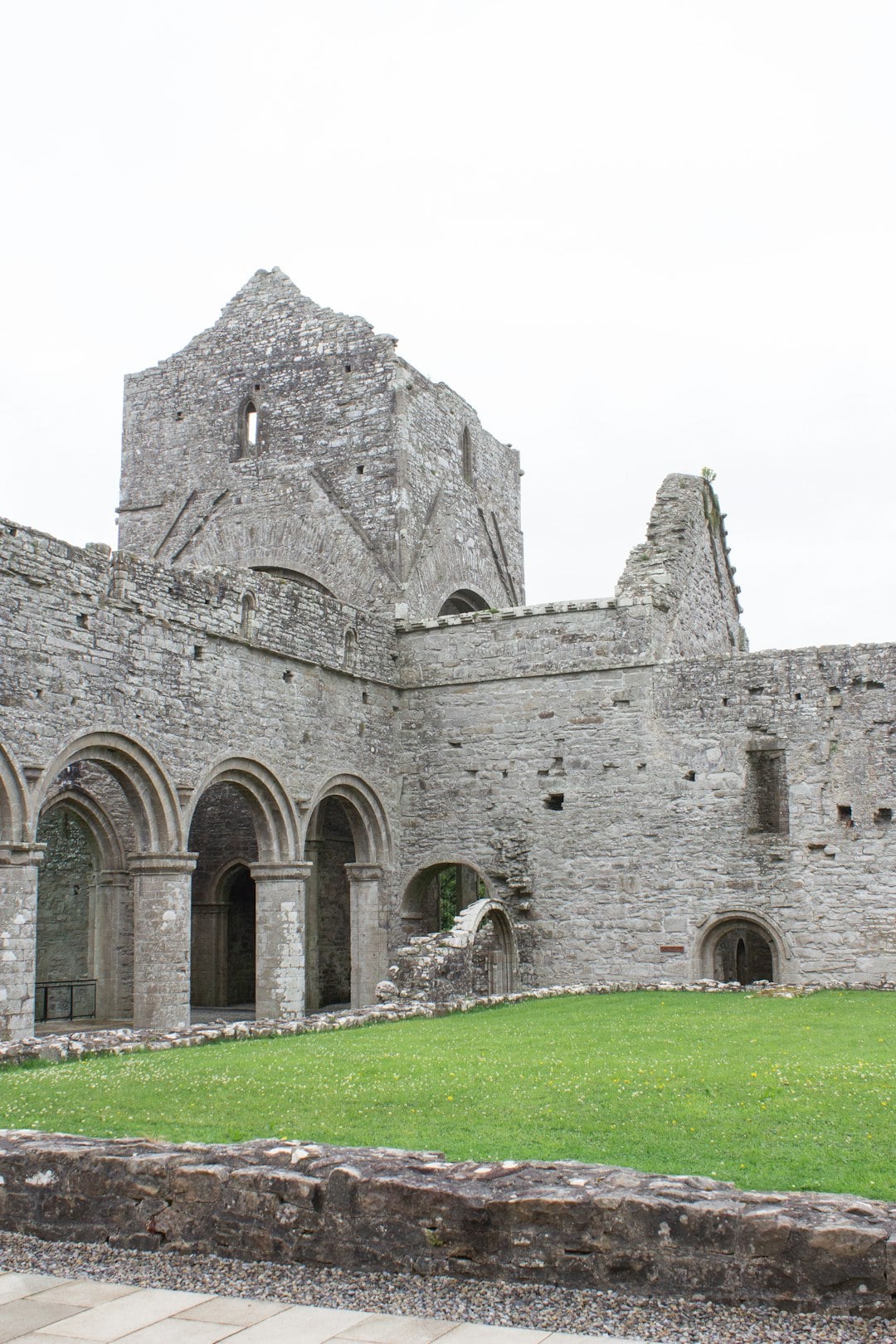
Boyle Abbey. Founded in 1161 under McDermott patronage, Boyle Abbey is one of the finest Cistercian ruins in Ireland. The medieval nave and stonework survive largely intact. The Office of Public Works manages entry and opens the site seasonally.
Clonalis House. This Victorian country house in Castlerea is still the home of the O’Conor Don. The house holds an archive of O’Conor family documents going back centuries. Tours are available. Check clonalis.com before visiting.
Strokestown Park House. The house and grounds contain the Irish National Famine Museum. The museum holds documents and records from the 1847 emigration scheme. For families tracing Famine-era roots from Roscommon, this is an essential stop.
Frequently Asked Questions About Roscommon Surnames
What are the most common Irish surnames from County Roscommon?
The most common surnames in County Roscommon include McDermott, Kelly, Flanagan, Beirne, Hanly, O’Conor, Murray, and Dockery. Of these, Beirne, Dockery, Hanly, and Lavin are most tied to Roscommon. They rarely appear in large numbers outside the county.
What does the McDermott name mean in Irish?
McDermott comes from the Gaelic Mac Diarmada — “son of Diarmait.” The personal name Diarmait means “freeman.” The McDermotts were kings of Moylurg, the sub-kingdom of northern County Roscommon, for over six centuries. Their castle on Lough Key remains one of the most photographed ruins in Connacht.
What is Clonalis House and why does it matter?
Clonalis House in Castlerea is the ancestral home of the O’Conor Don. This is the senior branch of the O’Conor family. They descend from the last High Kings of Ireland. The house holds family documents and archives spanning centuries. It is one of the few places in Ireland where a family of ancient royal descent still lives in their original home.
Where can I trace my County Roscommon ancestry?
Start with the Irish National Famine Museum at Strokestown Park for Famine-era records. Online, use the National Archives (census.nationalarchives.ie), irishgenealogy.ie, and rootsireland.ie. The County Roscommon Heritage Office can help with local archives and townland records.
Is the Beirne surname specifically from Roscommon?
Yes. Beirne is one of County Roscommon’s most localised surnames. The name comes from a Norse personal name — Bjorn, meaning “bear” — adopted into Irish Gaelic. The Beirne sept was rooted in Roscommon and neighbouring County Leitrim. If Beirne appears in your family history, a Roscommon or Leitrim connection is almost certain.
Your Roscommon Roots Are Waiting
County Roscommon is not on every tourist’s list. That is part of its power. It has not been polished for visitors the way more famous counties have. It remains raw and real.
Walk the plains of Rathcroghan and you walk where Ireland’s ancient kings were crowned. Look out across Lough Key to the island ruins of McDermott Castle. You see a stronghold that stood for six hundred years. Enter Clonalis House and you meet the descendants of Ireland’s last High Kings.
The surnames on this list are not just words. They connect you to the people who built this county. If your name is here, your family helped shape this place.
Explore more of our Irish surnames series — covering Cork, Galway, Kerry, Dublin, Clare, Mayo, Donegal, Tipperary, Limerick, Waterford, Wexford, and Kilkenny. Each county has its own story and its own surnames waiting to be reclaimed.
☘️ Join 64,000+ Ireland Lovers
Every Friday, get Ireland’s hidden gems, local secrets, and travel inspiration — the kind you won’t find in any guidebook.
Subscribe free — enter your email:
📲 Know someone who’d love this? Share on WhatsApp →
Free forever · · Unsubscribe anytime
Tours & experiences you might love


Powered by Viator. Some links are affiliate links — we may earn a small commission at no extra cost to you.
Secure Your Dream Irish Experience Before It’s Gone!
Planning a trip to Ireland? Don’t let sold-out tours or packed attractions spoil your journey. Iconic experiences like visiting the Cliffs of Moher, exploring the Rock of Cashel, or enjoying a guided walk through Ireland’s ancient past often sell out quickly—especially during peak travel seasons.

Booking in advance guarantees your place and ensures you can fully immerse yourself in the rich culture and breathtaking scenery without stress or disappointment. You’ll also free up time to explore Ireland’s hidden gems and savour those authentic moments that make your trip truly special.
Make the most of your journey—start planning today and secure those must-do experiences before they’re gone!
Subscribe Free