

If you have ever dreamed of celebrating St Patrick’s Day in Dublin, you are in good company. Every March, the Irish capital transforms into something extraordinary — the bridges lit green, music pouring from every doorway, and an atmosphere that no other city on earth can replicate. For American visitors with Irish roots, or simply for those who love Ireland deeply, this is the trip that tends to stay with people long after they have returned home. This guide covers everything you need to know to plan St Patrick’s Day in Dublin properly, from the ideal booking timeline to where to stand for the parade.
What St Patrick’s Day in Dublin Actually Looks Like
St Patrick’s Day is a national public holiday in Ireland, which means the whole country stops. Schools close, businesses shut, and the streets of Dublin fill with people from every part of the world alongside Dubliners themselves. The day centres on the St Patrick’s Festival, a multi-day programme of events that surrounds March 17 with concerts, spectaculars, céilí dances, outdoor performances, and cultural celebrations.
The atmosphere on March 17 in Dublin is unlike anything most American cities produce for the occasion. This is not about green beer or plastic shamrocks. It is a genuinely national celebration, a day when Irish people mark their culture, their identity, and their history with pride and warmth. If you have experienced St Patrick’s Day in New York, Boston, or Chicago, Dublin will feel like something else entirely — more rooted, more personal, and considerably more surprising.
The St Patrick’s Festival — More Than Just a Parade
The Grand Parade on March 17
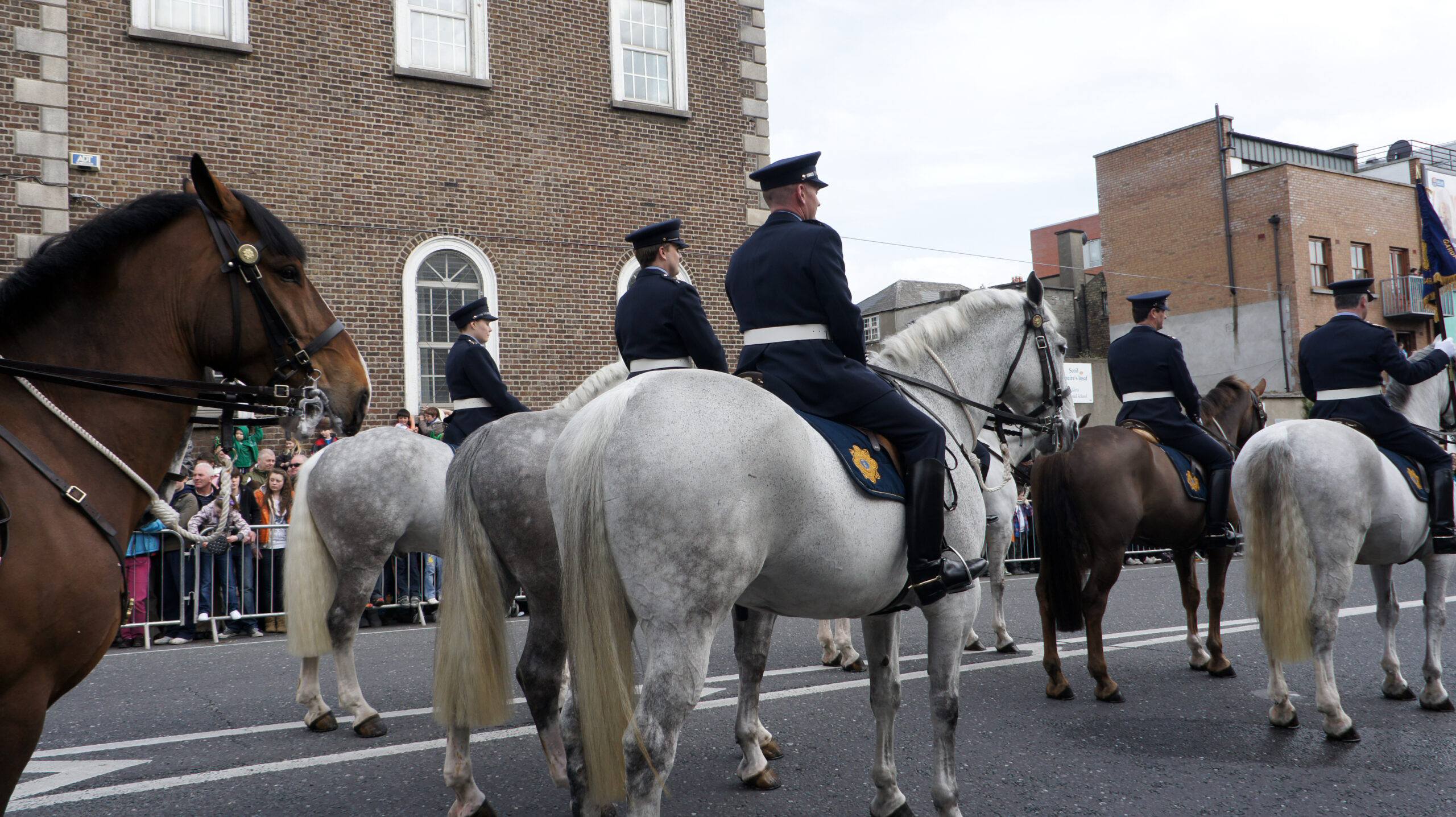
The parade on March 17 is the centrepiece of the festival and the event most American visitors come specifically to see. It winds through the heart of central Dublin, passing some of the city’s most familiar streets and landmarks. Colourful floats, marching bands from Ireland and abroad, community groups, dancers, and performers all take part. The parade is family-friendly, free to watch, and genuinely spectacular if you secure a good viewing position.
Getting that position requires arriving early. An hour before the parade begins — it typically starts around midday — is the minimum if you want to stand near the front of the crowd. The full route is published on the official St Patrick’s Festival website each year. The 2026 route starts on Granby Row, runs down O’Connell Street and over O’Connell Bridge, then continues through the south side of the city to finish at the Cuffe Street/Kevin Street junction — a route that takes roughly two hours to pass. The thickest crowds gather along O’Connell Street and around the bridge, so arriving early there matters most. If you are travelling with children or older relatives, choosing a spot near the start of the route tends to mean slightly thinner crowds than the more central sections.
Festival Events in the Days Around St Patrick’s Day
The St Patrick’s Festival typically spans several days, with the programme extending before and after March 17. In recent years it has included outdoor light spectaculars, céilí dances in public spaces, family events, music performances across the city’s venues, and cultural exhibitions. The full programme for each year is usually announced in the weeks before the festival — check the official St Patrick’s Festival website as your trip approaches for the current year’s schedule.
Many visitors to Dublin during the festival find that the days around March 17 are as rewarding as the day itself. The city has a different energy during festival week, and catching a smaller event or an outdoor performance can be more memorable than the main parade.
Planning Your Visit — The Booking Timeline
Accommodation: Book Early or Pay the Price
This is the section most American visitors underestimate. Dublin accommodation during St Patrick’s Festival week is among the most heavily demanded in the entire Irish calendar. Hotels in central Dublin, in particular, fill quickly — and prices reflect that demand. If you are planning to be in Dublin on March 17, you should be thinking about accommodation at least six months ahead, and booking the moment rooms become available.
If you are finding it difficult to secure a central Dublin hotel at a reasonable rate, there are alternatives. A hotel slightly outside the city centre with good tram or rail access can work well. Dublin’s Luas tram network, the DART coastal rail line, and Irish Rail’s commuter services all connect the suburbs to the city centre quickly and cheaply. Staying in areas like Dun Laoghaire on the coast (on the DART line) or Drumcondra to the north (served by Irish Rail commuter trains and city buses, not the DART) gives you an escape from the intensity of the city while keeping you within easy reach of the festival.
Getting to Dublin from the United States
Dublin Airport has direct transatlantic routes from a number of US gateway cities. Book early — fares rise as March approaches and availability on the most popular routes tightens considerably in the weeks before the festival. If you are flying in from the US East Coast, direct services to Dublin operate from several major airports. West Coast travellers typically connect through a hub. Our guide to the best time to visit Ireland from the USA covers the seasonal picture in more depth.
Where to Watch the St Patrick’s Day Parade in Dublin
The full parade route is published annually on the St Patrick’s Festival website, and it is worth checking in advance to identify your preferred viewing spot. A few things to know before you go:
- Arrive early. The crowds along the route are substantial, and the best spots go quickly. If you want to be at the front, arrive at least an hour before the parade begins.
- Dress warmly. March in Dublin is cold. Standing on a pavement for an hour or more without moving will make you feel the temperature. Layers are essential.
- Check the accessibility zones. The St Patrick’s Festival typically designates specific areas for visitors with mobility requirements. Check the official website for current arrangements.
- Consider a grandstand ticket. Ticketed grandstand seating along the route is available in most years — 2026 prices ranged from €125 to €160, with hospitality packages up to €280 — offering an elevated view and a guaranteed spot. These sell out well in advance — check the festival website early in the year.
Pubs on St Patrick’s Day — What to Know Before You Go
One of the most common mistakes among first-time visitors is heading straight to Temple Bar — Dublin’s most famous and most tourist-heavy district — to celebrate in a pub. On St Patrick’s Day, Temple Bar operates at a level of density that makes it difficult to enjoy. Queues are long, prices are elevated, and the atmosphere can feel more chaotic than festive.
Many Dubliners prefer to celebrate at their local neighbourhood pub rather than the city-centre tourist hotspots. Areas like Stoneybatter, Ranelagh, Portobello, and Phibsboro have a stronger local feel, with smaller pubs that fill up with regulars and genuine community spirit. These areas are a short walk or tram ride from the festival centre.
Wherever you choose to celebrate, bear in mind that pubs across Dublin fill rapidly from midday on March 17. Many operate door restrictions after a certain point. If a pub is your priority for the afternoon, it is worth claiming a spot before the parade ends.
Beyond Dublin — St Patrick’s Day Across Ireland
One thing many American visitors do not initially realise is that March 17 is celebrated throughout Ireland, not just in Dublin. Towns and villages across the country hold their own parades — typically smaller and more intimate than Dublin’s grand procession, but often warmer and more genuinely local in character.
If you prefer a celebration that feels rooted in community rather than spectacle, spending St Patrick’s Day in a small Irish town — Westport in County Mayo, Kilkenny in the south-east, Dingle in Kerry, or Clifden in Connemara — offers a completely different kind of experience. The parade might last twenty minutes and feature the local school band and a tractor with a St Patrick on it, and it might be the most charming thing you see all trip.
Many American visitors choose to split their time: arrive in Dublin for the main festival, then head out into the country for the rest of the week. Our 7-day Ireland itinerary from the USA has been built with exactly this kind of trip in mind — starting in the capital and working outward through the west and south.
What to Wear and What to Expect in March
March in Ireland is proper early spring — which means cold, with a real chance of rain on any given day. Daytime temperatures in Dublin typically sit between 7°C and 12°C (around 45°F to 54°F), and the weather can change quickly. Prepare for rain and be pleasantly surprised if it doesn’t come.
Practical packing advice for St Patrick’s Day in Dublin:
- Waterproof outer layer. A good rain jacket is non-negotiable. Keep a compact umbrella in your bag.
- Warm base layers. Standing still on a pavement in March is colder than it sounds.
- Comfortable, waterproof footwear. You will be on your feet for a long time and the pavements may be wet.
- Something green. It genuinely adds to the spirit of the day and you will not feel out of place. A green scarf or hat is enough.
The weather around St Patrick’s Day is unpredictable, but it rarely stops Dubliners. If you come prepared, it will not stop you either.
Planning Your Full Ireland Trip Around St Patrick’s Day in Dublin
St Patrick’s Day sits at the opening of spring, which makes it one of the finer times of year to travel in Ireland. The summer crowds have not yet arrived, the countryside is turning green again after winter, and the light in March has a softness to it that photographers love. Combining the festival with a longer journey through the country is something most visitors find they want to do again.
If you are planning to hire a car and explore beyond Dublin, our guide to renting a car in Ireland from the USA covers everything you need to know before you book — from automatic transmission availability to driving on the left. For those who want to add Northern Ireland and the Causeway Coast to the trip, our 10-day Ireland itinerary for American travellers builds in that northern arc.
Begin the planning process at our Ireland trip planning hub — it covers every stage of the process, from flights and accommodation to the best routes, the right season, and the experiences worth building your trip around.
Begin Planning Your St Patrick’s Day Trip to Dublin
St Patrick’s Day in Dublin is one of those experiences that changes how you think about Ireland. It is not just a party — it is a window into Irish culture, Irish identity, and the extraordinary warmth that Irish people bring to the things that matter to them. If this trip is on your list, start planning early. The accommodation fills first, and everything else falls into place once you have your base secured. Head to our Ireland trip planning hub to begin, and let the rest of the journey take shape from there.
Continue Planning
- St Patrick’s Day in Dublin: The Complete Guide for American Visitors
- The Secret Stone Altars Hidden Across Ireland That Kept a Faith Alive
- Why Ireland Built a Hundred Mysterious Towers — and Nobody Agrees on What They Were For
☘️ Want More Hidden Ireland?
Join 64,000+ subscribers who discover Ireland’s best-kept secrets every week.
Subscribe Free — Join the Community →
Free forever · Unsubscribe anytime · No spam
📥 Free Download: Ireland Travel Planning Guide
Our most popular resource — itineraries, insider tips, and the 50 places you must not miss.
Tours & experiences you might love


Powered by Viator. Some links are affiliate links — we may earn a small commission at no extra cost to you.
Secure Your Dream Irish Experience Before It’s Gone!
Planning a trip to Ireland? Don’t let sold-out tours or packed attractions spoil your journey. Iconic experiences like visiting the Cliffs of Moher, exploring the Rock of Cashel, or enjoying a guided walk through Ireland’s ancient past often sell out quickly—especially during peak travel seasons.

Booking in advance guarantees your place and ensures you can fully immerse yourself in the rich culture and breathtaking scenery without stress or disappointment. You’ll also free up time to explore Ireland’s hidden gems and savour those authentic moments that make your trip truly special.
Make the most of your journey—start planning today and secure those must-do experiences before they’re gone!