

There are grander instruments. More complex, more expensive, requiring years of study before they yield a single clean note. But pick up a tin whistle, press your fingers over six simple holes, and blow — and something extraordinary happens. You don’t just hear a sound. You hear Ireland.
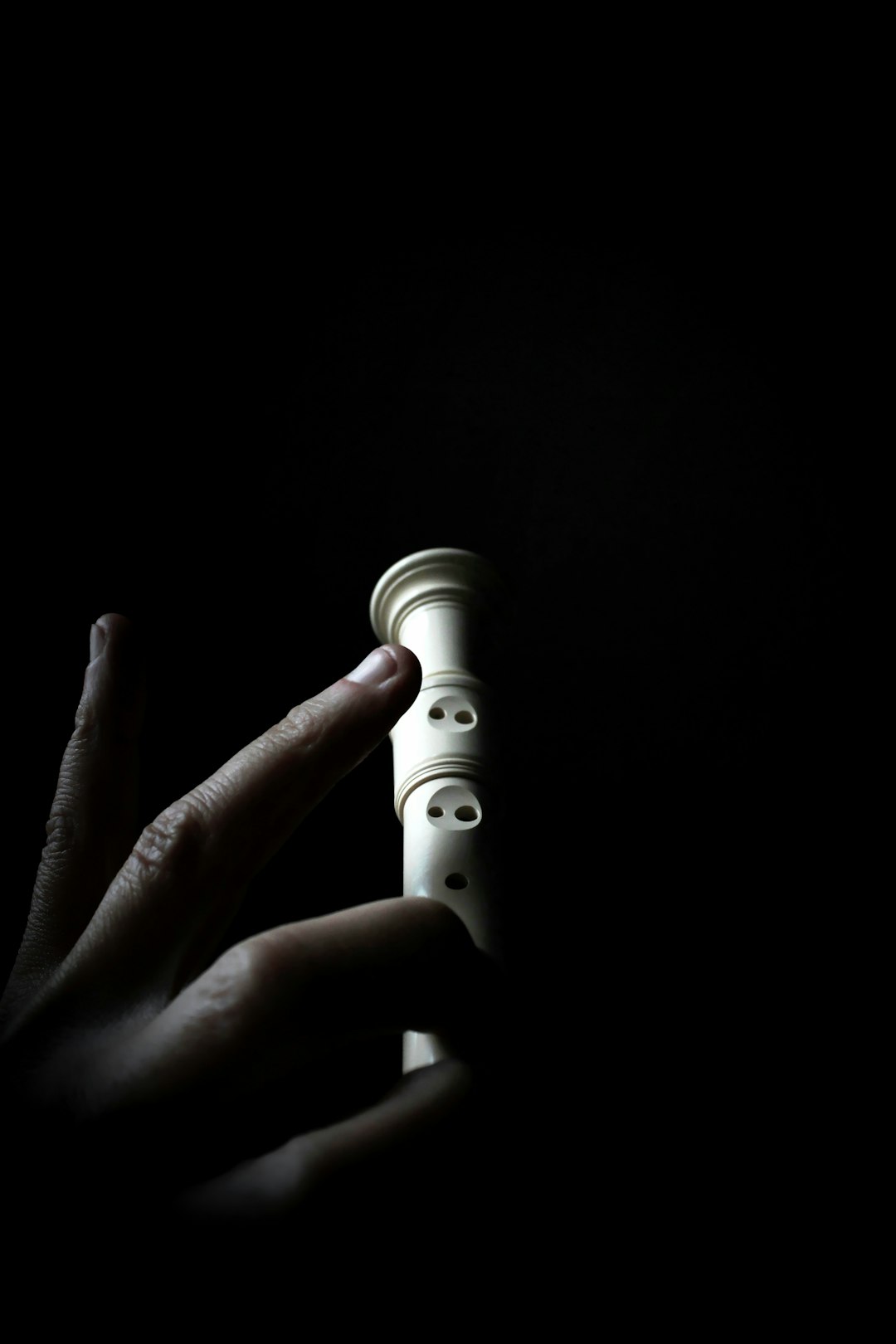
A Colonial Tool That Became a National Treasure
The penny whistle arrived in Ireland during the Victorian era — cheap to make, cheaper to buy. Manufactured in Birmingham and sold for a few pennies, it was never intended as a serious instrument. Nobody expected it to outlast an empire.
Yet by the late nineteenth century, the tin whistle had found its way into every parish hall, kitchen fireside, and street corner across the island. It cost almost nothing. It needed no teacher. And it could sing.
The British had inadvertently handed Ireland one of its most enduring cultural weapons. In a country where the native language was being suppressed and traditional music viewed with suspicion, the tin whistle asked for neither permission nor money.
Six Holes. Infinite Possibilities.
In Ireland, the tin whistle is often the first instrument a child picks up. Before the fiddle, before the uilleann pipes, before the bodhrán — there is the whistle.
It requires no more than ten minutes to produce your first recognisable note. It rewards patience with beauty. Within weeks, a child can play a reel. Within months, they can hold their own at a session.
That accessibility is not a weakness — it is the whistle’s genius. It democratised Irish music. It didn’t belong to the skilled few or those who could afford lessons. It belonged to everyone.
The Doolin Connection
Few places on earth are more associated with the tin whistle than Doolin, the tiny Clare village that became a global pilgrimage site for lovers of traditional music. In Doolin’s pubs, the whistle doesn’t accompany the music — it leads it.
☘️ Enjoying this? 64,000+ Ireland lovers get stories like this every week. Subscribe free →
It sets the tempo, carries the melody, and weaves through sessions with a clarity that cuts through any room. Visitors expecting guitars and familiar ballads find instead something far older and more alive.
The Doolin style — bright, fast, and heavily ornamented — became a benchmark for whistle playing across Ireland. If you ever want to understand what this instrument truly does, this is where you start. If you’re planning your own visit to County Clare, the Ireland trip planning guide is the best place to begin.
Why No Two Tin Whistles Sound the Same
A tin whistle is, technically, one of the simplest instruments on earth. Six holes. A mouthpiece. A cylindrical body. And yet no two players sound alike.
In Connacht, the style is fluid and ornamental. In Munster, it’s strong and precise. In Ulster, it’s rhythmic and driving. A player from Clare sounds nothing like a player from Donegal, even on the same instrument, playing the same tune.
This is the whistle’s deepest quality: it carries personality. Other instruments can overpower their player. The tin whistle amplifies them. If you’ve ever sat inside an Irish trad session, you’ll have noticed how the whistle always cuts cleanest — high and bright above the noise of the room.
The Whistle and the Diaspora
For the Irish diaspora, the tin whistle is often the thread that connects generations. A grandmother who played in Roscommon in the 1950s. A grandson learning the same reel in Boston, Melbourne, or Toronto sixty years later.
The instrument travels well. It weighs nothing. It costs little. And when you play it — wherever you are — you are briefly back in Ireland, or in the Ireland your family carried inside them across the ocean.
That connection is not incidental. The harp may sit on the coin and on the legacy of Ireland’s greatest composer. But the tin whistle is in the hands. In the kitchens. In the car journeys and the school concerts and the kitchen tables of a hundred thousand diaspora homes.
Still the First Note of Ireland
Today the tin whistle is taken seriously in ways it never was in Victorian England. Professional players record solo albums. Composers write concertos for it. Music schools teach it with the same rigour as a violin or a cello.
But its real home has never changed. It is still at the kitchen table, still in the corner of a pub, still in the hands of a ten-year-old who is about to fall in love with Irish music for the rest of their life.
That is exactly where it belongs.
☘️ You Might Also Love
Love Ireland? So do 65,000 of us.
Every week, our free newsletter delivers hidden gems, seasonal guides, local stories, and practical travel tips — straight to your inbox. Join the community that loves Ireland as much as you do.
Love Scotland too? Join 43,000 Scotland lovers → · Love Italy? Join 30,000 readers → · Love France? Join 7,000 readers →
☘️ Want More Hidden Ireland?
Join 64,000+ subscribers who discover Ireland’s best-kept secrets every week.
Subscribe Free — Join the Community →
Free forever · Unsubscribe anytime · No spam
📥 Free Download: Ireland Travel Planning Guide
Our most popular resource — itineraries, insider tips, and the 50 places you must not miss.
Tours & experiences you might love


Powered by Viator. Some links are affiliate links — we may earn a small commission at no extra cost to you.
Secure Your Dream Irish Experience Before It’s Gone!
Planning a trip to Ireland? Don’t let sold-out tours or packed attractions spoil your journey. Iconic experiences like visiting the Cliffs of Moher, exploring the Rock of Cashel, or enjoying a guided walk through Ireland’s ancient past often sell out quickly—especially during peak travel seasons.

Booking in advance guarantees your place and ensures you can fully immerse yourself in the rich culture and breathtaking scenery without stress or disappointment. You’ll also free up time to explore Ireland’s hidden gems and savour those authentic moments that make your trip truly special.
Make the most of your journey—start planning today and secure those must-do experiences before they’re gone!