

On a freezing winter night in 1943, a transatlantic flying boat turned back to Foynes, County Limerick. The passengers were cold, exhausted, and furious. The chef on duty, a quiet man named Joe Sheridan, decided to do something about it.
What he made that night is now one of the most recognised drinks in the world. But for years, nobody outside a small west of Ireland airport terminal had any idea it existed.
Who Was Joe Sheridan?
Joe Sheridan worked as head chef at Foynes Flying Boat Terminal on the Shannon Estuary. During the early 1940s, Foynes was one of the busiest aviation hubs in the western world.
Pan American Clippers and British flying boats shuttled passengers — diplomats, journalists, generals — back and forth across the Atlantic. It was glamorous work in a remarkably unglamorous setting: a flat stretch of the Shannon, perpetually cold and wet.
Sheridan ran the kitchens with care. He was the kind of chef who noticed when passengers were cold or anxious. On a night in the winter of 1943, he had a specific problem to solve.
A Pan Am flight bound for New York had turned back mid-route. The weather had closed in and the captain had made the call. Passengers dragged themselves off the aircraft and back into the terminal — tired, damp, and in no mood for pleasantries.
The Night Irish Coffee Was Born
Sheridan heated up coffee, added a generous measure of Irish whiskey, stirred in a little brown sugar, and topped each cup with thick cream poured carefully over the back of a spoon.
The cream settled on the surface like a cloud. The coffee beneath was warm and laced with whiskey. One American passenger looked at his cup and asked:
“Is this Brazilian coffee?”
Sheridan’s reply was short: “No. That’s Irish coffee.”
The name stuck. The drink remained on the Foynes menu for the rest of the terminal’s operation. When Foynes closed in 1945 and the flying boat era ended, the recipe moved with the staff to the new Shannon Airport nearby.
For several more years, Irish coffee existed only in the knowledge of those who had passed through Shannon. Then an American writer changed everything.
A San Francisco Café Made It Famous
☘️ Love Irish Food & Culture?
Every Wednesday, we send our best Irish recipes, food stories, and kitchen traditions straight to your inbox. Join 64,000+ readers who love Ireland.
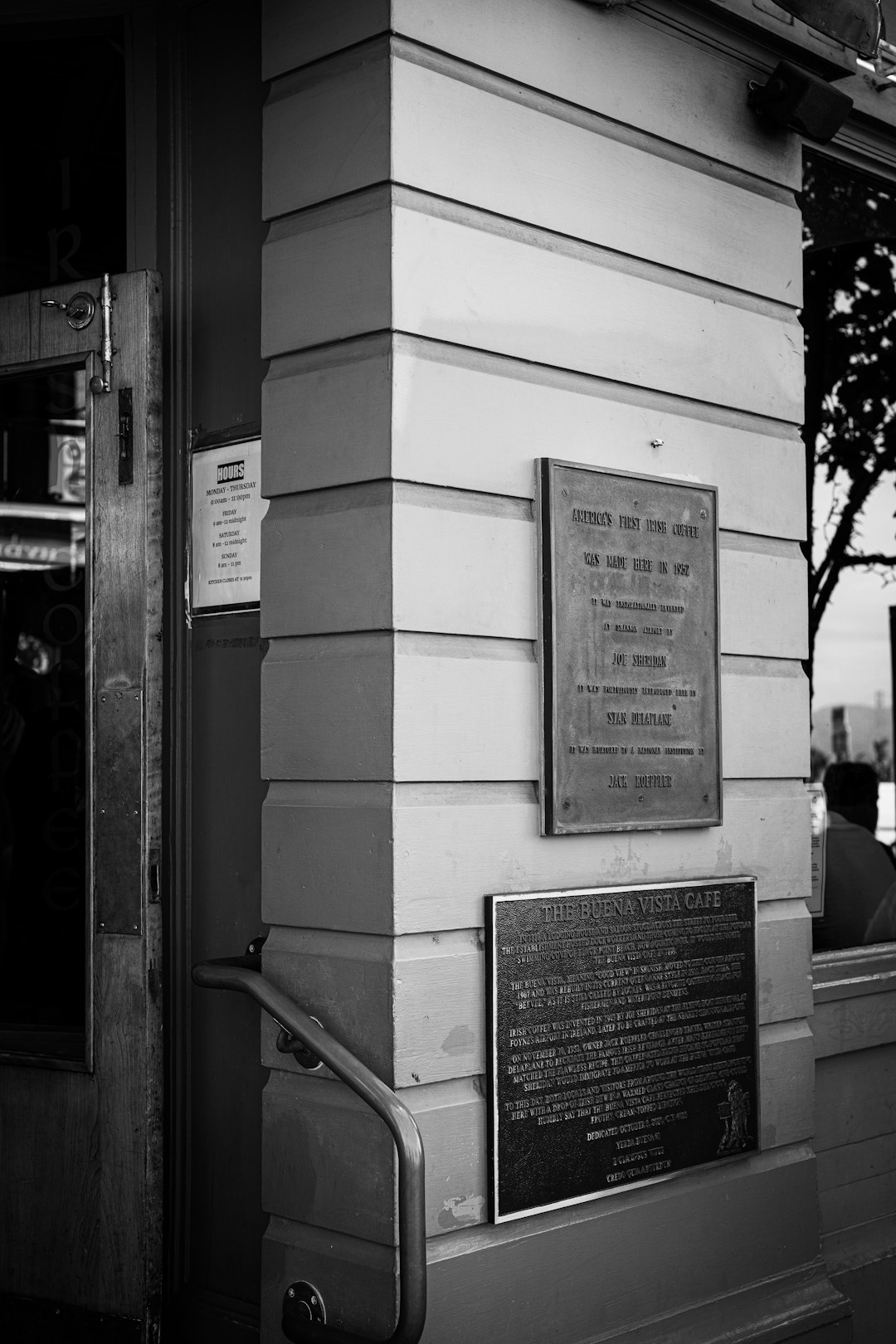
In 1952, a travel journalist named Stanton Delaplane tasted an Irish coffee at Shannon Airport and was immediately taken with it. He brought the recipe back to San Francisco, where his friend Jack Koeppler ran the Buena Vista Café near Fisherman’s Wharf.
The two of them spent weeks trying to recreate the drink. The coffee and the whiskey were easy. The cream was not.
No matter how they poured it, the cream sank. It disappeared into the coffee rather than floating on top in that distinctive layer. Koeppler experimented nightly. Customers at the bar became accidental taste-testers.
☘️ Enjoying this? 64,000+ Ireland lovers get stories like this every week. Subscribe free →
Koeppler eventually rang Joe Sheridan directly. The two worked out the problem together: the cream needed to be slightly aged — kept for a day or two — and then lightly whipped until it just held its shape without becoming stiff. Pour it over a warm spoon turned towards the glass, and it would settle on the surface rather than falling through.
On 10 November 1952, the Buena Vista served its first proper Irish coffees to the public. The café sold thirty that evening. Today it claims to have served more than thirty million. Plaques on the wall mark the original recipe. The San Francisco Chronicle once called it “the city’s greatest contribution to the art of warming up.”
The Secret Behind the Floating Cream
The floating cream is not just decoration. It is the point of the drink.
In a proper Irish coffee, you drink the coffee through the cream rather than stirring it in. The contrast between warm, whiskey-laced coffee and cool, slightly thickened cream is what makes it work. They are not meant to combine.
Joe Sheridan understood this from the start. Fresh double cream, straight from a cold fridge, is too liquid to float. It needs a little time and a little air — enough to hold its shape, not enough to become whipped cream.
The whiskey matters too. Irish whiskey — smoother and lighter than Scotch, with a natural sweetness — works with coffee in a way that heavier spirits do not. A blended Irish whiskey is the traditional choice. A powerful single malt can overwhelm the cup entirely.
For more on the remarkable history of Irish whiskey itself, and how it nearly vanished before becoming one of the world’s great spirits again, read our piece on how Irish whiskey went from world domination to near-extinction — and back.
The Drink That Left Home and Came Back a Legend
Here is the strange part. For much of the 1950s and 1960s, Irish coffee was more famous in San Francisco than in Ireland.
Tourists who had been to the Buena Vista would land at Shannon and ask for it. Some pub staff would look puzzled. The drink invented twenty miles up the road had been exported to America and returned as something almost foreign.
Irish bars eventually caught up. By the 1970s, a cream-topped Irish coffee was a fixture in pubs across the country. But it always carried a slightly unusual quality — something made in Ireland, forgotten in Ireland, made famous abroad, and then reclaimed.
Joe Sheridan himself emigrated to the United States in the 1950s. He worked for a period at the Buena Vista — the café where his invention had become a San Francisco institution. He died in 1962, not famous, but the quiet author of something drunk by millions.
Where to Taste the Real Thing
The Foynes Flying Boat and Maritime Museum in County Limerick tells the full story of the flying boat era — and serves Irish coffee on site. It is one of the most underrated museums in Ireland.
The café at Shannon Airport has served Irish coffee to departing passengers since the 1940s. Few airport cafés in the world have an authentic claim to having invented what they are selling.
Across Ireland, you will find Irish coffee done well and done badly. The test is always the same: does the cream float? If it has been stirred in, or poured from a can, the recipe has been missed entirely.
The best versions — outside of Foynes — tend to come from pubs that care about their drinks. If you are planning a visit to the Shannon region or beyond, our Ireland trip planning guide covers everything you need to know before you go.
A Name Worth Knowing
Joe Sheridan’s name is not on any monument. There is no statue at Shannon Airport, no street named after him in Limerick. Most Irish people, if asked who invented Irish coffee, would not know the answer.
But on that winter night in 1943 — turned-back flight, exhausted passengers, a chef with a pot of coffee and a bottle of whiskey — something was made that has outlasted every single person in that terminal.
The drink is better than its recipe suggests. A few lines of instructions cannot capture the exact pleasure of cold cream on warm coffee, whiskey underneath, rain on the window outside. It is an Irish invention in the fullest sense: something made out of necessity that turned out, quietly and without ceremony, to be beautiful.
The next time you order one, ask for the cream on top. Do not stir it. Drink it the way Joe Sheridan intended.
☘️ You Might Also Love
☘️ Join 64,000+ Ireland Lovers
Every Friday, get Ireland’s hidden gems, local secrets, and travel inspiration — the kind you won’t find in any guidebook.
Free forever · · Unsubscribe anytime
☘️ Get More Irish Recipes & Stories
Join 64,000+ readers for weekly Irish recipes, food traditions, travel guides, and hidden gems. Free every morning.
📥 Free Download: Ireland Travel Planning Guide
Our most popular resource — itineraries, insider tips, and the 50 places you must not miss.
Tours & experiences you might love


Powered by Viator. Some links are affiliate links — we may earn a small commission at no extra cost to you.
Secure Your Dream Irish Experience Before It’s Gone!
Planning a trip to Ireland? Don’t let sold-out tours or packed attractions spoil your journey. Iconic experiences like visiting the Cliffs of Moher, exploring the Rock of Cashel, or enjoying a guided walk through Ireland’s ancient past often sell out quickly—especially during peak travel seasons.

Booking in advance guarantees your place and ensures you can fully immerse yourself in the rich culture and breathtaking scenery without stress or disappointment. You’ll also free up time to explore Ireland’s hidden gems and savour those authentic moments that make your trip truly special.
Make the most of your journey—start planning today and secure those must-do experiences before they’re gone!