

These mysterious stone figures are carved into the walls of ancient Irish churches and castles, often hidden just above a doorway or tucked into a corner of crumbling stonework. Most visitors walk straight past them. Those who stop and look twice often wish they’d kept walking.
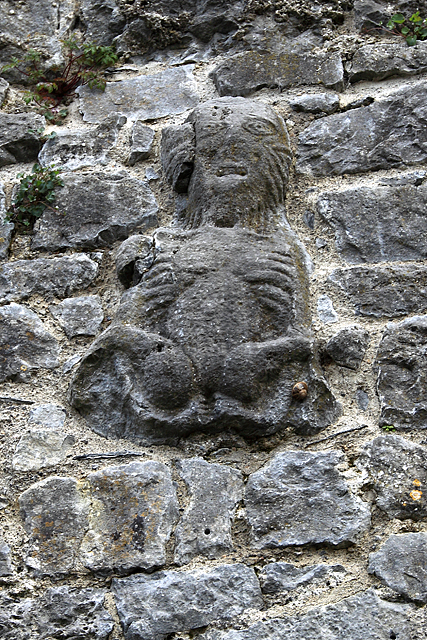
What Is a Sheela-na-Gig?
A Sheela-na-gig is a carved stone figure — typically of a female form — found on medieval Irish churches, castles, and other stone buildings dating from the 11th to 17th centuries.
The figures are strikingly explicit, depicting women in poses that have puzzled historians, shocked tourists, and fascinated archaeologists for centuries. There are over a hundred surviving examples across Ireland, with more scattered across Britain.
Each one is unique. Some are grinning. Some look almost serene. All of them are unmistakably deliberate.
Nobody Agrees on What They Mean
That’s the thing about Sheela-na-gigs — the arguments are as old as the stones themselves.
Some scholars believe they are apotropaic figures: protective carvings meant to ward off evil spirits. The idea is ancient and universal — many cultures placed explicit imagery at doorways to repel malevolent forces. In this reading, the Sheela-na-gig was not a provocative symbol but a guardian.
Others argue they represent a pre-Christian fertility goddess, a remnant of older beliefs that survived into the medieval world by hiding in plain sight on church walls. A third camp suggests they were moralising figures, warning against the sins of lust — a very medieval idea of a cautionary tale carved in stone.
Not one of these theories has ever been proven.
Hidden in Plain Sight
What makes Sheela-na-gigs so remarkable is where you find them: on the walls of Christian churches, carved by stonemasons who were almost certainly devout.
Their greatest concentration is in Ireland. Figures have been found at churches and castles across Connacht, Munster, and Leinster — many moved to museums, others still weathering on the walls where they were first carved eight or nine centuries ago.
Walk slowly the next time you pass an old Irish church. Run your eye along the stonework above the door. You may be surprised at what has been watching the road all along.
Ireland’s Quiet Custodians
For centuries, local communities knew about Sheela-na-gigs long before academics did. They had names for them in Irish — the most common being Síle na gCíoch, which translates roughly as “the old hag of the breasts.”
They were not considered scandalous. They were simply part of the landscape. In some areas, Sheela-na-gigs were touched for luck at certain times of year — particularly by women hoping to conceive, and farmers seeking good harvests.
The folk belief attached to them ran quietly alongside Christianity rather than against it. There is something very Irish about that: honouring the ancient and the new at the same time, without feeling the need to choose.
The Hunt for the Last Ones
About 101 Sheela-na-gig figures have been identified in Ireland — though the true number may be higher. Some were removed by embarrassed Victorian clergy. Others were buried or smashed.
Those that remain are carefully catalogued and studied, with the National Museum of Ireland in Dublin holding some of the finest examples. Researchers continue to find previously unrecorded figures tucked into old walls and forgotten abbeys.
Visiting a Sheela-na-gig — when you know what to look for — is a genuinely strange experience. You stand before something a thousand years old, completely mysterious, and carved by someone who had a very specific intention. We just don’t know what it was.
Where to See Them in Ireland
The National Museum of Ireland holds the country’s largest collection — seventeen figures in total — though most stay in storage rather than on public display; only a couple are on view at its Dublin sites, with a few more displayed at museums in their home counties. For those who prefer to find them in situ, the medieval town walls of Fethard in County Tipperary (home to three Sheela-na-gigs) and the old tower houses of Connacht are the most rewarding hunting grounds.
Ireland’s ancient stonework holds far more than most visitors expect. The ogham alphabet carved into standing stones offers another window into pre-Christian Irish culture — as does the enduring mystery behind the Celtic cross. If you’re planning a visit, our Ireland trip-planning guide is a good place to start.
Somewhere right now, in a field in Connacht or above a crumbling doorway in Munster, a Sheela-na-gig is watching the world go by — exactly as she has been for the past thousand years. Still grinning. Still unexplained. Still Irish to her core.
☘️ Want More Hidden Ireland?
Join 64,000+ subscribers who discover Ireland’s best-kept secrets every week.
Subscribe Free — Join the Community →
Free forever · Unsubscribe anytime · No spam
📥 Free Download: Ireland Travel Planning Guide
Our most popular resource — itineraries, insider tips, and the 50 places you must not miss.
Tours & experiences you might love


Powered by Viator. Some links are affiliate links — we may earn a small commission at no extra cost to you.
Secure Your Dream Irish Experience Before It’s Gone!
Planning a trip to Ireland? Don’t let sold-out tours or packed attractions spoil your journey. Iconic experiences like visiting the Cliffs of Moher, exploring the Rock of Cashel, or enjoying a guided walk through Ireland’s ancient past often sell out quickly—especially during peak travel seasons.

Booking in advance guarantees your place and ensures you can fully immerse yourself in the rich culture and breathtaking scenery without stress or disappointment. You’ll also free up time to explore Ireland’s hidden gems and savour those authentic moments that make your trip truly special.
Make the most of your journey—start planning today and secure those must-do experiences before they’re gone!