

County Galway stretches from the medieval streets of Galway city to the wild, rain-lashed beauty of Connemara and the ancient stone fortresses of the Aran Islands. It is a county where the Irish language lives on in everyday conversation, where traditional music spills out of pub doorways every night of the week, and where the Atlantic Ocean shapes everything from the landscape to the character of the people.
This is the third article in our 32 Counties of Ireland series — a comprehensive guide to every county on the island. Whether you are planning your first visit to the west of Ireland or returning to explore deeper, this guide covers the must-see sights, the hidden gems, the best times to visit, and practical tips for making the most of your time in County Galway.
How many of Ireland’s 32 counties can you name? ☘️
Counties of Ireland — the geography-quiz tool. Place all 32 on the map and see if you can beat the average.
Why County Galway? The Cultural Heart of the West
Galway is often called the most Irish of Ireland’s counties, and there is good reason for it. The Gaeltacht regions of Connemara and the Aran Islands are among the largest Irish-speaking communities in the country. The arts scene in Galway city is internationally renowned — from the Galway International Arts Festival every July to the Druid Theatre Company, which has been staging world-class productions since 1975.
But Galway is not just culture and language. The county’s geography is extraordinary: the limestone karst landscape of the Burren gives way to the bogs and mountains of Connemara, while the coastline runs from the sheltered waters of Galway Bay to the savage Atlantic cliffs of the Aran Islands. It is a county of contrasts — sophisticated city life alongside some of the most remote and untouched landscapes in Europe.
The Must-See Attractions
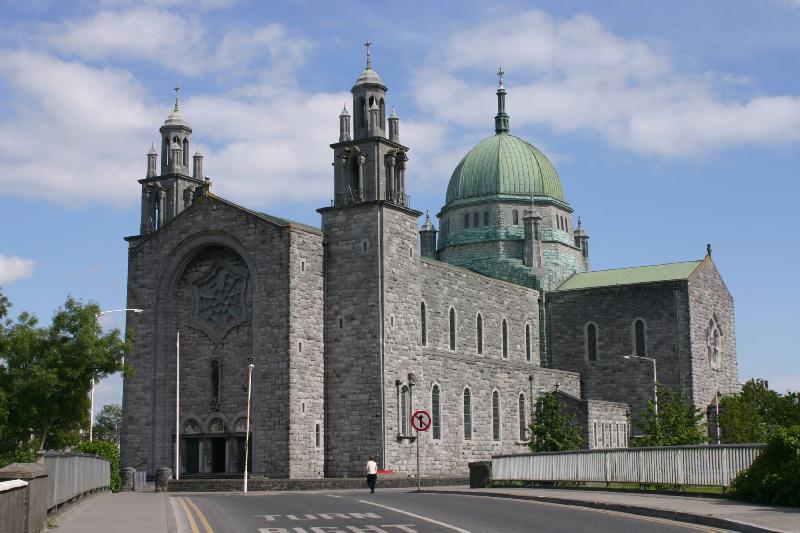
Galway City — The City of the Tribes
Galway city is compact, vibrant, and endlessly walkable. Shop Street and Quay Street form the beating heart of the city, lined with buskers, craft shops, and some of the best pubs in Ireland. The Spanish Arch dates back to 1584, a reminder of Galway’s centuries-old trading links with Spain. The Long Walk, with its row of colourful houses reflected in the waters of the Claddagh Basin, is one of the most photographed scenes in Ireland. Visit Tigh Neachtain for a pint in one of the finest traditional pubs in the country.
Connemara — Wild and Untamed
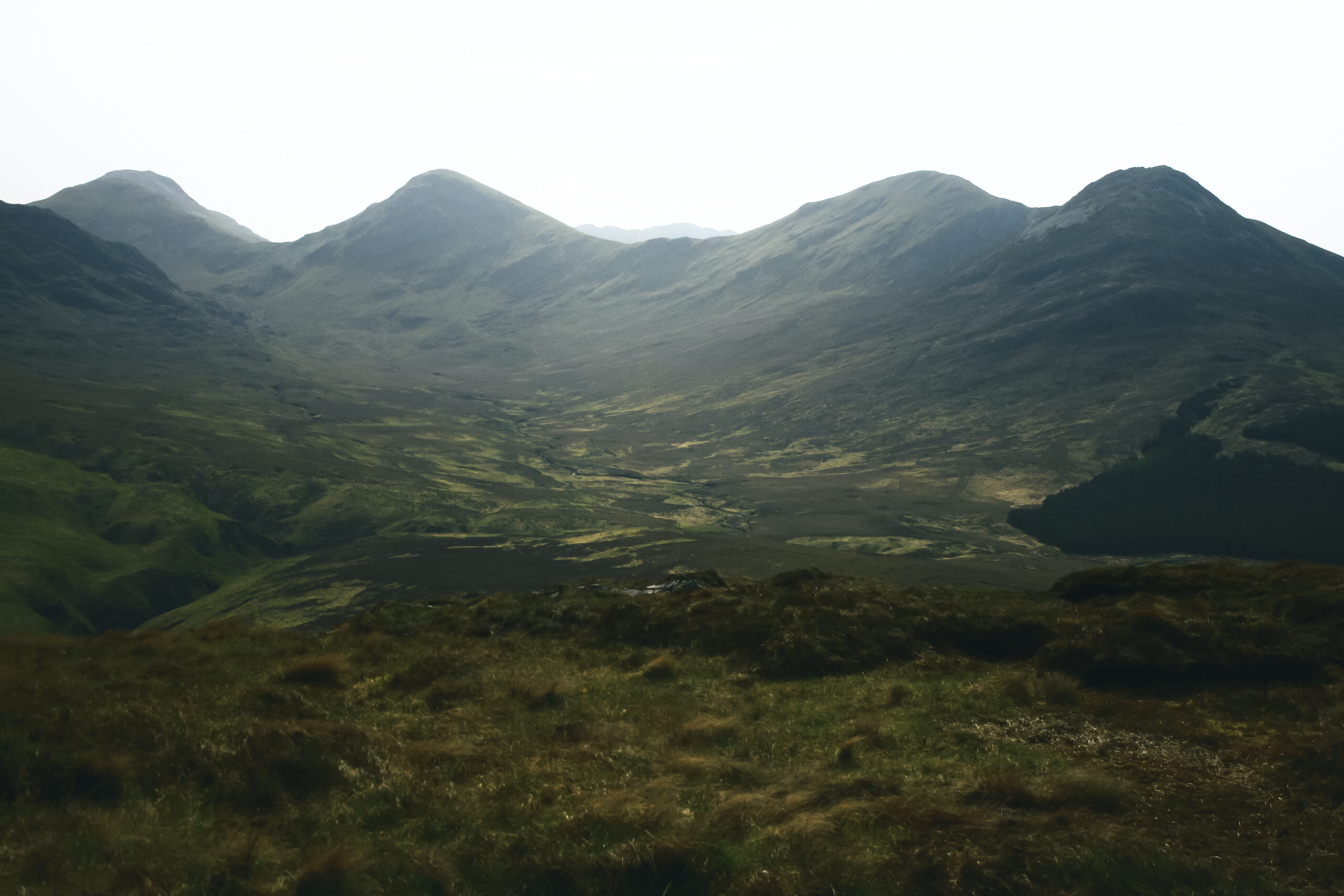
Connemara is a landscape that defies easy description. Vast expanses of bogland stretch beneath mountain ridges, punctuated by still lakes that mirror the ever-changing sky. The Twelve Bens mountain range offers serious hill walking, whilst the Sky Road near Clifden provides one of the most spectacular coastal drives in Ireland. Connemara’s beauty is raw and unpolished — this is not manicured countryside but genuine wilderness, and that is precisely its appeal.
Kylemore Abbey
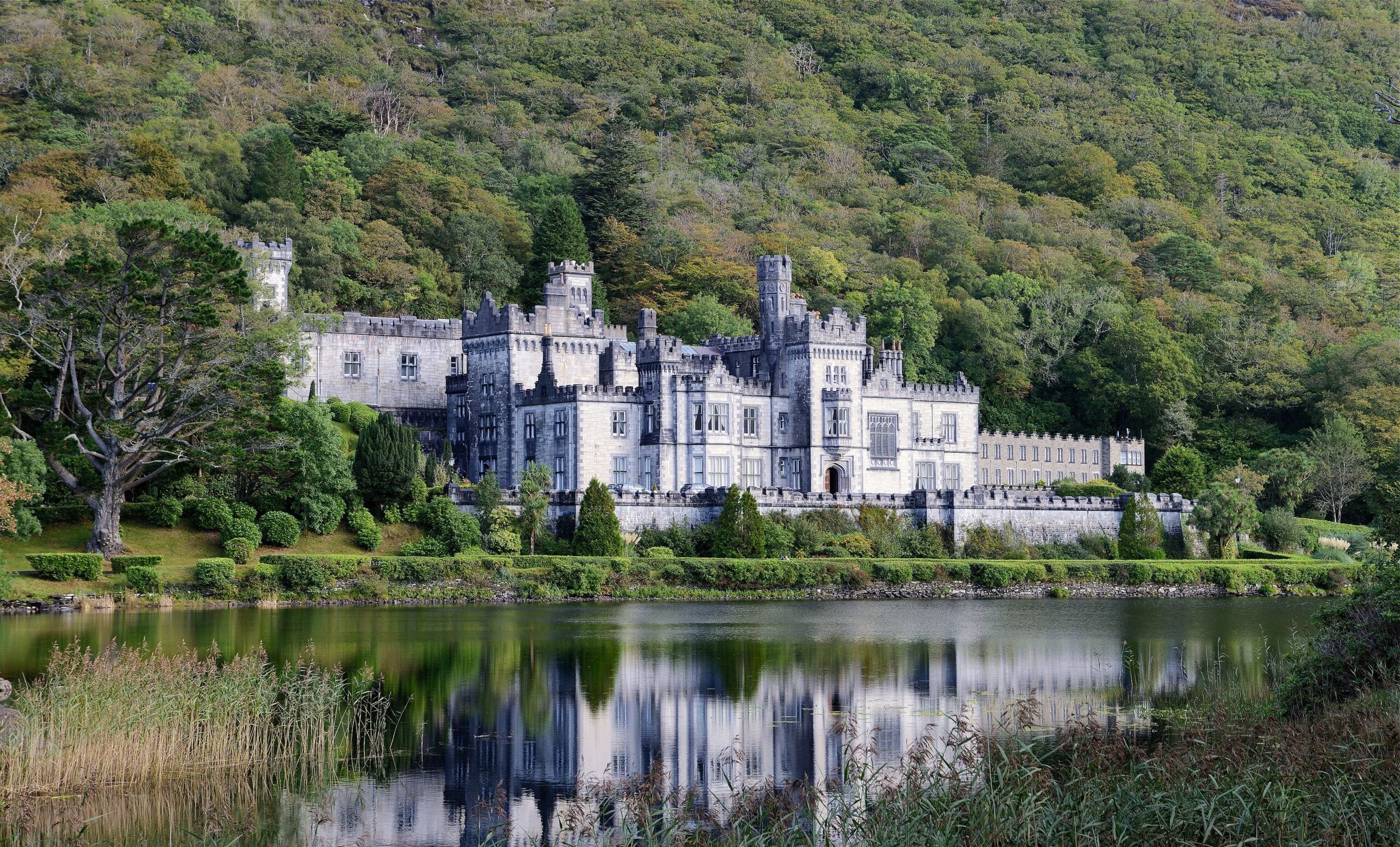
Kylemore Abbey is perhaps the most photographed building in Connacht. Built in 1868 as a private castle, it has been home to Benedictine nuns since 1920. The abbey sits against the backdrop of Dúchruach Mountain, perfectly reflected in the lake below. The Victorian Walled Garden, restored to its original 6-acre glory, is one of the finest in Ireland and worth the visit alone.
Love Ireland? Get our free weekly newsletter
The best of Ireland delivered to your inbox every Tuesday — hidden gems, travel tips, culture, and stories you won’t find anywhere else.
The Aran Islands
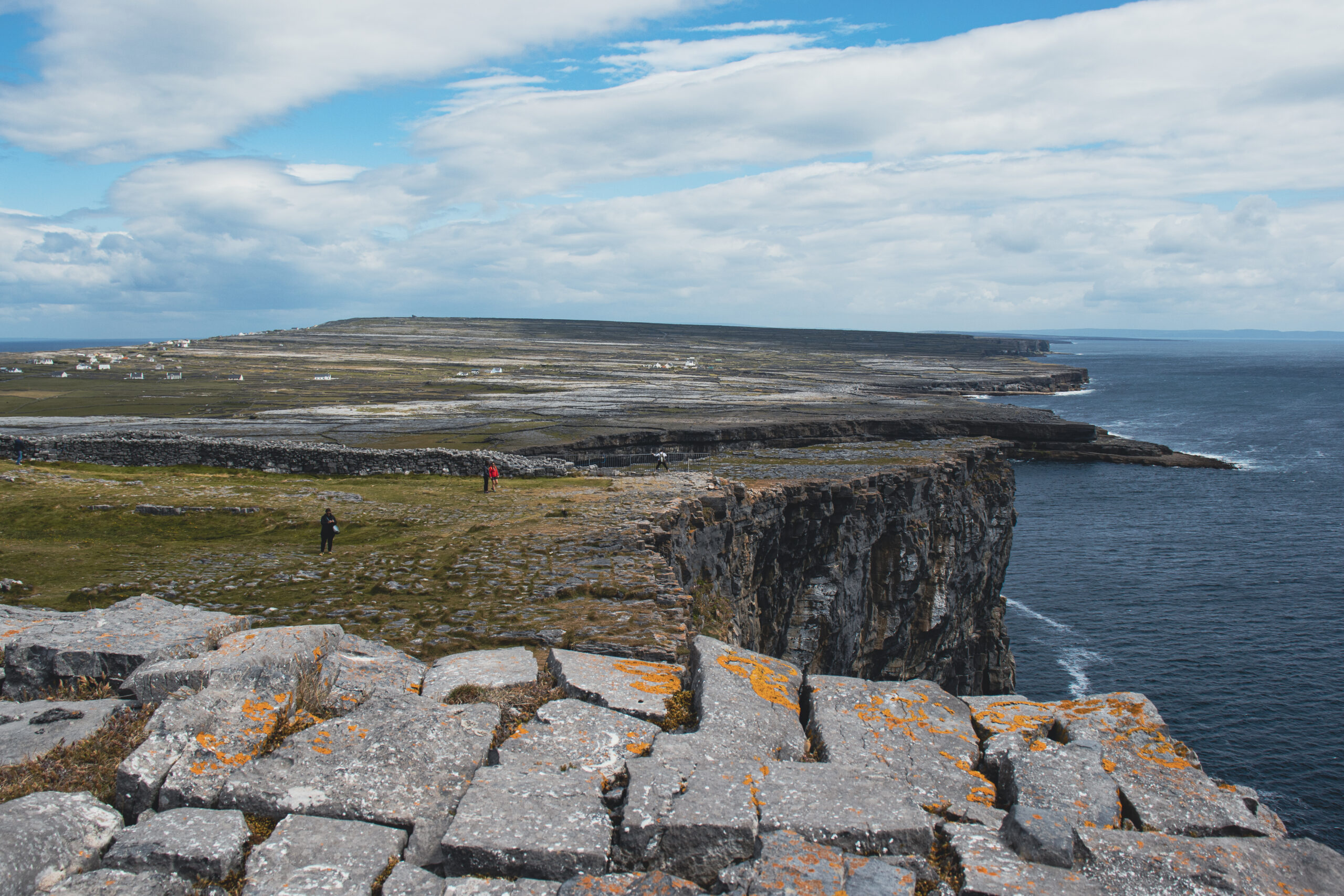
The three Aran Islands — Inis Mór, Inis Meáin, and Inis Oírr — sit at the mouth of Galway Bay, exposed to the full force of the Atlantic. Dún Aonghasa on Inis Mór is a prehistoric stone fort perched on the edge of a 100-metre cliff, one of the most dramatic archaeological sites in Europe. The islands are Irish-speaking, and life moves at a different pace here — bicycles and pony traps still outnumber cars. The ferry from Rossaveal takes about 40 minutes.
The Claddagh
The Claddagh was once a fishing village on the edge of Galway city, with its own king and its own customs. Today, it gives its name to the world-famous Claddagh ring — two hands clasping a heart beneath a crown, symbolising love, loyalty, and friendship. The original Claddagh cottages are gone, but the waterfront promenade and the views across Galway Bay remain beautiful. Thomas Dillon’s shop on Quay Street has been making Claddagh rings since 1750 and is worth a visit.
Hidden Gems Most Tourists Miss
Derrigimlagh Bog — Where History Landed
This vast bogland near Clifden is where Alcock and Brown crash-landed in 1919 after completing the first non-stop transatlantic flight. A white limestone monument shaped like an aircraft fin marks the spot. Nearby are the ruins of the Marconi wireless station, from which the first commercial transatlantic radio messages were sent. A looped walking trail connects both sites across the haunting bog landscape.
☘️ Enjoying this? 64,000+ Ireland lovers get stories like this every week. Subscribe free →
Inishbofin Island
Whilst the Aran Islands attract the crowds, Inishbofin remains gloriously quiet. This small island off the Connemara coast has a permanent population of around 180 people, pristine beaches, a ruined Cromwellian barracks, and some of the best traditional music sessions in the west. The ferry from Cleggan takes 30 minutes.
Coole Park
Once the home of Lady Augusta Gregory, co-founder of the Abbey Theatre, Coole Park is now a nature reserve with ancient woodland walks. The famous Autograph Tree — a copper beech carved with the initials of W.B. Yeats, George Bernard Shaw, and other literary giants — still stands. It is a peaceful, contemplative place that captures the literary spirit of the west.
Portumna Castle and Forest Park
On the shores of Lough Derg in east Galway, Portumna Castle is a beautifully restored Jacobean mansion surrounded by 600 hectares of forest park. The walled kitchen garden has been restored to its 17th-century layout. It is rarely crowded and offers a completely different side of Galway from the coastal scenery.
☘️ Enjoying this journey through Galway?
Join 64,000+ readers who get stories like this delivered free every morning.
Best Time to Visit County Galway
Galway’s climate is shaped by the Atlantic, which means mild temperatures year-round but frequent rain — particularly in Connemara. The weather is part of the experience: the light shifts constantly, and a grey morning can transform into a golden afternoon without warning.
Peak season (May to September): Temperatures range from 14°C to 20°C. The Galway International Arts Festival takes over the city in July. The Galway Races in late July and early August bring the whole county to life. Long evenings mean you can explore until 10pm. Book accommodation well in advance for July and August.
Shoulder and winter season: September and October bring beautiful autumn colours to Coole Park and Portumna. The traditional music scene runs year-round — winter sessions in Galway pubs can be more intimate and authentic than summer ones. The Aran Islands in winter are dramatic but ferry services may be reduced in rough weather.
The Arts Capital of Ireland
Galway’s artistic identity is not a marketing invention — it is woven into the fabric of the city and county. The Druid Theatre Company has won Tony Awards on Broadway. The Town Hall Theatre stages everything from opera to stand-up comedy. Galway was designated a European Capital of Culture in 2020, and the creative energy that earned that title has only grown since.
Traditional music is everywhere. Crane Bar, Tigh Coilí, and Monroe’s Tavern host sessions most nights of the week. And beyond the city, the Connemara Gaeltacht communities maintain sean-nós singing and dancing traditions that stretch back centuries.
Practical Tips for Your Galway Visit
Getting there: Ireland West Airport Knock is about 90 minutes north. Shannon Airport is 90 minutes south. Galway is connected to Dublin by motorway (2.5 hours) and by regular Bus Éireann and CityLink services. Irish Rail runs daily services from Dublin Heuston.
Getting around: Galway city is best explored on foot. For Connemara and the wider county, you will need a car — public transport is limited in rural areas. Rent from Galway city centre. For the Aran Islands, take the Aran Island Ferries from Rossaveal (free shuttle bus from Galway city).
Where to stay: Galway city centre for nightlife and culture. Clifden for a Connemara base. Roundstone or Letterfrack for something quieter. The Aran Islands for a truly immersive experience — stay at least one night to see the islands after the day-trippers leave.
Pack for the weather: A waterproof jacket is essential no matter what time of year. Connemara walks require proper hiking shoes. Layers are your friend — the temperature can shift several degrees in an hour.
Next in the Series
This is the third article in our 32 Counties of Ireland series — a comprehensive guide to every county on the island. If you missed the earlier articles, start with County Kerry and then read County Cork. Next up: County Clare — home of the Cliffs of Moher, the Burren, and some of the finest traditional music in Ireland.
Don’t miss a county — subscribe to the newsletter
Join 64,000+ readers who love Ireland. Get weekly stories, hidden gems, and travel inspiration delivered free every Tuesday.
☘️ Love learning about Ireland’s counties?
Join 64,000+ readers exploring Ireland — one story at a time. Free every morning.
☘️ Want More Hidden Ireland?
Join 64,000+ subscribers who discover Ireland’s best-kept secrets every week.
Subscribe Free — Join the Community →
Free forever · Unsubscribe anytime · No spam
📥 Free Download: Ireland Travel Planning Guide
Our most popular resource — itineraries, insider tips, and the 50 places you must not miss.
Tours & experiences you might love


Powered by Viator. Some links are affiliate links — we may earn a small commission at no extra cost to you.
Secure Your Dream Irish Experience Before It’s Gone!
Planning a trip to Ireland? Don’t let sold-out tours or packed attractions spoil your journey. Iconic experiences like visiting the Cliffs of Moher, exploring the Rock of Cashel, or enjoying a guided walk through Ireland’s ancient past often sell out quickly—especially during peak travel seasons.

Booking in advance guarantees your place and ensures you can fully immerse yourself in the rich culture and breathtaking scenery without stress or disappointment. You’ll also free up time to explore Ireland’s hidden gems and savour those authentic moments that make your trip truly special.
Make the most of your journey—start planning today and secure those must-do experiences before they’re gone!