

Every summer, a single Irish town is chosen to host one of the world’s most extraordinary musical gatherings. Within days, the streets fill with fiddles. Teenagers sit on kerbs playing reels. Pubs run out of Guinness before midnight. Nobody planned most of it. That’s the Fleadh Cheoil.
Fleadh Cheoil 2026 — Coming to Belfast for the First Time
The 2026 Fleadh Cheoil na hEireann takes place in Belfast from Sunday 2 August to Sunday 9 August 2026 — the first time in the festival’s 75-year history that Belfast has hosted. Over 800,000 visitors are expected across the eight-day event. The main outdoor Gig Rig stage offers free live performances every day. A Fringe Fleadh takes place across city neighbourhoods. Most events are free to attend. Full programme: fleadhcheoil.ie. Belfast is also confirmed as host for Fleadh Cheoil 2027.
How to Get to Fleadh Cheoil 2026 in Belfast
Belfast is well connected from Dublin (2 hours by Enterprise train, 2.5 hours by Bus Eireann), Cork (4 hours by Aircoach), and Derry. Belfast Grand Central Station opened in 2024 and is the central transport hub. For accommodation, book early — hotels in Belfast city centre fill quickly during festival week. A hotel within walking distance of the Cathedral Quarter or St Anne’s Square puts you in the heart of the session action. The Gig Rig main stage is outdoors and free. Most pub sessions begin after 9pm and run until 2am or later.
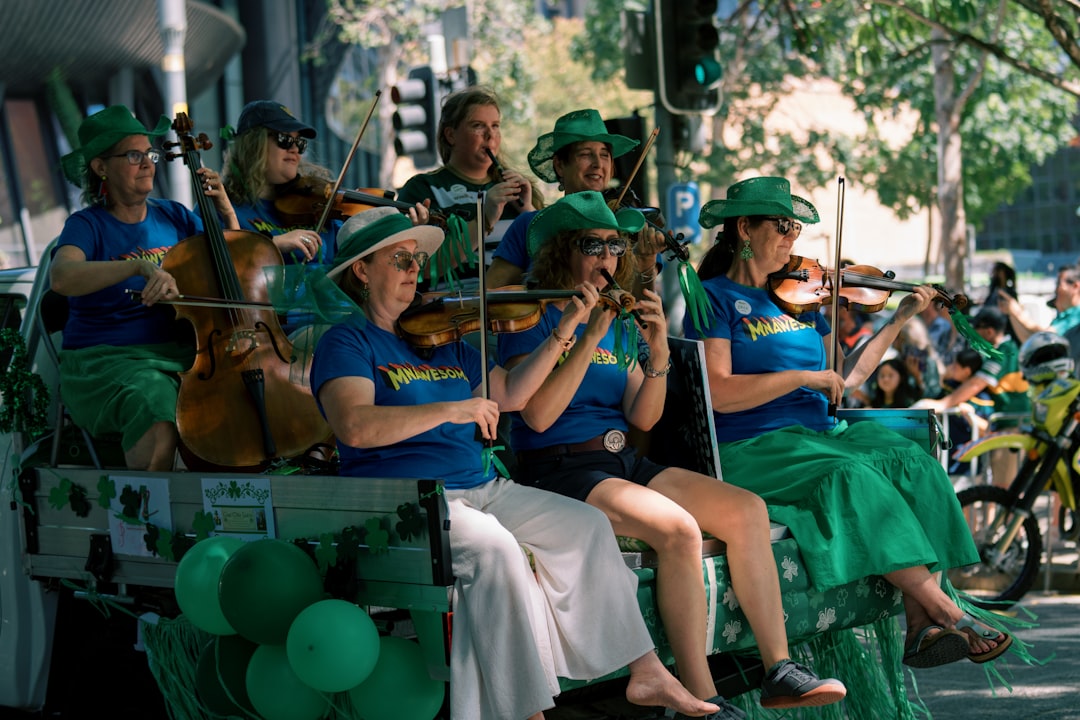
What “Fleadh Cheoil” Actually Means
The name comes directly from the Irish language. “Fleadh” means feast and “ceol” means music. A music feast — and that is exactly what it is.
The first Fleadh Cheoil na hÉireann took place in 1951 in Mullingar, County Westmeath. It was organised by Comhaltas Ceoltóirí Éireann, the body dedicated to preserving and promoting Irish traditional music.
The idea was simple: gather the best traditional musicians from across Ireland in one place, let them compete, and let them play. More than seven decades later, the formula hasn’t changed.
The Competitions That Define It
The Fleadh is, at its core, a competition. Every category of traditional Irish music has its own championship — from tin whistle and bodhrán to uilleann pipes and concertina.
Singing is judged separately. There are categories for sean-nós (unaccompanied Irish-language song), English-language song, and lilting — a form of wordless vocal melody unique to Ireland.
Céilí dancing, solo step dancing, and set dancing all have their own competitions too. Children as young as eight compete alongside musicians in their seventies.
Winning at the Fleadh is the highest honour in traditional music. For many musicians, it is the goal they’ve worked towards their entire lives.
☘️ Enjoying this? 64,000+ Ireland lovers get stories like this every week. Subscribe free →
The Sessions Nobody Planned
Here is what makes the Fleadh unlike any other music festival in the world.
The competitions end each evening. Then the real music begins.
Sessions break out on street corners, in doorways, in hotel lobbies, and in every pub in town. Nobody organises them. There’s no stage, no ticket, no setlist. One musician starts a tune. Others join in. A crowd gathers.
These spontaneous sessions often last until dawn. Strangers sit side by side, sharing the same tunes their grandparents knew. The unwritten rules of a trad session apply — listen first, join when you know the tune, never drown out the melody.
This is where the Fleadh’s magic lives. Not on a stage, but on a stool in a packed pub, surrounded by music that has no end.
The Town That Has to Get Ready
The Fleadh rotates around Ireland. Different counties bid to host it, and a different town is chosen for each year’s All-Ireland championships.
When a town is chosen, it has months to prepare. Pubs extend their opening hours. Community halls are booked. Streets are given over to pedestrians and music.
At its peak, the Fleadh draws over 400,000 visitors to a single town. For communities in smaller counties, hosting the Fleadh is an event that stays in the memory for generations. The economic impact is enormous — but locals often say what stays with them longest is the sound.
Streets that are usually quiet fill, just for a week, with fiddles and flutes drifting from every window.
Why the Fleadh Still Matters
In the old days, traditional Irish music and dance were pushed to the margins. Much was lost. A generation grew up without the tunes their grandparents knew.
The Fleadh Cheoil was founded partly as a response to that. It was a declaration that traditional music would not disappear quietly.
Today, it is thriving. The Fleadh draws younger musicians every year. Teenagers who grew up listening to their grandparents play now compete on the same stage. The music feast that began in a Westmeath town in 1951 has become something larger than a festival.
It is Ireland’s annual proof that the old tunes still matter.
If you are planning a trip to Ireland, timing it around the Fleadh is one of the best decisions you can make. You won’t need a ticket. Just follow the sound.
☘️ You Might Also Love
☘️ Join 64,000+ Ireland Lovers
Every Friday, get Ireland’s hidden gems, local secrets, and travel inspiration — the kind you won’t find in any guidebook.
Free forever · · Unsubscribe anytime
Tours & experiences you might love


Powered by Viator. Some links are affiliate links — we may earn a small commission at no extra cost to you.
Secure Your Dream Irish Experience Before It’s Gone!
Planning a trip to Ireland? Don’t let sold-out tours or packed attractions spoil your journey. Iconic experiences like visiting the Cliffs of Moher, exploring the Rock of Cashel, or enjoying a guided walk through Ireland’s ancient past often sell out quickly—especially during peak travel seasons.

Booking in advance guarantees your place and ensures you can fully immerse yourself in the rich culture and breathtaking scenery without stress or disappointment. You’ll also free up time to explore Ireland’s hidden gems and savour those authentic moments that make your trip truly special.
Make the most of your journey—start planning today and secure those must-do experiences before they’re gone!