

In 1997, a lighthouse keeper on the Irish coast switched off his equipment, locked the door behind him, and drove away. He was the last man to do that job in Ireland. Nobody made a speech. Nobody held a ceremony. A way of life that had guided ships through Irish waters for over two centuries simply ended.
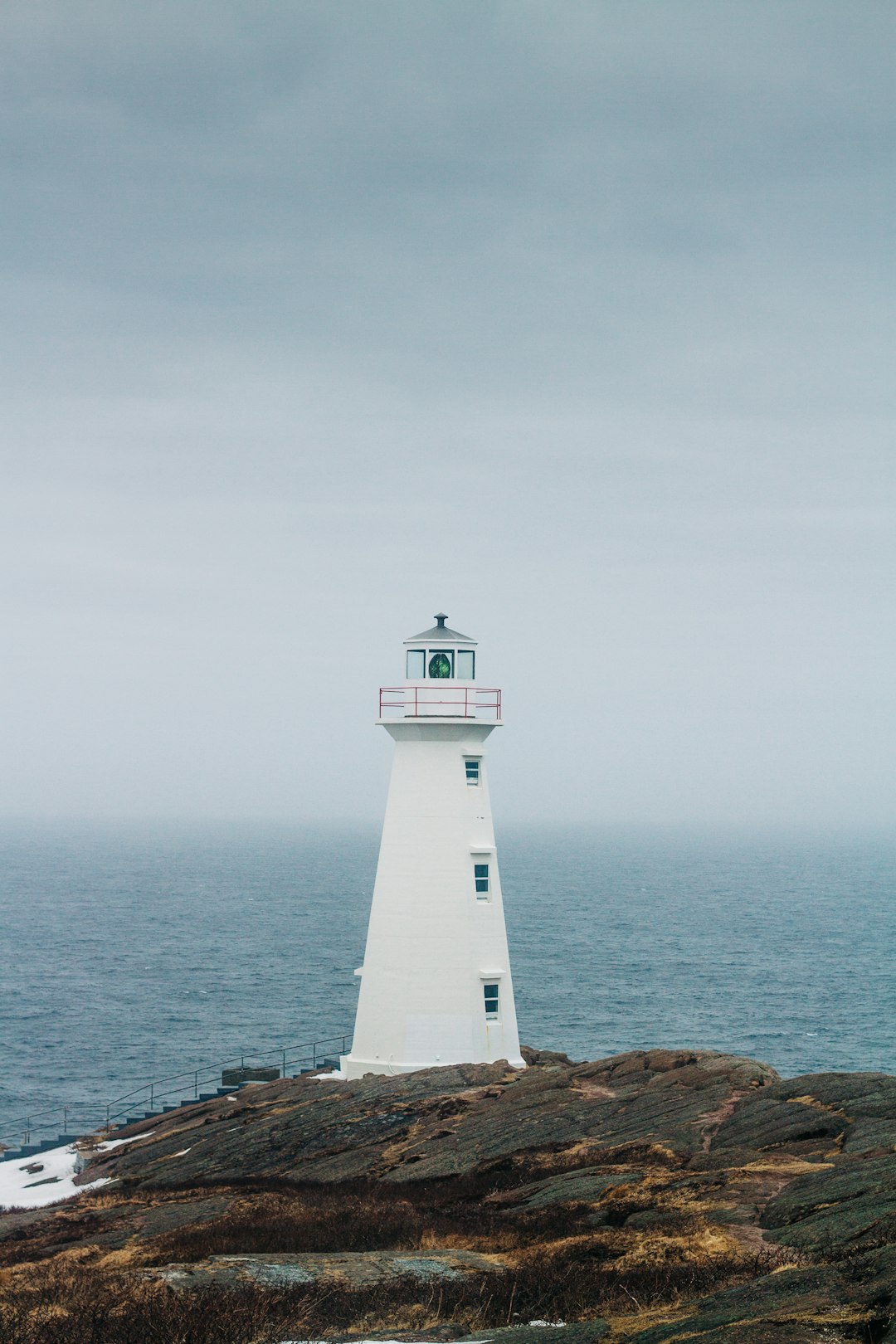
The Life of an Irish Lighthouse Keeper
Irish lighthouse keepers lived lives that most people never saw and few ever imagined.
They were stationed on remote headlands, rocky islands, and wind-battered towers that jutted out into the Atlantic. Their job was simple: keep the light burning. Their world was anything but.
The Irish Lights service, formally established in 1786, operated over 80 lighthouses around the Irish coastline. Most were manned 24 hours a day, 365 days a year. Each station had a principal keeper and two assistants, rotating shifts through the night.
They kept detailed logs of every ship that passed, every storm that hit, every adjustment made to the light. For many keepers, the job passed from father to son for generations. It was a calling as much as a career.
For a small island nation whose history is bound up with the sea, the lighthouse keeper occupied a quiet but vital place in Irish life. Without them, the coasts that drew the world’s shipping lanes would have claimed far more lives than they did.
What the Keepers Actually Did
Running a lighthouse was never just about flicking a switch.
Before electricity reached the more remote stations, keepers hand-pumped oil through the night and climbed the tower every four hours to wind the mechanism that kept the light rotating. A light that stopped turning was a catastrophe. Every lighthouse had its own specific flash pattern — ships used those patterns to identify where they were. If the timing changed, the signal was lost.
Every morning, keepers polished the giant Fresnel lenses by hand. This could take three to four hours. A fingerprint or a smear of grease could scatter the light at the wrong angle, reducing its range by miles. The work was precise and relentless.
They also maintained fog horns, barometric instruments, and radio equipment as the technology evolved over the decades. They filed weather reports. They recorded passing vessels in logbooks that now fill archive shelves across Ireland.
It was skilled work, and the people who did it well were proud of that. The lighthouse service had its own culture, its own hierarchy, and its own unspoken understanding of what the job demanded.
Months Without Land — The Rock Stations
Not all lighthouse keepers had the luxury of living near a town or village.
The rock stations — Fastnet, the Kish, Tuskar Rock, Eagle Island — were built on lonely outcrops of stone miles offshore. Keepers stationed there spent weeks or months without setting foot on dry land. Supply boats brought food and fuel when the weather allowed. When storms hit — which they did, often — the keepers stayed, doing their job.
Fastnet Lighthouse, off the coast of Cork, sits on a bare rock 14 miles from the nearest town. Built between 1899 and 1904 from Cornish granite shipped piece by piece to the site, it housed keepers in a space barely larger than a small house, surrounded on all sides by the Atlantic.
The isolation was absolute. Some keepers thrived in it. Others found it suffocating. The ones who stayed longest described the sea as having its own rhythm — a vast, indifferent pulse that eventually became more familiar than the sound of traffic or conversation.
The monks of Skellig Michael chose isolation as a spiritual discipline. The lighthouse keepers of Ireland’s rock stations had little choice — but many of them came to understand, in their own way, what that kind of solitude does to a person.
☘️ Enjoying this? 64,000+ Ireland lovers get stories like this every week. Subscribe free →
The Ships They Saved — and the Ones They Couldn’t
The whole point of the lighthouse was the ships.
Ireland’s coastline is notoriously dangerous. The Wild Atlantic coast carries some of the most powerful swells in Europe. Hidden reefs and submerged rocks lurk at dozens of points around the shore. Before lighthouses and proper charts, wrecks were common and expected.
The keepers were not passive observers. When they spotted a vessel in distress, they raised alarms, sent signals, and — in the years before proper coastguard services — sometimes launched rescue efforts themselves. Several were decorated for acts of bravery that went far beyond the terms of their employment.
Others simply recorded the wrecks they could not prevent: the ship’s name, the number of souls aboard, the direction of the hull as it disappeared beneath the surface. These entries are among the most sobering passages in Irish maritime history.
The tradition of working the sea in traditional Irish vessels had always been dangerous. The lighthouse service was Ireland’s attempt to make that danger survivable — a chain of human presence stretching around the entire coastline, every light a point of safety in the dark.
The Night the Lights Went Automatic
The automation of Irish lighthouses began in the 1980s and was completed on 24th March 1997.
One by one, the keepers were retired or redeployed. The lights would now be managed remotely, monitored by sensors, and adjusted by computer systems that required no sleep and no supply runs. The men who had spent years — sometimes decades — climbing those towers at night handed over their keys and left.
It was a practical decision. Modern automation is reliable. It does not fall ill in a gale or run short of fuel in January. For the Irish Lights commissioners, it made undeniable sense.
But something went with those men. The unofficial notes in logbook margins — the sightings of unusual marine life, the observations about how particular storms behaved, the quiet recordings of the sea’s personality — all of that stopped. The lights still burn. But they burn alone now.
There is no museum of Irish lighthouse keeping. No monument to the families who grew up in lighthouse cottages, who played on headlands their schoolmates never visited, who learned to sleep through fog horns and wake at the sound of silence when the mechanism stopped turning.
If you want to trace the edges of Ireland that those keepers knew, the Wild Atlantic Way planning guide is the best place to begin. Many of the viewpoints it covers are the same headlands where keepers once stood watch.
What Remains
Several of Ireland’s former lighthouses are now heritage sites or holiday rentals.
Wicklow Head Lighthouse offers overnight stays in the original tower. Hook Lighthouse in Wexford — one of the oldest operational lighthouses in the world — runs guided tours. Visitors can climb the same stairs those keepers climbed, look out at the same stretch of sea, and spend a moment trying to understand what it meant to live there. Several of these, including Wicklow Head and Fanad Lighthouse in Donegal, are now part of the Great Lighthouses of Ireland network, which coordinates visits, tours and overnight stays across the country’s heritage lighthouses.
The silence they managed in those towers — the precise, responsible silence of a working light — is harder to find now. But the headlands remain. The Atlantic has not changed. And somewhere in the way those lights still pulse through the Irish night, there is an echo of the men who kept them burning.
☘️ You Might Also Love
☘️ Want More Hidden Ireland?
Join 64,000+ subscribers who discover Ireland’s best-kept secrets every week.
Subscribe Free — Join the Community →
Free forever · Unsubscribe anytime · No spam
📥 Free Download: Ireland Travel Planning Guide
Our most popular resource — itineraries, insider tips, and the 50 places you must not miss.
Tours & experiences you might love


Powered by Viator. Some links are affiliate links — we may earn a small commission at no extra cost to you.
Secure Your Dream Irish Experience Before It’s Gone!
Planning a trip to Ireland? Don’t let sold-out tours or packed attractions spoil your journey. Iconic experiences like visiting the Cliffs of Moher, exploring the Rock of Cashel, or enjoying a guided walk through Ireland’s ancient past often sell out quickly—especially during peak travel seasons.

Booking in advance guarantees your place and ensures you can fully immerse yourself in the rich culture and breathtaking scenery without stress or disappointment. You’ll also free up time to explore Ireland’s hidden gems and savour those authentic moments that make your trip truly special.
Make the most of your journey—start planning today and secure those must-do experiences before they’re gone!