

Every few years, in rural townlands across Ireland, something quietly extraordinary happens. The furniture is pushed to the walls. Candles flicker on a white cloth. Chairs are borrowed from every neighbour within walking distance. And mass is celebrated — not in a church, but in someone’s kitchen.
This is The Stations. And for centuries, it has been one of the most intimate, most communal, and least-talked-about rituals in Irish life.
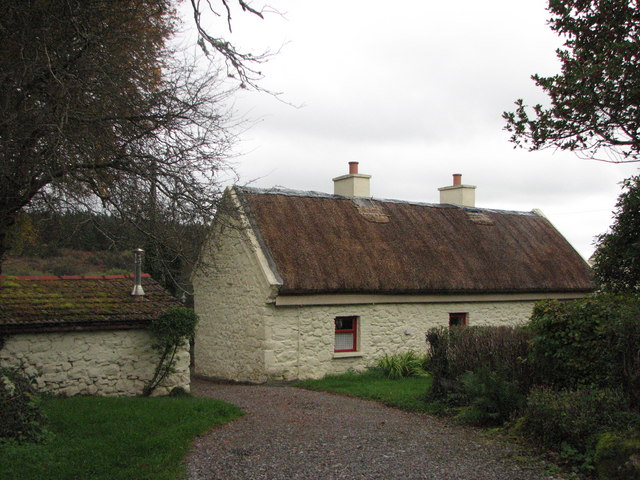
When the Priest Came to You
In The Stations tradition, the local priest visits a private home to celebrate mass for the surrounding townland. Everyone in the area is invited — sometimes expected. The entire neighbourhood gathers in someone’s front rooms, crowded together on borrowed chairs, standing in doorways, spilling into the hall.
It is deeply personal in a way that Sunday mass in a church pew never quite is.
The hosting family is the centrepiece of the morning. And with that honour comes enormous responsibility.
A Tradition Born in Secret
The Stations did not begin as a convenience. They began as survival.
During the Penal Laws of the seventeenth and eighteenth centuries, the practice of Catholicism in Ireland was made illegal. Priests were hunted. Churches were burned or commandeered. Mass could not be celebrated openly, and so it moved behind closed doors — into farmhouses, into barns, into the shelter of hedgerows on windswept hillsides.
When the Penal Laws eventually lifted, the tradition of the house mass did not die with them. It had woven itself too deeply into the fabric of rural life. The church may have been rebuilt, but The Stations carried something a church building alone could not: the intimacy of faith shared among people who actually knew each other.
The Great Scrub
Weeks before the priest arrived, the preparations began in earnest.
The house was cleaned from floor to ceiling. Walls were freshly whitewashed. Curtains were washed and rehung. Every surface was scrubbed until it gleamed. The family was hosting not just neighbours but the mass itself — and nothing could be less than perfect.
Borrowed chairs arrived from houses up and down the lane. A white cloth was laid on a table, transformed into an altar. The good crockery came out. The best baking was prepared. Women who hadn’t met in months would spend the night before The Stations working side by side in a neighbour’s kitchen.
The effort was extraordinary. But nobody was keeping score. The tradition was understood by everyone.
☘️ Enjoying this? 64,000+ Ireland lovers get stories like this every week. Subscribe free →
The Whole Townland at Your Table
After mass came confession. The priest would hear the confessions of anyone in the townland who wanted them — not in a confessional box, but in a side room, seated quietly at a kitchen table.
Then came breakfast. And this was where The Stations became truly Irish.
The family laid out food for everyone who had come — porridge, bread, eggs, tea in endless cups. Neighbours who might not have sat together in months found themselves pressed together at a long table, balancing plates on their laps, catching up on news from across the townland. Engagements were announced. Gossip was exchanged. Old grievances, occasionally, were quietly patched up over a second cup of tea.
The Stations was never just religious. It was the glue that held rural communities together. Much like the rambling house tradition where neighbours gathered after dark, it gave community life its rhythm and its reason to continue.
The Good Room’s Finest Hour
For the hosting family, there was a particular significance in which rooms were used. The good room — that carefully preserved parlour that most Irish families kept immaculate and rarely entered — finally had its moment.
The altar was laid on the good table. The good chairs came out. The room that had waited in quiet readiness for months, perhaps years, fulfilled its purpose.
It was always understood, even if never said aloud, that the good room existed partly for this.
A Tradition Quietly Fading
Today, The Stations still take place in many parts of rural Ireland. In counties like Clare, Galway, and Mayo, families still host the priest, still borrow the chairs, still bake through the night before.
But the tradition is thinning. Young families move to towns. The townlands that once held twenty households now hold five. The priest who once served a handful of local families now covers parishes that spread across vast distances.
Those who remember The Stations — who watched their mother whitewash the kitchen walls, who were packed into a corner in their school clothes while mass was read five feet away — remember something rare. Something that cannot be re-created in a church building.
They remember faith that smelled like fresh bread and candle wax and the particular stillness of a room full of people who had known each other all their lives.
If you’re planning to visit rural Ireland and want to understand the layers beneath the scenery, our Ireland trip planning guide is the best place to start.
☘️ Want More Hidden Ireland?
Join 64,000+ subscribers who discover Ireland’s best-kept secrets every week.
Subscribe Free — Join the Community →
Free forever · Unsubscribe anytime · No spam
📥 Free Download: Ireland Travel Planning Guide
Our most popular resource — itineraries, insider tips, and the 50 places you must not miss.
Tours & experiences you might love


Powered by Viator. Some links are affiliate links — we may earn a small commission at no extra cost to you.
Secure Your Dream Irish Experience Before It’s Gone!
Planning a trip to Ireland? Don’t let sold-out tours or packed attractions spoil your journey. Iconic experiences like visiting the Cliffs of Moher, exploring the Rock of Cashel, or enjoying a guided walk through Ireland’s ancient past often sell out quickly—especially during peak travel seasons.

Booking in advance guarantees your place and ensures you can fully immerse yourself in the rich culture and breathtaking scenery without stress or disappointment. You’ll also free up time to explore Ireland’s hidden gems and savour those authentic moments that make your trip truly special.
Make the most of your journey—start planning today and secure those must-do experiences before they’re gone!