

Every St Patrick’s Day, the world fills up with green hats, plastic gold coins, and the grinning cartoon figure known the world over. But if you asked a genuine Irish person what they think of the leprechaun, you’d likely see a long, slow wince.
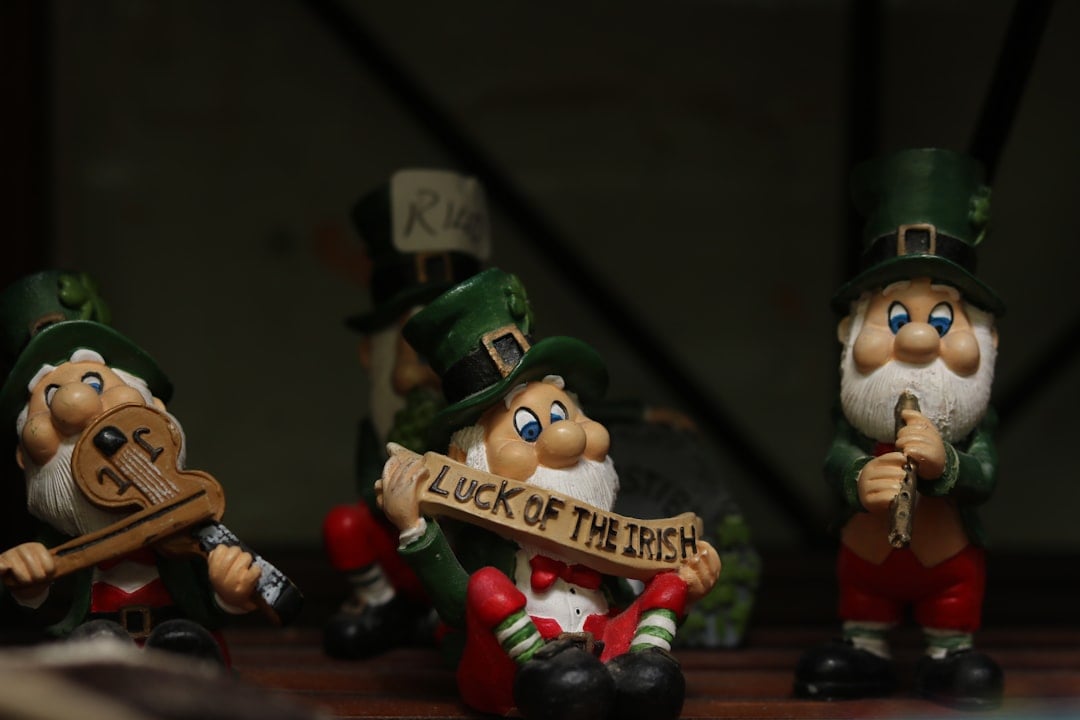
The real leprechaun — the one who lived in the imaginations of rural Ireland for centuries — is something far stranger, far quieter, and infinitely more interesting.
He Was a Cobbler, Not a Gold-Hunter
In the original Irish folklore tradition, the leprechaun (from leipreachán, thought to derive from lúchorpán — “small body”) was a solitary fairy. Not a mischievous trickster. Not a dancing mascot. A cobbler.
If you walked through the fields of old Connacht or Munster and heard the rhythmic tap-tap-tap of a tiny hammer, you were hearing a leprechaun at work. He made shoes — one shoe at a time — and that small sound was always the giveaway.
The gold coins were his payment, kept in a leather purse at his side. Catch him and he was obliged to grant you three wishes. The problem? He was far cleverer than you, and almost everyone who tried left empty-handed.
The Three-Wish Trap Was Always a Warning
Every tale of someone catching a leprechaun ends the same way: with the human outsmarted, empty-handed, and more than a little foolish.
A farmer grabs one. The leprechaun agrees to reveal buried gold — but only if the farmer marks the exact spot. The farmer ties his hat to a fence post and runs home for a spade. He returns to find his hat tied to every fence post in the field.
The stories weren’t entertainment. They were moral instruction: greed makes you stupid, and the otherworld doesn’t play by your rules.
He Belonged to a Family of Fairy Craftsmen
The leprechaun was not alone. He was part of a whole category of solitary fairies — distinct from the more sociable and dangerous sídhe (fairy folk who lived in mounds and lured humans underground).
His cousins in Irish folklore include the clurichaun — a night-wandering, wine-cellar-haunting sprite who was essentially a leprechaun with a drinking problem — and the far darrig (the Red Man), a grotesque figure in a red coat who played dark practical jokes on unsuspecting travellers.
Each had their territory, their habits, their rules. They were not interchangeable. Any Irish storyteller worth their salt would have been offended by the confusion. The fairy world of old Ireland was as structured and specific as any human village — and just as unforgiving of those who didn’t know its customs.
This is the same world that explains why Irish roads still bend around ancient fairy forts — ordinary people took these beliefs very seriously indeed.
The Green Hat Came from Hollywood, Not Ireland
The image most people carry — tiny man, buckled green hat, orange beard, dancing a jig — was largely manufactured in the 19th and 20th centuries. First by Irish-American artists nostalgic for a homeland they’d never seen, and later by Hollywood.
In the original Irish descriptions, the leprechaun wore red, not green. Red coat, red hat, silver buckles. The colour shift happened gradually as green became synonymous with Ireland in the popular imagination, and the leprechaun was dragged along with it.
By the time the cartoon version reached mass culture, it bore almost no resemblance to the solitary, clever, slightly sinister figure of the Irish countryside.
What the Leprechaun Was Really Trying to Tell You
In a world where hard work could still leave you hungry, the leprechaun was a parable dressed as a fairy tale. He represented the fantasy of sudden wealth — and the wisdom that greed, haste, and cleverness without care would never win it.
Farmers who told these stories around the fire weren’t laughing at the foolish humans in them. They were teaching their children the old truth that Ireland has always carried: that the world has its own logic, and the clever-seeming shortcut rarely leads where you think.
The real leprechaun has survived the cartoon. In the old townlands, in the folktales collected by scholars in the nineteenth century, and in the memories of people whose grandparents still half-believed in him, he endures.
He was never a mascot. He was a mirror — small, stubborn, and far wiser than he looked.
If you’d like to explore the living folklore of Ireland for yourself, our guide to planning your trip to Ireland is the best place to start — the real Ireland is still very much there, if you know where to look.
Love Ireland? So do 65,000 of us.
Join the Love Ireland newsletter — free stories of Irish heritage, hidden gems, and the magic of the Emerald Isle delivered to your inbox.
☘️ Want More Hidden Ireland?
Join 64,000+ subscribers who discover Ireland’s best-kept secrets every week.
Subscribe Free — Join the Community →
Free forever · Unsubscribe anytime · No spam
📥 Free Download: Ireland Travel Planning Guide
Our most popular resource — itineraries, insider tips, and the 50 places you must not miss.
Tours & experiences you might love


Powered by Viator. Some links are affiliate links — we may earn a small commission at no extra cost to you.
Secure Your Dream Irish Experience Before It’s Gone!
Planning a trip to Ireland? Don’t let sold-out tours or packed attractions spoil your journey. Iconic experiences like visiting the Cliffs of Moher, exploring the Rock of Cashel, or enjoying a guided walk through Ireland’s ancient past often sell out quickly—especially during peak travel seasons.

Booking in advance guarantees your place and ensures you can fully immerse yourself in the rich culture and breathtaking scenery without stress or disappointment. You’ll also free up time to explore Ireland’s hidden gems and savour those authentic moments that make your trip truly special.
Make the most of your journey—start planning today and secure those must-do experiences before they’re gone!