

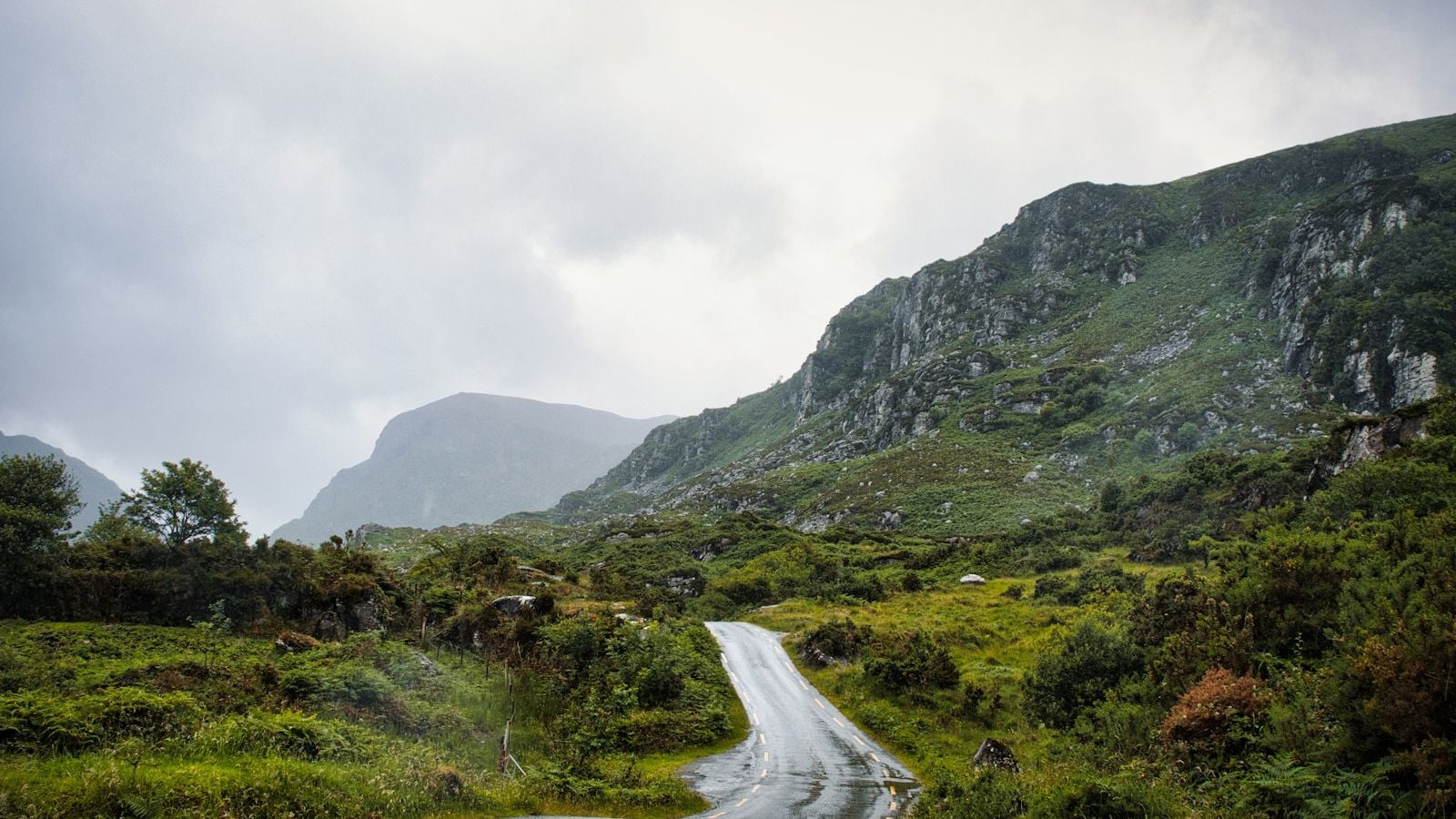
Somewhere in the Irish countryside — a quiet boreen, a field edge, a stretch of mountain road — there is said to be a patch of ground where someone died of hunger. Not a grave marked with stone or prayer. Just a strip of ordinary earth. And if you step on it without a crust of bread in your pocket, you will be struck with a hunger so sudden and overwhelming that you can barely move.
The Irish called it féar gorta. The hungry grass.
A Belief Born from the Worst Hunger in History
The Great Famine of the 1840s killed over one million people and forced another million to flee in its first years alone. Bodies were found on roadsides and in fields. People died where they stood, where they sat, where they fell.
The féar gorta legend holds that any ground where a Famine victim died — or was buried without proper rites — became cursed. The hunger that ended one life was said to seep into the earth itself, waiting patiently for the next person to walk over it.
It was as if the land had absorbed the grief.
What the Hungry Grass Does to You
According to folk tradition, the attack comes without warning. One moment you are walking normally. The next, a terrible weakness grips your legs.
A hollow, gnawing hunger pulls at your stomach — even if you ate a full meal an hour before. Dizziness follows. Then the inability to walk.
In rural Ireland, this was not metaphor. People genuinely collapsed on certain stretches of road and field. Local knowledge, passed down through families, told you which ground to avoid — and what to carry with you.
The Remedy Hidden in Your Pocket
The cure was simple and ancient. A piece of bread. A heel of soda bread, a few crackers, a dry biscuit. Anything would do.
Eating it the moment the hunger struck was said to break the spell immediately. Which is why, even into the twentieth century, old people setting out across remote countryside would slip a crust into a coat pocket without a word of explanation.
It was just what you did. No conversation required. The Irish superstitions that even rational people follow without question reveal just how many of these quiet folk protections survived long after people stopped consciously believing in them — kept alive through habit, through a mother’s warning, through the persistence of rural memory.
Where the Hungry Grass Still Lives
The western counties — Mayo, Galway, Clare, Kerry — were hit hardest by the Famine, and the tradition of féar gorta runs deepest there. In Connacht, stories of specific fields and crossroads where the hungry grass lurked were still being shared within living memory.
There is something important about how the legend encodes trauma. The Famine left no adequate monuments for decades. No official language. No state acknowledgement.
But the land remembered. The stories remembered. The féar gorta was, in some sense, a way of marking death in a culture denied the right to grieve openly.
The Fairy Dimension
Irish folklore rarely draws sharp lines between different supernatural traditions, and féar gorta is no exception. Some accounts link the hungry grass not to Famine burials but to fairy activity — places where the Good People had passed, leaving their invisible mark on the earth.
The ancient Irish tree that even modern road builders are too afraid to remove shows how deeply this respect for certain places in the landscape runs — a reverence for spots where the ordinary world and the other world brush against each other.
In this reading, féar gorta was less about the Famine and more about the fundamental Irish belief that the land itself is alive with forces beyond ordinary understanding.
Why the Legend Still Resonates
Féar gorta is not really about believing in magic. It is about carrying food. It is about preparation, solidarity, and the memory that hunger can strike anyone, anywhere, without warning.
There is also something in the legend that honours the Famine dead in a way official history took too long to do. Every person who tucked a crust into their pocket before a walk was, in some small way, acknowledging that the ground beneath their feet held sorrow.
Walking the roads and fields of the west of Ireland today — the same stones, the same hedges, the same light on the same hills — you understand why this belief survived. These are places where history feels close. Where the past is not really past.
If you are planning a journey through Ireland’s most storied landscapes, start with this planning guide to find the routes where that ancient connection still hums beneath every step.
Take a crust of bread when you go. Not because you believe in the hungry grass. But because someone once did. And because it costs nothing to carry a memory with you.
Love Ireland? So do 65,000 of us.
Join the Love Ireland newsletter — free stories of Irish heritage, hidden gems, and the magic of the Emerald Isle delivered to your inbox.
☘️ Want More Hidden Ireland?
Join 64,000+ subscribers who discover Ireland’s best-kept secrets every week.
Subscribe Free — Join the Community →
Free forever · Unsubscribe anytime · No spam
📥 Free Download: Ireland Travel Planning Guide
Our most popular resource — itineraries, insider tips, and the 50 places you must not miss.
Tours & experiences you might love


Powered by Viator. Some links are affiliate links — we may earn a small commission at no extra cost to you.
Secure Your Dream Irish Experience Before It’s Gone!
Planning a trip to Ireland? Don’t let sold-out tours or packed attractions spoil your journey. Iconic experiences like visiting the Cliffs of Moher, exploring the Rock of Cashel, or enjoying a guided walk through Ireland’s ancient past often sell out quickly—especially during peak travel seasons.

Booking in advance guarantees your place and ensures you can fully immerse yourself in the rich culture and breathtaking scenery without stress or disappointment. You’ll also free up time to explore Ireland’s hidden gems and savour those authentic moments that make your trip truly special.
Make the most of your journey—start planning today and secure those must-do experiences before they’re gone!