

Deep in an Irish bog, somewhere between the tufts of bog cotton and the dark, peaty water, a farmer’s hand placed a wooden keg and pressed it into the earth. That was perhaps 3,000 years ago. When it was eventually found, the contents — pale, waxy, and faintly pungent — were still butter.
Not metaphorically. Actually, genuinely, butter.
Ireland’s Ancient Refrigerators
Irish bogs are remarkable things. They are cold, waterlogged, and almost entirely lacking in oxygen. They are also highly acidic.
For the microbes that cause decay, a bog is a hostile environment. For the things people buried in bogs, it is something closer to a freezer.
Irish people have been using this to their advantage for millennia. Among the hundreds of objects retrieved from Irish bogs — leather shoes, human remains, ancient swords — bog butter stands out as one of the most strangely poignant discoveries. It was somebody’s food, carefully packed and put away. And it survived.
How the Butter Was Preserved
The chemistry is straightforward, even if the result feels miraculous.
Butter is mostly fat. Fats, when sealed away from air and light in a cold, acidic environment, resist oxidation. They change over time — becoming denser, harder, more waxy — but they do not decompose the way plant or muscle tissue does.
In a bog, the tannins in the peat also play a role, binding with fats and proteins and slowing any degradation further. The result, after centuries or millennia, is something that still smells faintly of dairy. Analysts who have examined bog butter consistently describe it as having a cheese-like odour. Not pleasant in the modern sense, perhaps. But unmistakably food.
Who Buried It — and Why
☘️ Love Irish Food & Culture?
Every Wednesday, we send our best Irish recipes, food stories, and kitchen traditions straight to your inbox. Join 64,000+ readers who love Ireland.
Scholars believe bog butter was buried for several reasons, and not all of them agree on which was most common.
The most practical explanation is preservation. Before refrigeration, before salt barrels and root cellars, the bog offered something remarkable: a place cold and airless enough to keep dairy food stable for months or even years.
Butter was also a form of wealth. In early Irish society, cows were among the most valuable possessions a family could hold. Storing surplus butter underground may have been the equivalent of depositing money in a bank — a hedge against a bad harvest or a hard winter.
Some researchers have suggested a third possibility: that the butter was a ritual offering, placed in the bog as a gift to the spirits of the land, never intended to be retrieved at all.
The Numbers Are Staggering
More than 450 lumps of bog butter have been found in Ireland and Scotland. Some are small — a fistful pressed into a wooden vessel or wrapped in bark. Others are considerably larger, weighing several kilograms.
The National Museum of Ireland in Dublin holds some of the most significant examples. Seeing a small, waxy lump in a glass case and knowing that someone buried it before the Iron Age is quietly astonishing — and well worth including when planning your trip to Ireland.
Has Anyone Actually Tasted It?
A few brave people have tried, though not the original specimens — those belong in museums. Some researchers and food historians have attempted to recreate bog butter using traditional methods, burying fresh Irish dairy butter in peat bogs for months before retrieving it.
The results are described as intensely flavoured, deeply savoury, and with a slightly gamey edge — something like aged blue cheese or a bold farmhouse cheddar. Not everyone is keen. But the flavour is entirely real.
The practice of burying or ageing butter never entirely vanished. Traditional recipes from parts of Ireland mention the use of bog butter well into the 19th century. It is one of the longest-running food traditions on the island, stretching from the Bronze Age to within living memory — much like Ireland’s tradition of hidden and forbidden foods that survived against the odds.
A Living Tradition in a Strange Package
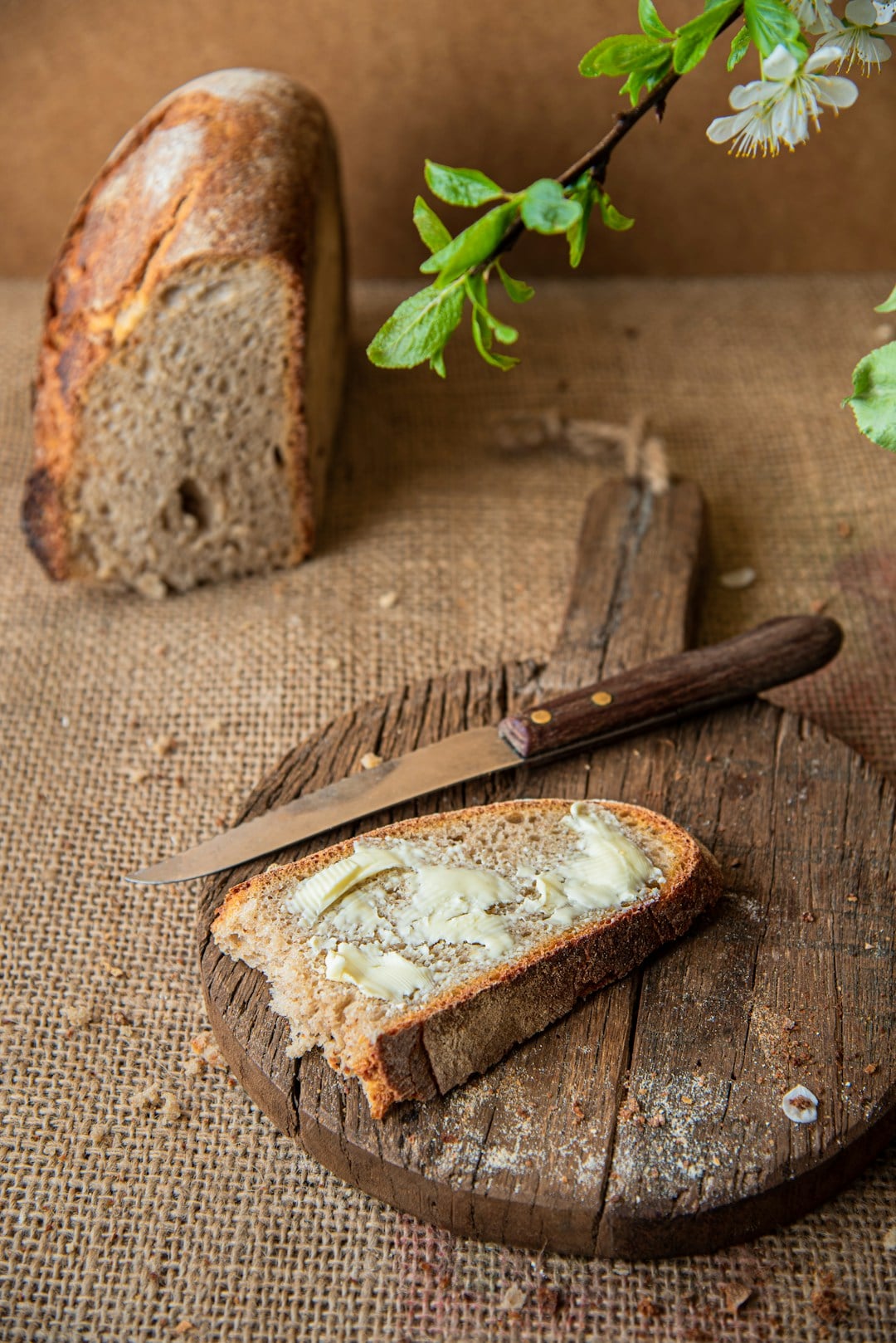
Every time you spread butter on a slice of soda bread, you are participating in a tradition that stretches back thousands of years. The cows were different. The farms were different. The world was entirely different. But the act — preserving something nourishing and passing it on — is the same.
Ireland’s bogs are still out there, dark and patient, holding whatever else has been quietly forgotten. And every so often, the earth gives something back.
If you are thinking of including the National Museum in your visit, it fits naturally into a seven-day Ireland itinerary that takes in Dublin before heading west along the Wild Atlantic Way.
☘️ You Might Also Love
64,000 Ireland lovers can’t be wrong.
Every week, our free newsletter delivers hidden gems, seasonal guides, local stories, and practical travel tips — straight to your inbox. Join the community that loves Ireland as much as you do.
☘️ Get More Irish Recipes & Stories
Join 64,000+ readers for weekly Irish recipes, food traditions, travel guides, and hidden gems. Free every morning.
📥 Free Download: Ireland Travel Planning Guide
Our most popular resource — itineraries, insider tips, and the 50 places you must not miss.
Tours & experiences you might love


Powered by Viator. Some links are affiliate links — we may earn a small commission at no extra cost to you.
Secure Your Dream Irish Experience Before It’s Gone!
Planning a trip to Ireland? Don’t let sold-out tours or packed attractions spoil your journey. Iconic experiences like visiting the Cliffs of Moher, exploring the Rock of Cashel, or enjoying a guided walk through Ireland’s ancient past often sell out quickly—especially during peak travel seasons.

Booking in advance guarantees your place and ensures you can fully immerse yourself in the rich culture and breathtaking scenery without stress or disappointment. You’ll also free up time to explore Ireland’s hidden gems and savour those authentic moments that make your trip truly special.
Make the most of your journey—start planning today and secure those must-do experiences before they’re gone!