

How many of Ireland’s 32 counties can you name? ☘️
Counties of Ireland — the geography-quiz tool. Place all 32 on the map and see if you can beat the average.
County Kilkenny is where Ireland’s medieval past lives on in stone, in story, and in the very rhythm of daily life. Compact enough to explore on foot yet rich enough to hold your attention for days, this south-eastern county delivers a concentration of history, craft, and cultural energy that few places in Ireland can match. Locals call it the Marble City — a name earned not from marble quarries but from the dark Kilkenny limestone that lines its streets and gives the city its distinctive, elegant character.
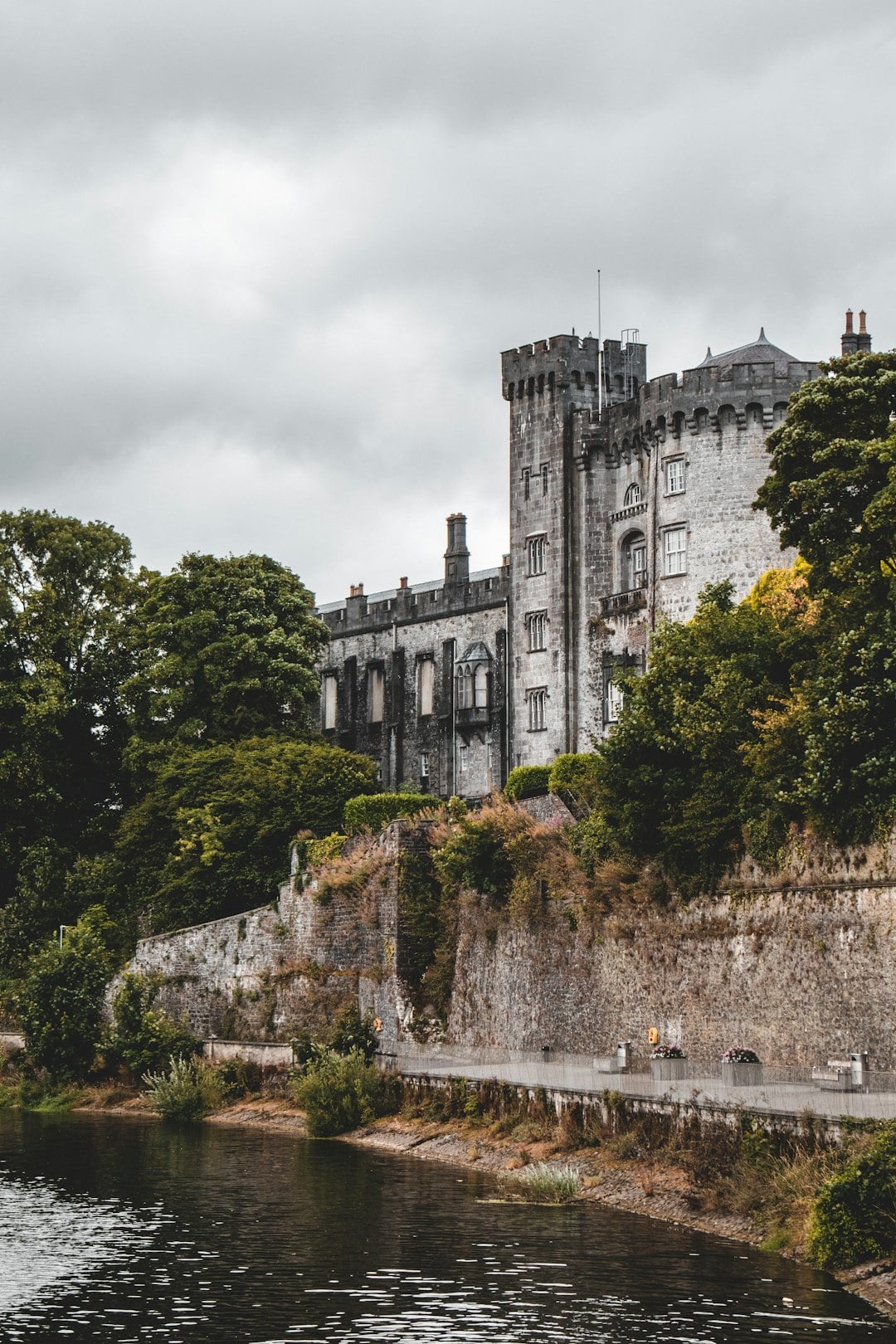
Kilkenny Castle
Standing above the River Nore since the 12th century, Kilkenny Castle is the county’s defining landmark and one of the finest Norman castles in Ireland. Built by William Marshal, the great Earl of Pembroke, it served for centuries as the seat of the powerful Butler family, the Earls and Dukes of Ormonde. The castle has been besieged, rebuilt, extended, and finally restored to magnificent condition by the Irish state in the 1960s. Today its Long Gallery — with its painted ceiling and collection of portraits — is one of the most impressive rooms in any Irish castle. The parklands surrounding it are beautifully maintained and free to enter, making them a gathering place for locals and visitors alike at every hour of the day.
The Medieval Mile
Kilkenny’s Medieval Mile stretches from the castle northward to St Canice’s Cathedral, following the ancient spine of the city through narrow lanes, merchant houses, and archways that have stood since the 13th century. Along this route you will find Rothe House — a Tudor merchant’s townhouse built in 1594, now home to a museum and a remarkable walled garden — and the Medieval Mile Museum, housed in the former St Mary’s Church. The museum’s collection of carved tomb effigies is exceptional, each stone figure telling the story of the Norman families who shaped this city. Walking the Mile on a quiet morning, with the limestone walls catching the light, you feel the weight of eight centuries pressing gently against the present.
St Canice’s Cathedral and Round Tower
At the northern end of the Medieval Mile, St Canice’s Cathedral has stood since the 13th century on a site of worship far older than that. The cathedral itself is a masterpiece of early Gothic architecture — soaring, proportioned, and filled with remarkable medieval monuments and carved stone. But the true prize stands beside it: a perfectly preserved round tower dating to the 6th century, one of only two in Ireland that visitors can climb. The view from the top, across Kilkenny’s rooftops and out over the green Nore valley, is breathtaking and worth every step of the narrow, winding ascent. This tower was ancient when the Normans arrived. It is a thread connecting Kilkenny to the earliest days of Christian Ireland.
☘️ Enjoying this? 64,000+ Ireland lovers get stories like this every week. Subscribe free →
The Black Abbey
Founded in 1225 by the Dominican friars, the Black Abbey has survived dissolution, destruction, and centuries of neglect to emerge as one of Kilkenny’s most atmospheric places of worship. Its great Rosary Window — a stunning stained-glass creation installed in the 1890s — floods the interior with coloured light on sunny afternoons. The abbey sits slightly off the tourist trail, which gives it a contemplative quiet that the more famous sites sometimes lack. For those interested in the deeper layers of Kilkenny’s religious history, it is an essential stop.
☘️ Enjoying this journey through Kilkenny?
Join 64,000+ readers who get stories like this delivered free every morning.
Craft and Design
Kilkenny has long been Ireland’s capital of craft and design, a tradition that stretches back to the establishment of the Kilkenny Design Workshops in 1963. The National Design and Craft Gallery, housed in the former castle stables, showcases the best of Irish contemporary craft — ceramics, textiles, woodwork, and metalwork of extraordinary quality. The city’s creative energy spills into its shops, studios, and markets, where you will find potters, jewellers, and weavers working in traditions that connect directly to Kilkenny’s medieval guild heritage. The annual Kilkenny Arts Festival, held each August, draws performers and artists from across the world and transforms the city into an open-air stage for ten electric days.
The River Nore and the Countryside
Beyond the city walls, County Kilkenny unfolds into gentle farmland and wooded river valleys that reward those willing to explore. The River Nore — one of Ireland’s finest salmon and trout rivers — winds through the county past the picturesque villages of Thomastown and Inistioge, both regularly cited among the most beautiful villages in Ireland. Inistioge in particular, with its tree-lined square and arched stone bridge, has served as a location for several films and retains a timeless quality that feels almost impossibly perfect. Nearby, the ruins of Jerpoint Abbey — a 12th-century Cistercian monastery with extraordinary carved cloisters — offer another layer of medieval history in a setting of deep rural calm.
Dunmore Cave
Just north of the city, Dunmore Cave descends into the limestone bedrock that defines so much of Kilkenny’s character. This show cave, managed by the Office of Public Works, contains impressive calcite formations and a dark history — Viking-era coin hoards have been found here, and historical sources record a devastating Viking raid on the cave in 928 AD. The guided tour takes you deep into the cavern system, where the formations have been growing for thousands of years in absolute silence. It is a reminder that Kilkenny’s story extends far beyond its medieval streets, deep into the rock itself.
A County That Rewards the Curious
Kilkenny’s genius lies in its concentration. Within a small compass you find a Norman castle, a round tower older than most European cities, the finest medieval streetscape in Ireland, and world-class craft and design. It is a county where the past is not preserved behind glass but lived in — where you can drink a pint in a pub that has served customers since the 14th century and walk streets that medieval merchants would still recognise. Kilkenny does not shout for attention. It simply stands there, beautiful and assured, waiting for those who know enough to look.
County Kilkenny is part of our 32 Counties of Ireland series — celebrating every corner of the island, one county at a time.
☘️ Love learning about Ireland’s counties?
Join 64,000+ readers exploring Ireland — one story at a time. Free every morning.
☘️ You Might Also Love
☘️ Join 64,000+ Ireland Lovers
Every Friday, get Ireland’s hidden gems, local secrets, and travel inspiration — the kind you won’t find in any guidebook.
Free forever · · Unsubscribe anytime
☘️ Want More Hidden Ireland?
Join 64,000+ subscribers who discover Ireland’s best-kept secrets every week.
Subscribe Free — Join the Community →
Free forever · Unsubscribe anytime · No spam
📥 Free Download: Ireland Travel Planning Guide
Our most popular resource — itineraries, insider tips, and the 50 places you must not miss.
Planning a trip to Ireland?
Download our Free Ireland Travel Planner 2026 — the complete guide to planning your perfect Irish adventure. Join 170,000+ subscribers who love Ireland!
Tours & experiences you might love


Powered by Viator. Some links are affiliate links — we may earn a small commission at no extra cost to you.
Secure Your Dream Irish Experience Before It’s Gone!
Planning a trip to Ireland? Don’t let sold-out tours or packed attractions spoil your journey. Iconic experiences like visiting the Cliffs of Moher, exploring the Rock of Cashel, or enjoying a guided walk through Ireland’s ancient past often sell out quickly—especially during peak travel seasons.

Booking in advance guarantees your place and ensures you can fully immerse yourself in the rich culture and breathtaking scenery without stress or disappointment. You’ll also free up time to explore Ireland’s hidden gems and savour those authentic moments that make your trip truly special.
Make the most of your journey—start planning today and secure those must-do experiences before they’re gone!