

County Wicklow sits just south of Dublin, yet most visitors rush straight past it on their way to Kerry or Connemara. That is a mistake. Wicklow packs more variety into a small space than almost anywhere else in Ireland — ancient monastic ruins, formal estate gardens, wild mountain moorland, long sandy beaches, and a walking trail that crosses the county from north to south.
This is a practical guide to the best things to do in County Wicklow.
- Glendalough — 6th-century monastic ruins and a round tower in a glacial valley.
- Powerscourt — formal gardens and Ireland’s highest waterfall.
- Wicklow Mountains National Park — the largest national park in Ireland.
- The Wicklow Way — a 127km waymarked walking trail.
- Bray to Greystones cliff walk — an easy coastal path with sea views.
- Brittas Bay — a Blue Flag beach backed by sand dunes.
Enjoyed reading this? Our free weekly newsletter delivers Ireland travel ideas, local history, and hidden gems straight to your inbox. Subscribe here — it’s completely free.
Glendalough
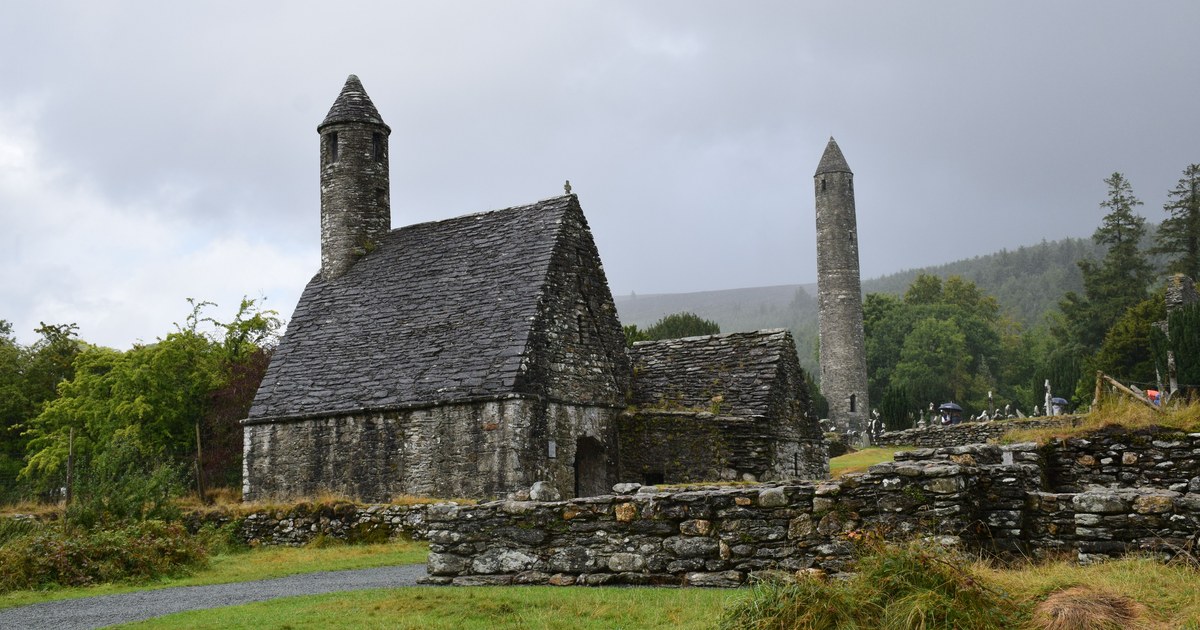
Glendalough — meaning “valley of two lakes” in Irish — is the most visited site in Wicklow, and rightly so. St Kevin founded the monastic settlement here in the 6th century. It grew into one of the most important centres of early Christian learning in Europe.
The round tower at Glendalough is one of the best-preserved in Ireland. Built between the 9th and 12th centuries, it stands around 30 metres tall and was likely used as a bell tower, lookout post, and place of refuge during Viking raids up the valley.
Beyond the tower, the site includes the remains of several churches, a gatehouse, and two lakes set against steep wooded hillsides. The lower lake car park and visitor centre get busy in summer — arrive before 9am or after 4pm to avoid the worst of the crowds.
Practical info: The Glendalough Visitor Centre (OPW) opens daily. Entry to the site is free; there is a fee for the visitor centre exhibition. Car parking charges apply. Official info: en.wikipedia.org/wiki/Glendalough.
Powerscourt Estate and Gardens
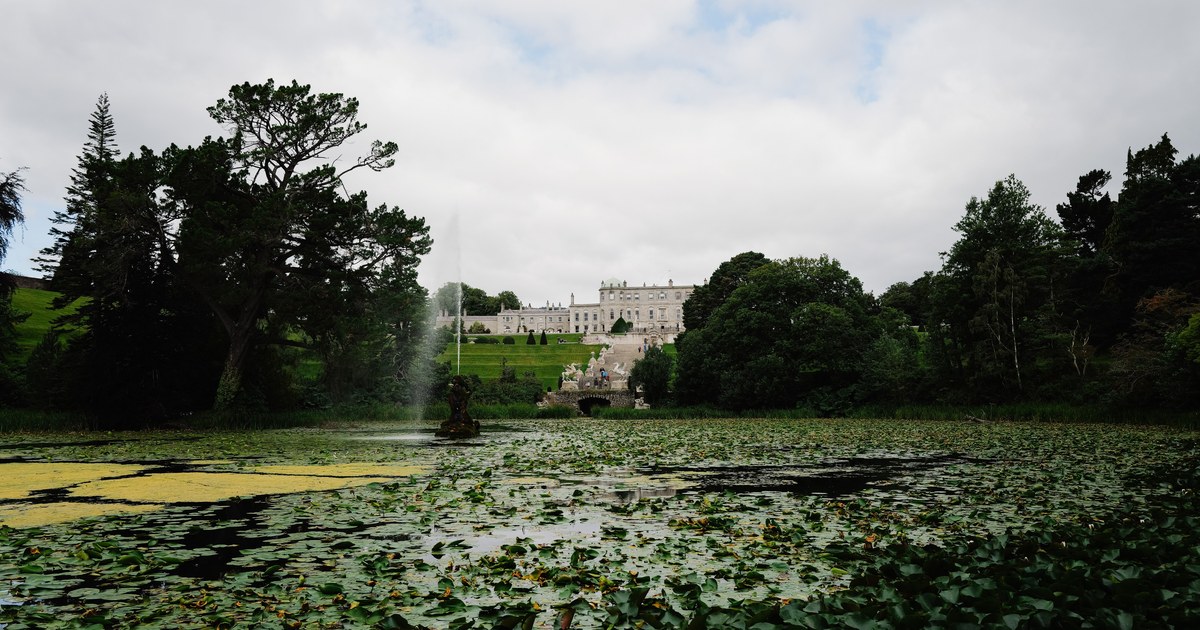
Powerscourt Estate, outside the village of Enniskerry, contains some of the finest formal gardens in Ireland. The grounds cover 47 acres and look north towards the Great Sugar Loaf mountain — a backdrop that few gardens in Europe can match.
The terraced Italian garden, the Japanese garden, and the walled kitchen garden are all worth your time. A fire gutted the house in 1974, and workers only partly rebuilt it. The ground floor is now a shopping centre, which feels odd given the setting, but the gardens more than make up for it.
Powerscourt Waterfall, about 6km from the main house, is a separate attraction worth the short drive. At 121 metres, it is among the highest waterfalls in Ireland.
Practical info: The gardens charge an entry fee. The waterfall has separate admission. Allow at least two hours for the gardens alone.
Wicklow Mountains National Park
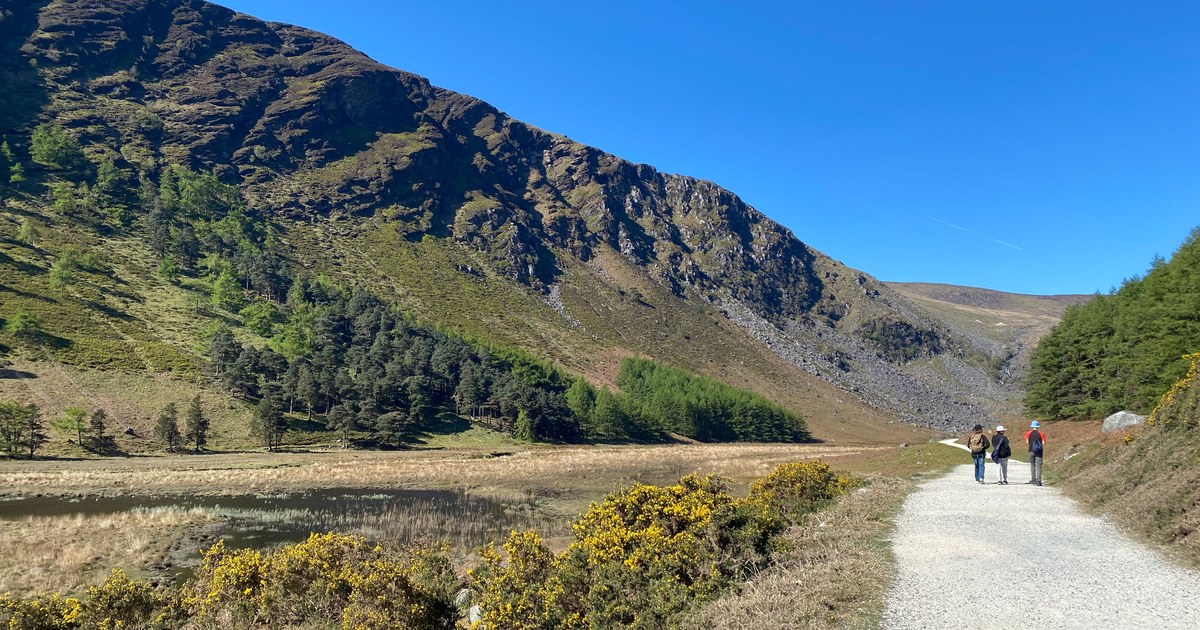
The Wicklow Mountains National Park covers around 23,000 hectares of upland blanket bog, heath, and oak woodland — making it the largest national park in Ireland.
The British built the military road through the heart of the park after the 1798 Rebellion. They wanted quick access to the mountain areas where rebels had taken refuge. Today it makes for an excellent drive, with stopping points at Sally Gap and the Glenmacnass Waterfall.
The park has several well-marked walking trails at varying difficulty levels. The Spinc ridge walk above the upper lake at Glendalough is one of the best. It offers wide views across the valley, and most fairly fit walkers can finish it in half a day.
Practical info: No admission charge to enter the park. Walking maps are available at the Glendalough visitor centre or downloadable from the national park website. Official info: en.wikipedia.org/wiki/Wicklow_Mountains_National_Park.
The Wicklow Way
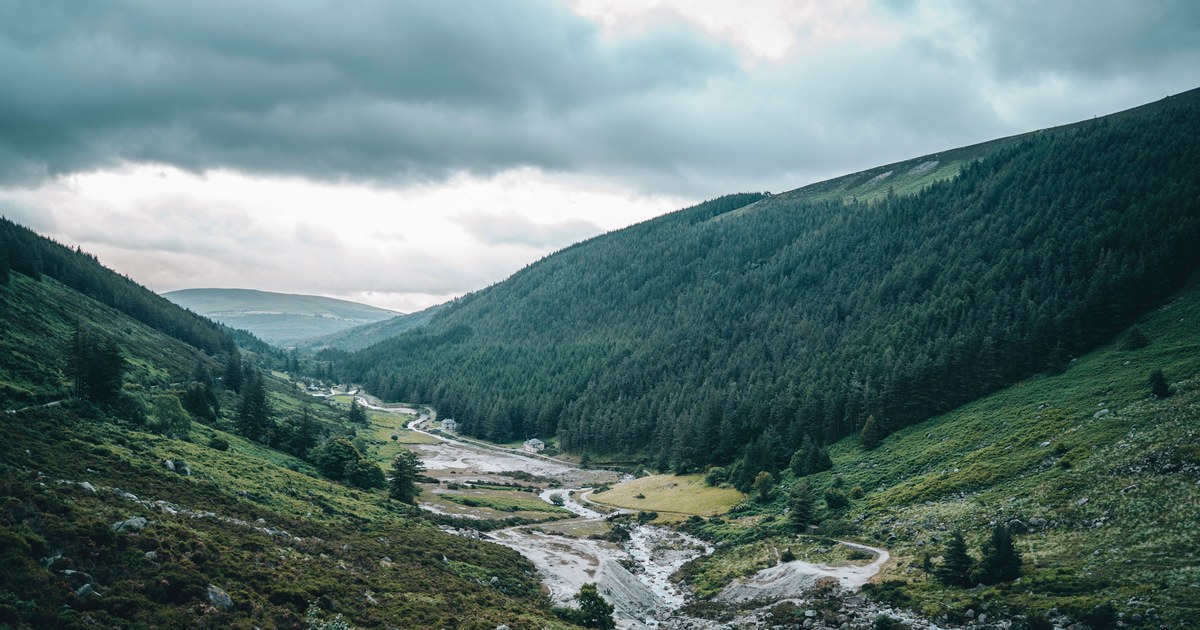
The Wicklow Way is a 127km walking trail running from Marlay Park in Dublin to Clonegal in County Carlow, passing through the heart of Wicklow. Opened in 1980, it was the first long-distance waymarked walking route in the Republic of Ireland.
Most walkers take five to seven days to complete the full route. Day sections are easy to plan — the trail passes through Enniskerry, Roundwood, Glendalough, Glenmalure, and Tinahely, with accommodation at regular intervals.
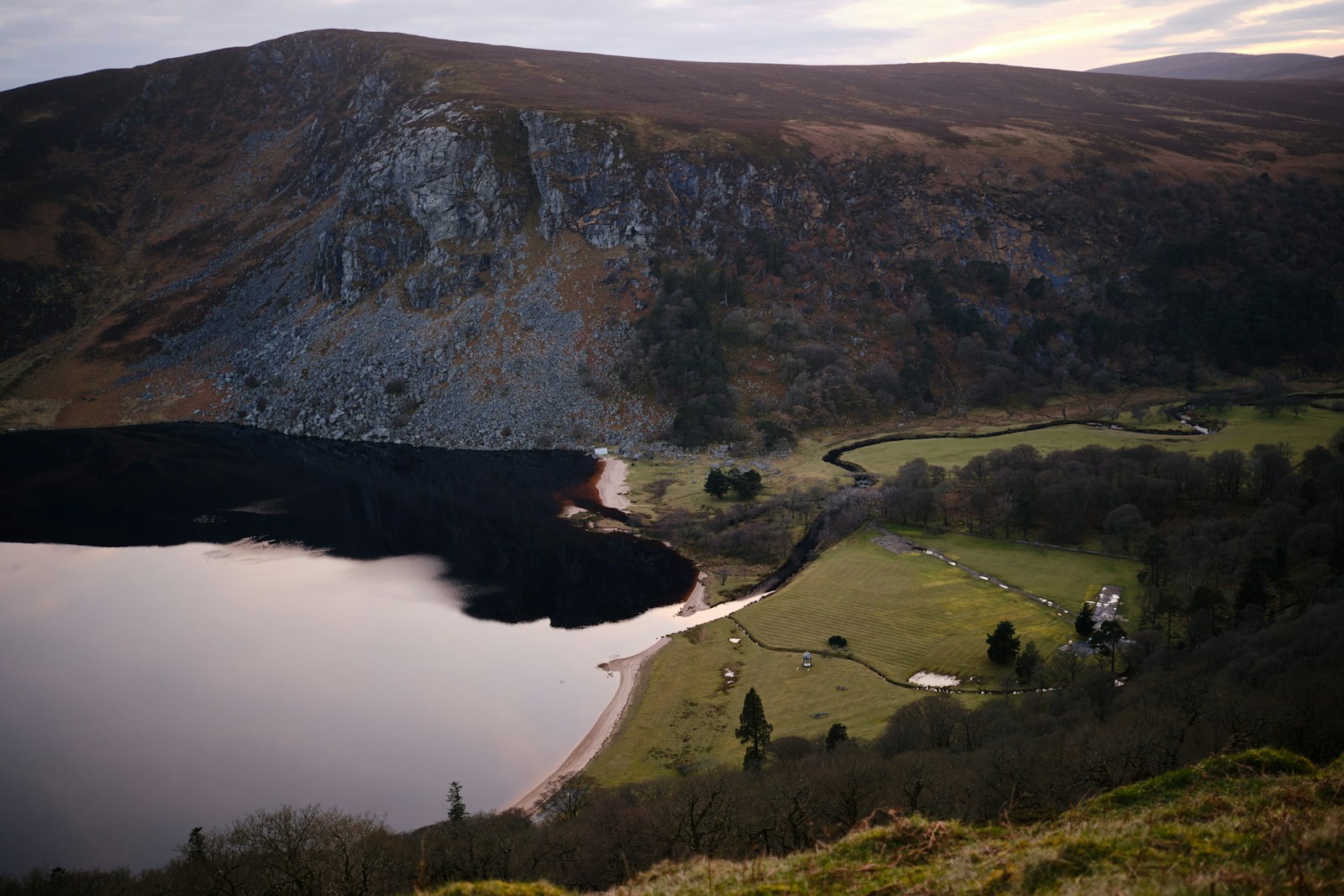
The section between Enniskerry and Glendalough is the most dramatic, crossing the high ground above Lough Tay — known locally as the “Guinness Lake” because of its dark water and white sandy shore that resembles a pint of stout.
Practical info: OS maps for the route are available from outdoor shops. The Wicklow Way website has stage-by-stage descriptions and accommodation listings.
Want more ideas for exploring Ireland? Every week our newsletter covers travel, heritage, and culture from across the island — all free. Sign up and join the community.
Avoca Village
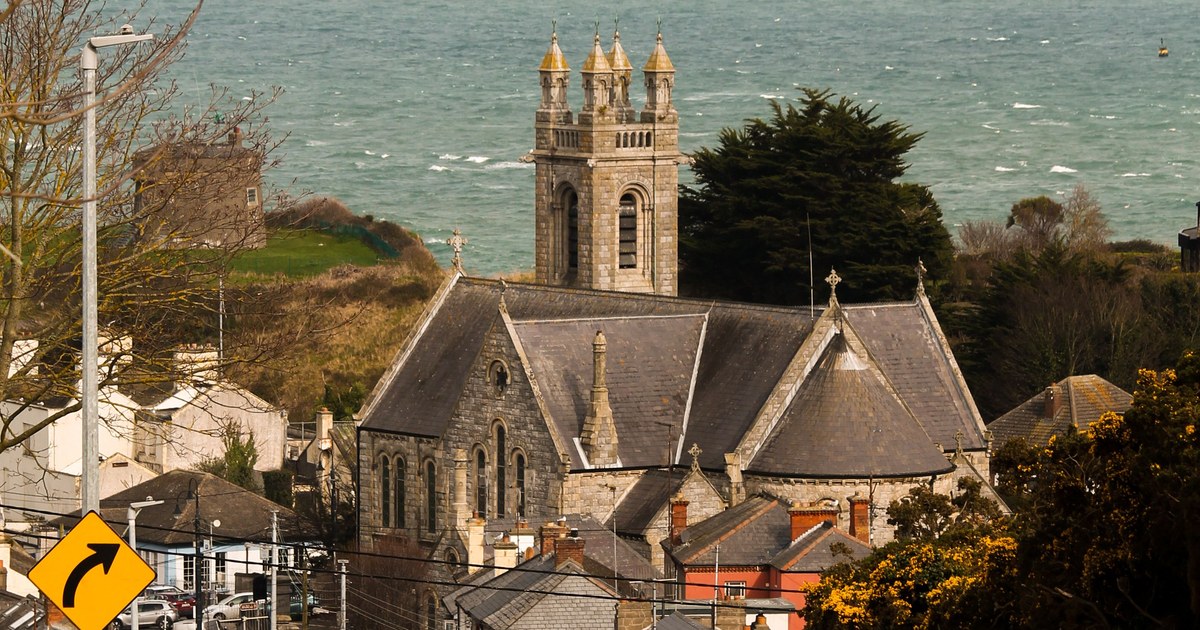
Avoca, in the Vale of Avoca in south Wicklow, is famous for two things. The first is the Avoca Handweavers mill, which has woven cloth on this site since 1723. The second: a TV crew filmed the series Ballykissangel here during the 1990s.
Today it is the oldest working woollen mill in Ireland. You can watch the weaving process in the production areas, and buy blankets, throws, and clothing in the shop. The café at the mill is one of the better lunch stops in the county.
The Vale of Avoca was made famous by the poet Thomas Moore, who wrote The Meeting of the Waters about the confluence of the Avonmore and Avonbeg rivers just outside the village. Official info: en.wikipedia.org/wiki/Avoca_(village),_New_York.
Bray and the Cliff Walk
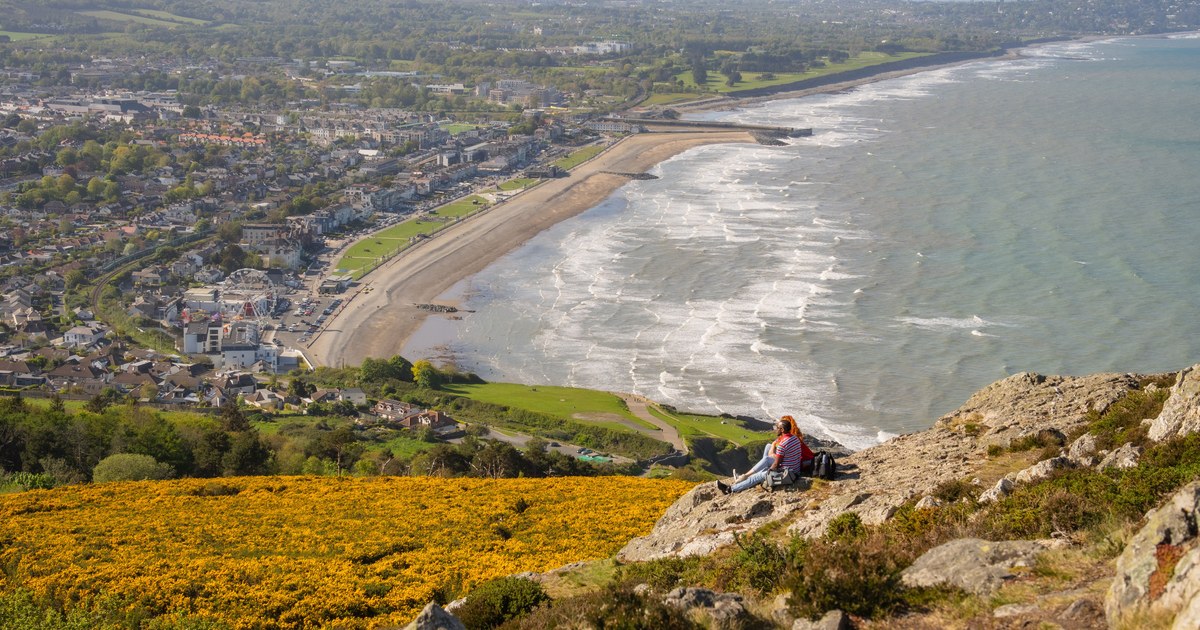
Bray is the largest town in Wicklow and the southern terminus of the Dublin DART commuter rail line, making it the most easily accessible part of the county from the city.
The cliff walk from Bray to Greystones runs along the headland for about 6km and takes around two hours at a comfortable pace. It offers good views south along the Wicklow coast and stays well cared for throughout. The walk can also be done in reverse from Greystones, with the DART back from Bray at the end. Plan your visit: The Bray to Greystones Cliff Walk on Discover Ireland.
Wicklow’s Beaches
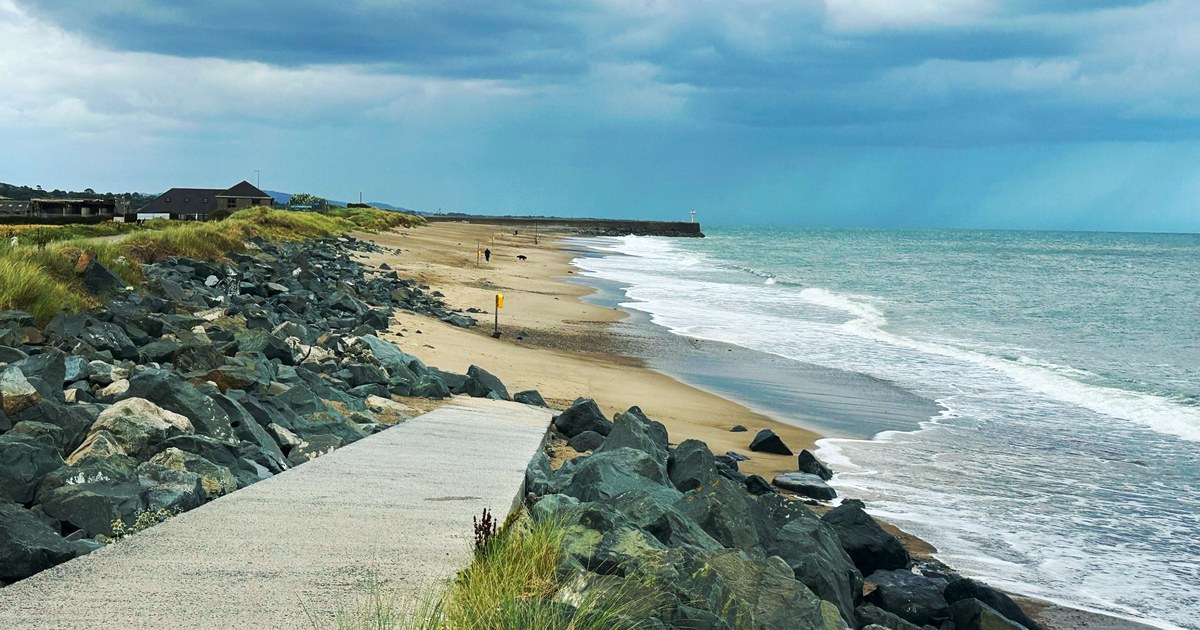
County Wicklow has several good beaches that are noticeably less crowded than those closer to Dublin.
Brittas Bay is the most popular, with about 5km of sand dunes and a Blue Flag beach. It gets very busy on sunny weekends in July and August — a weekday visit is far more enjoyable.
Silver Strand at Wicklow town is a smaller, quieter beach within easy walking distance of the town centre.
Jack’s Hole, near Brittas Bay, is a smaller cove that draws local surfers when the swell picks up. Plan your visit: Brittas Bay on Discover Ireland.
Wicklow Historic Gaol
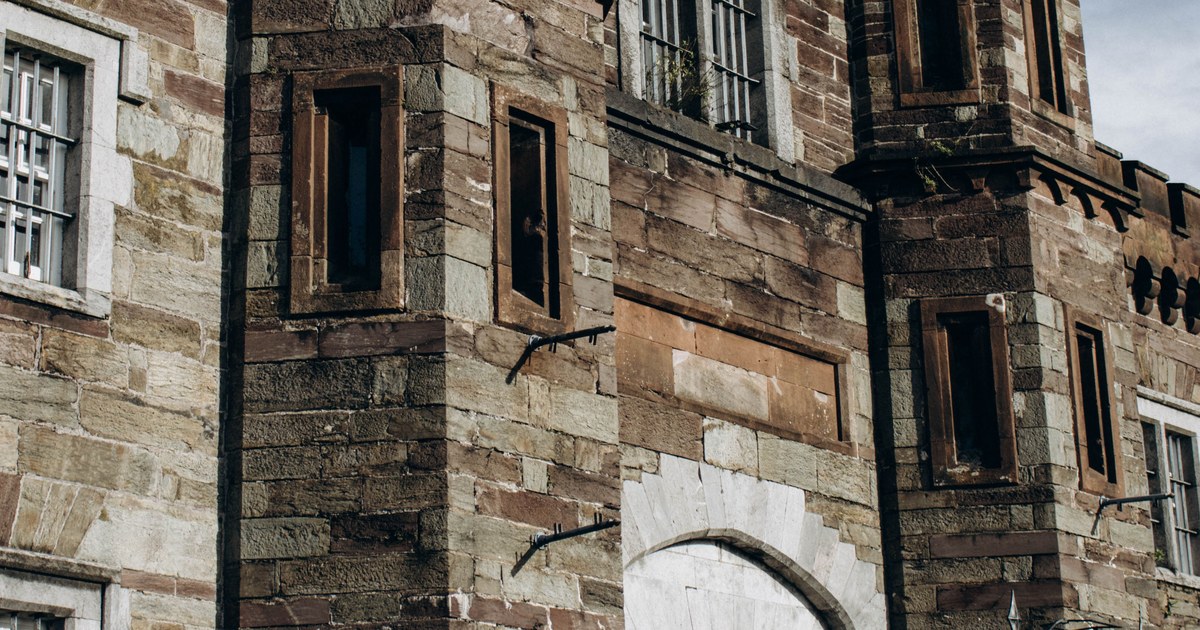
Wicklow Historic Gaol is a restored 18th-century prison in Wicklow town. The interactive tour covers the history of the building and the stories of prisoners held here — including those transported to Australia after the 1798 Rebellion and during the Great Famine.
It is a better attraction than many visitors expect — well-presented, not overly long, and genuinely informative about one of the darker chapters of Irish history.
Practical info: Admission charged. Located in Wicklow town centre. Allow around 90 minutes. Official info: en.wikipedia.org/wiki/Wicklow%27s_Historic_Gaol.
Getting to and Around Wicklow
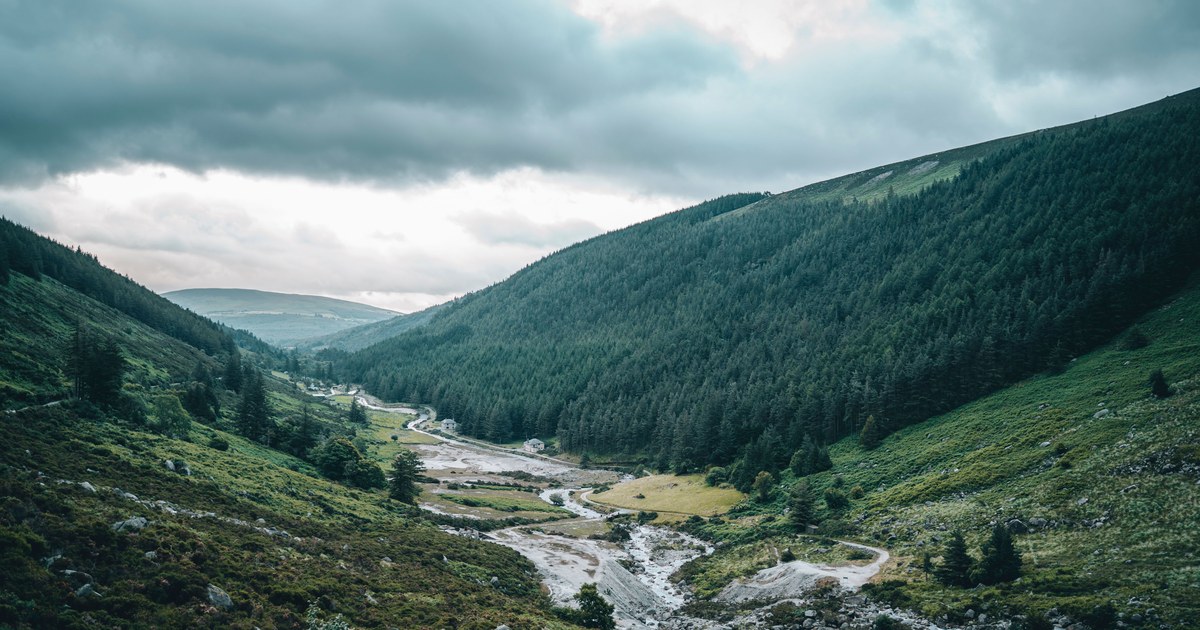
By car from Dublin, most of Wicklow is within an hour to 90 minutes. Glendalough sits about 60km south of the city centre via the N11 and R755.
By public transport, the DART runs to Bray and Greystones. Bus Éireann and Dublin Coach operate regular services to Wicklow town and Arklow. Getting to Glendalough without a car requires some planning — St Kevin’s Bus runs a direct service from Dublin city centre to Glendalough. It runs on a limited schedule, so check the timetable before you travel.
Where to Stay
The village of Laragh, about 3km from Glendalough, has several guesthouses and B&Bs and is the most convenient base for exploring the valley and the national park. For accommodation options near the valley, see our guide to hotels near Glendalough.
Enniskerry is the best base for Powerscourt and the northern part of the county, and benefits from its easy access to Dublin. Wicklow town works well for the south of the county, including the beaches and the Gaol.
Wicklow is one of those counties that rewards a slow visit. If you are planning a trip to Ireland and want to explore beyond the well-worn tourist trail, it is worth setting aside at least two or three days.
Frequently Asked Questions
What is Wicklow best known for?
Wicklow is known as the Garden of Ireland. Visitors come for Glendalough’s monastic ruins, the formal gardens at Powerscourt, and the mountain scenery of the Wicklow Mountains National Park.
How far is Wicklow from Dublin?
Most of Wicklow is an hour to 90 minutes from Dublin by car. Glendalough sits about 60km south of the city. The DART train also reaches Bray and Greystones in the north of the county.
When is the best time to visit Wicklow?
Late spring and early autumn are ideal. The weather is mild, the gardens look their best, and the main sites stay quieter than in the July and August peak.
Do you need a car to explore Wicklow?
A car helps you reach the mountains and remote beaches. You can still see plenty without one: the DART serves Bray and Greystones, and St Kevin’s Bus runs from Dublin to Glendalough on a limited schedule.
For weekly Ireland travel ideas, local history, and things to do across the island, join our free newsletter. Subscribe here — thousands of Ireland lovers already do.
Photo: Shutterstock
Thinking about it for retirement?
If you’ve started thinking seriously about retiring there, our complete our full Retire in Ireland guide covers the visa, healthcare, cost-of-living, and the regions worth shortlisting.
Tours & experiences you might love


Powered by Viator. Some links are affiliate links — we may earn a small commission at no extra cost to you.
Secure Your Dream Irish Experience Before It’s Gone!
Planning a trip to Ireland? Don’t let sold-out tours or packed attractions spoil your journey. Iconic experiences like visiting the Cliffs of Moher, exploring the Rock of Cashel, or enjoying a guided walk through Ireland’s ancient past often sell out quickly—especially during peak travel seasons.

Booking in advance guarantees your place and ensures you can fully immerse yourself in the rich culture and breathtaking scenery without stress or disappointment. You’ll also free up time to explore Ireland’s hidden gems and savour those authentic moments that make your trip truly special.
Make the most of your journey—start planning today and secure those must-do experiences before they’re gone!
Subscribe Free