

There is a sponge cake recipe that every home baker quietly searches for — one that rises beautifully every single time, stays moist for days, and has a crumb so tender it practically melts. Chris from The Irish Baker Abroad channel has baked this particular vanilla sponge hundreds of times. He calls it his “go-to.” After watching him make it, you will understand exactly why.
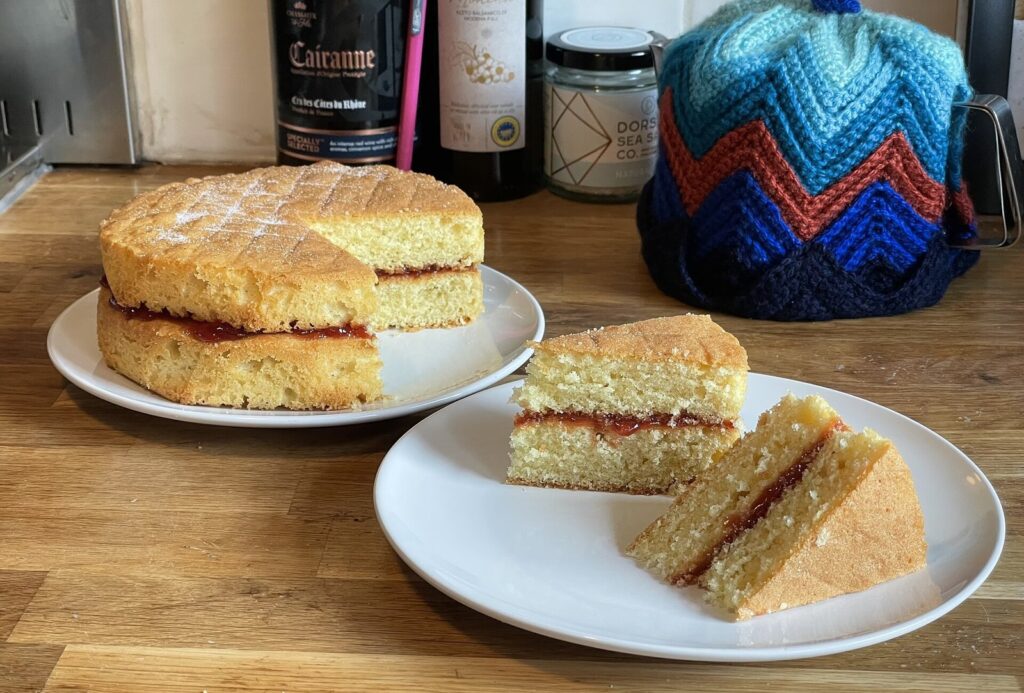
The secret to this recipe lies in two clever techniques: warming the liquid before it joins the batter, and tempering it first so the eggs never scramble. It sounds technical. In practise, it takes about 30 extra seconds and delivers a completely different result. The texture is soft, even, and genuinely moist — the kind of sponge you find in a serious bakery, not a dry disappointment from a box mix.
Why This Vanilla Sponge Cake Works Every Time
Most home bakers default to the creaming method — beating butter and sugar together before adding eggs. It works, but it is unforgiving. Overbeat the butter or add the eggs too fast and you end up with a curdled mess. Chris takes a different approach entirely, one rooted in how professional bakeries achieve a consistent, light crumb at scale.
His method starts with whipping the eggs and sugar together on high speed for a full seven minutes. This builds volume and creates a thick, ribbon-stage mixture that acts as the backbone of the sponge. The warm liquid — oil and milk heated together — gets folded in last, and because oil does not solidify at room temperature the way butter does, the finished cake stays moist even after a day or two in the tin.
One detail Chris mentions that most recipes overlook: do not grease the sides of your cake pans. Only the base needs parchment. If you grease the sides, the batter slides away from the tin walls as it bakes and you end up with a cake that has a triangular cross-section — wider at the top than the bottom. An ungreased side gives the batter something to cling to as it rises, producing that flat, even top ideal for stacking and filling. It is a small thing. It makes a large difference.
Whether you are building a classic Victoria sponge filled with jam and whipped cream, a layered birthday cake for someone special, or simply a reliable weekend bake to share with friends, this is the recipe to bookmark. It is also the foundation for countless variations — swap vanilla for almond extract, add a drop of food colouring to one layer for a dramatic reveal, or sandwich it with lemon curd alongside the cream. The base stays the same.
Best Vanilla Sponge Cake Recipe
Ingredients
- 350g caster sugar
- 300g plain flour
- 2 tsp baking powder
- ¾ tsp salt
- 4 medium eggs
- 115ml vegetable oil (or any neutral-flavoured oil)
- 235ml whole milk
- 2 tsp vanilla essence
Equipment: Two 8-inch (20cm) round cake pans, stand mixer or electric hand mixer, baking parchment.
Method
- Preheat your oven to 180°C (350°F / Gas Mark 4).
- Prepare your pans. Line only the base of each 8-inch round cake pan with a circle of baking parchment. Leave the sides completely ungreased — this is essential for an even rise.
- Whip the eggs and sugar. Place the sugar and eggs in the bowl of a stand mixer fitted with the whisk attachment. Beat on full speed for approximately 7 minutes. The mixture should triple in volume, turn pale and creamy, and reach the ribbon stage — when you lift the whisk, the batter should fall back in a thick, slow ribbon that holds its shape for a moment before dissolving.
- Add the dry ingredients. Sift the plain flour, baking powder and salt directly into the bowl over the whipped mixture. Mix on low speed for about 1 minute until no visible streaks of flour remain. The batter will be thick and stiff.
- Warm the liquids. Pour the oil and milk into a microwave-safe jug or bowl. Heat for approximately 1.5 minutes until the mixture is warm but not boiling.
- Temper the warm liquid. Scoop 4 large spoonfuls of the cake batter from the mixer into the warm liquid. Whisk vigorously until smooth. This crucial step brings the temperature of the liquid down gradually, preventing it from scrambling the eggs already in the main batter.
- Combine everything. Pour the tempered liquid mixture back into the main bowl of batter. Add the vanilla essence. Whisk on full speed for 1 minute until the batter is smooth, glossy and well combined.
- Finish by hand. Use a wooden spoon to give the batter one final gentle fold, scraping down the sides and base of the bowl to make sure everything is incorporated.
- Fill and bake. Divide the batter evenly between the two prepared pans. Place in the preheated oven and bake for 40 minutes, until a skewer inserted into the centre comes out clean and the tops are golden.
- Cool and release. Remove from the oven and allow to cool in the pans for 5 minutes. Run a thin palette knife around the edge of each cake to loosen it from the sides. Invert onto a wire cooling rack, peel away the parchment, and leave to cool completely before filling or decorating.
Tips and Tricks from Chris
After years of baking this sponge, Chris has refined a handful of details worth keeping in mind:
- Seven minutes of whipping is not optional. The ribbon stage is the structural foundation of the whole cake. Under-whip the eggs and sugar and the sponge will be denser and less forgiving. Use a timer.
- Never grease the pan sides. Say it again: ungreased sides give the batter something to climb. Greased sides cause collapse and a lopsided cross-section.
- Warm milk, not hot. The liquid should feel warm to the touch — comfortably hot but not scalding. Boiling liquid added directly to the batter will ruin it.
- Temper before you pour. That step of whisking batter into the warm liquid before combining is what separates a professional result from a curdled one. Do not skip it.
- Food colouring fades during baking. If you want a pink or blue sponge for a celebration cake, mix the colour slightly darker than your target shade. About half the intensity will bake out in the oven.
- Oil over butter for longevity. Butter-based sponges go stale faster because butter solidifies as it cools. Oil stays liquid at room temperature, keeping this cake moist for two to three days stored in an airtight tin.
Filling and Serving Ideas
The classic pairing for a vanilla sponge is raspberry jam and softly whipped cream — what the British and Irish call a Victoria sponge. Spread a generous layer of good raspberry or strawberry jam on the base layer, pipe or spoon whipped cream on top, then place the second sponge over it. Dust with icing sugar and serve immediately.
For a richer celebration cake, fill with buttercream — a simple combination of softened butter, icing sugar and a splash of vanilla. It holds up better in warm weather than whipped cream and pipes beautifully if you want something decorative.
This sponge also pairs wonderfully with fresh fruit fillings — sliced strawberries, mango, or lemon curd with cream. If you enjoy lemon flavour, our lemon drizzle cake recipe uses a similarly reliable technique and is well worth trying alongside this one. For another occasion cake with a sensational result, Chris’s moist carrot cake with cream cheese frosting follows a comparable oil-based method and has the same reliably tender crumb.
If you are building a full afternoon tea spread, pair this sponge with a batch of traditional Irish scones and perhaps a classic Bakewell tart. The combination of a proper sponge, buttery scones and a crisp pastry tart gives you a genuinely impressive spread without anything feeling overly complicated.
Watch Chris Make This Recipe
Watching Chris work through each stage is genuinely helpful for understanding the texture and timing — particularly the ribbon stage and the tempered liquid step. The video is clear, unhurried, and includes the food colouring variation if you want to try a pink or coloured sponge for a birthday or celebration.
☘️ You Might Also Love
☘️ Join 64,000+ Ireland Lovers
Every Friday, get Ireland’s hidden gems, local secrets, and travel inspiration — the kind you won’t find in any guidebook.
Free forever · Unsubscribe anytime
Frequently Asked Questions
Can I make this vanilla sponge cake without a stand mixer?
Yes — a good electric hand mixer will do the job. The key is achieving the ribbon stage at step 3, which requires sustained high speed for a full 7 minutes. A hand mixer simply takes slightly more effort to hold steady for that duration. A balloon whisk by hand is not realistic for this particular recipe; the volume you need cannot be achieved without a motor.
Why does this recipe use oil instead of butter?
Oil stays liquid at room temperature, which keeps the crumb of the sponge tender for longer. Butter-based cakes taste wonderful fresh but can feel firm and dry the next day as the butter solidifies. An oil-based sponge stays soft for two to three days, making it ideal if you are baking ahead for a gathering or celebration.
Can I freeze this sponge cake?
Yes — freeze the unfilled layers. Wrap each cooled sponge tightly in cling film and freeze for up to 2 months. Defrost at room temperature for 2 to 3 hours before filling and serving. Do not freeze once filled with cream, as cream does not thaw well and becomes watery.
What is the ribbon stage and how do I know I have reached it?
The ribbon stage is the point at which whipped eggs and sugar have incorporated enough air to fall from the whisk in a slow, thick stream that holds its shape on the surface of the batter for a few seconds before dissolving. Visually, the mixture will be pale — almost white — and significantly increased in volume. If it runs off the whisk in a thin stream, keep whipping.
More Baking Recipes You Will Love
If this vanilla sponge has you in the mood for more classic baking, Chris’s back catalogue is full of ideas. His chocolate brioche twists are a spectacular weekend project — rich, pillowy dough swirled with chocolate and baked to golden perfection. For something comforting on a rainy afternoon, his bread and butter pudding is one of the most satisfying bakes in the Irish repertoire.
For everyday baking, his small batch cinnamon rolls are a manageable weekend project that delivers bakery-quality results. And if you are new to yeasted baking and looking for a gentle introduction, his traditional Irish soda bread requires no yeast, no kneading and no equipment beyond a bowl and a baking tray — the perfect starting point.
This vanilla sponge is the kind of recipe that earns a permanent place in your repertoire. Master the method once — the whipping, the warming, the tempering — and you will make it again and again, each time a little faster and a little more confident. That is exactly what good home baking is supposed to feel like. Browse more traditional Irish baking recipes from Chris for your next bake.
Tours & experiences you might love


Powered by Viator. Some links are affiliate links — we may earn a small commission at no extra cost to you.
Secure Your Dream Irish Experience Before It’s Gone!
Planning a trip to Ireland? Don’t let sold-out tours or packed attractions spoil your journey. Iconic experiences like visiting the Cliffs of Moher, exploring the Rock of Cashel, or enjoying a guided walk through Ireland’s ancient past often sell out quickly—especially during peak travel seasons.

Booking in advance guarantees your place and ensures you can fully immerse yourself in the rich culture and breathtaking scenery without stress or disappointment. You’ll also free up time to explore Ireland’s hidden gems and savour those authentic moments that make your trip truly special.
Make the most of your journey—start planning today and secure those must-do experiences before they’re gone!
Subscribe Free