

Step into almost any old Irish pub and you might notice it — a small, curtained room off to one side, barely big enough for four people, separated from the main bar by a wooden partition and a hatch. Most visitors walk straight past it. The locals who know it would never explain it.
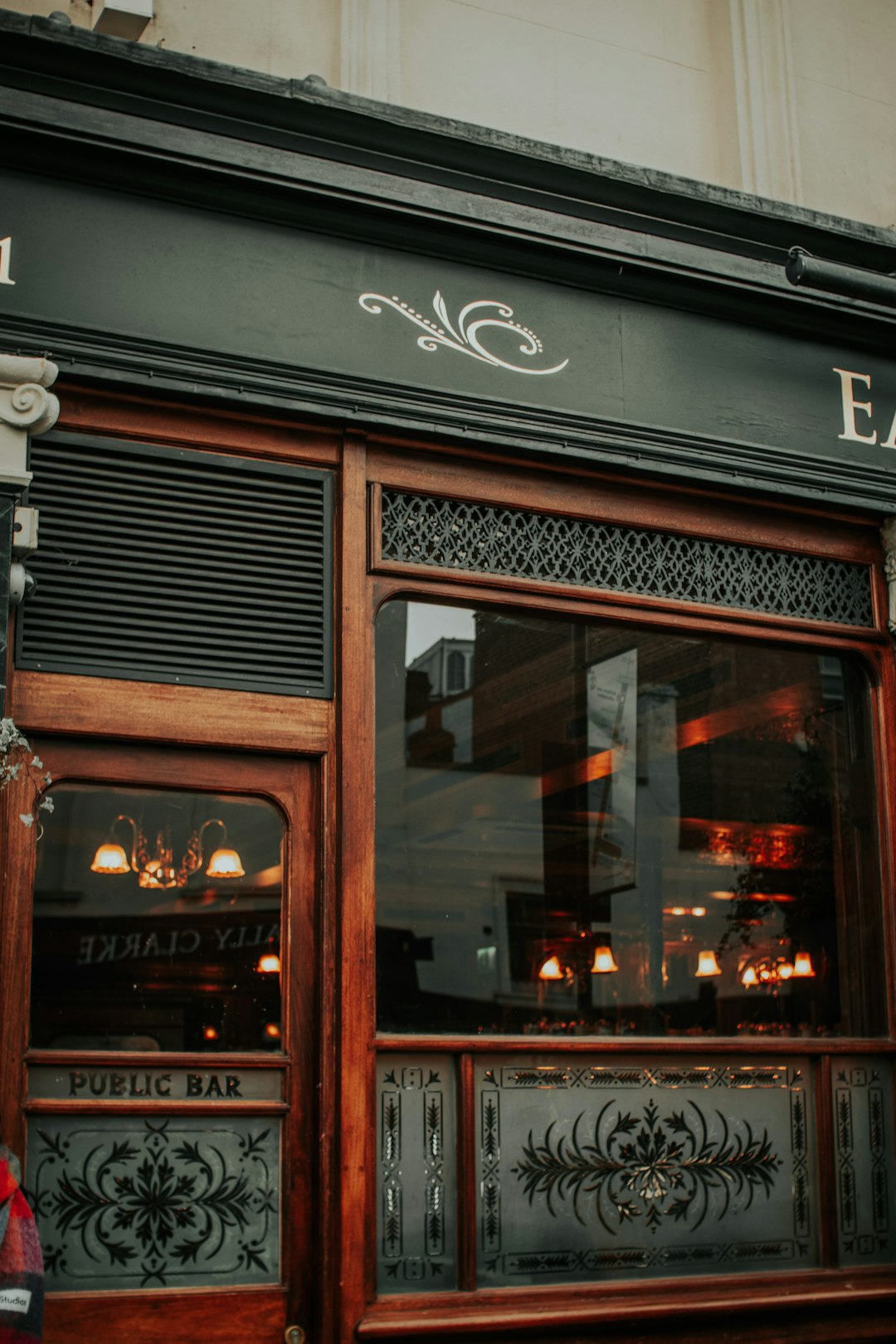
That quiet little room is called the snug. And its story says more about Irish society than almost anything else you’ll find behind a pub door.
Why the Snug Was Built
When Victorian-era licensing laws tightened across Britain and Ireland, respectable women simply did not drink in public. To be seen in a bar was to risk your reputation — your neighbours would talk, your employer might hear, your family would be mortified.
Pub owners, ever resourceful, found a solution: a hidden room with its own entrance, or accessible only through the main bar via a small sliding hatch. You could order a drink, pass your money through the hatch, and receive your glass — without ever being seen by the main bar crowd.
The snug became, in effect, a room for people who weren’t supposed to be drinking.
Who Used the Snug — and Why
Women used the snug, certainly. But they weren’t the only ones. Parish priests stopped in for a quick whiskey on the way home — deniable if anyone asked. Schoolteachers with a reputation to protect. Protestant and Catholic neighbours who weren’t ready to be seen drinking together in the main bar.
Sometimes it was used for private business conversations — a quiet word between a solicitor and a client, or a land deal being sealed away from prying eyes. The snug was a place where Ireland did what it has always done brilliantly: found a way to get things done without anyone officially noticing.
Even bookies used to send their runners into snugs to collect bets discreetly, long before off-track betting was legal.
The Architecture of Discretion
The physical design was everything. A good snug had its own door from the street — or at least from a different angle of the pub — so that regulars in the main bar wouldn’t see who went in. The partition was solid enough that voices didn’t carry. The hatch was small enough that even the barman barely glimpsed the customer on the other side.
Some pubs had brass bells in the snug so that a customer could ring for service without needing to show themselves at the bar. Others had frosted glass panels in the partition, letting light through while obscuring shapes.
It was privacy as architecture — something the Irish have always understood instinctively.
The Snug in Modern Ireland
Most Victorian-era snugs were ripped out during the pub renovations of the 1980s and 1990s, when open-plan became fashionable and landlords wanted more floor space. Today, a pub with an original snug intact is something to seek out.
Kehoe’s on South Anne Street in Dublin still has one of the finest. Morrissey’s in Abbeyleix was famously described as one of the best pubs in the world — its snug still gets used. In Galway, Tigh Neachtain’s has preserved its intimate side rooms. These places aren’t just pubs; they’re time capsules.
If you’re planning a trip and want to experience Ireland beyond the obvious, a slow evening in a genuine snug pub should be on your list. Our 7-day Ireland itinerary points you towards some of the country’s most atmospheric stops.
The Round: The Unwritten Law of the Main Bar
Of course, once you leave the snug and join the main bar, you enter another layer of Irish pub culture: the round system. This is the social contract that holds Irish pub life together.
You buy a round for your group. Then someone else buys the next round. And the next. Leaving before buying your round is a social crime so serious it will be referenced for years. Offering to pay for just your own drink — especially after accepting rounds from others — is baffling at best, and offensive at worst.
The round is not just about drinks. It’s about trust, reciprocity, and belonging. It’s how strangers become friends and how friends stay loyal. Understanding this changes everything about how you experience an Irish pub.
Finding Your Snug
Next time you walk into an old Irish pub, look for the partition. Peer around the corners. Ask the barman if there’s a snug — a good landlord will smile and show you in. Order a whiskey or a stout, close the little door, and sit quietly for a while.
You’ll be sitting in the same space where generations of Irish people sat when they needed the world to look the other way, just for an hour. There’s something deeply human about that. And deeply Irish.
For more stories about the traditions that make Ireland what it is, the Love Ireland newsletter delivers the best of them straight to your inbox each week.
If this kind of hidden Ireland is what draws you, it’s worth knowing when to visit to catch the country at its most atmospheric — quiet evenings, turf fires, and a snug that’s all yours.
Continue Planning
- Renting a Car in Ireland from the USA: Everything You Need to Know Before You Go
- Why Every Irish Village Name Is a Poem Most Visitors Never Stop to Read
- Why Dublin’s Most Beloved Dish Almost Never Appears on a Menu
☘️ You Might Also Love
64,000 Ireland lovers can’t be wrong.
Every week, our free newsletter delivers hidden gems, seasonal guides, local stories, and practical travel tips — straight to your inbox. Join the community that loves Ireland as much as you do.
☘️ Want More Hidden Ireland?
Join 64,000+ subscribers who discover Ireland’s best-kept secrets every week.
Subscribe Free — Join the Community →
Free forever · Unsubscribe anytime · No spam
📥 Free Download: Ireland Travel Planning Guide
Our most popular resource — itineraries, insider tips, and the 50 places you must not miss.
Frequently Asked Questions
What is a snug in an Irish pub?
A snug is a small, curtained room off the side of a traditional Irish pub, separated from the main bar by a wooden partition and a small hatch. It was designed so people could order a drink and receive it without being visible to the main bar crowd.
Why were snugs actually invented?
During the Victorian era, strict licensing laws made public drinking socially unacceptable—especially for women, who risked their reputation simply by being seen in a bar. Pub owners created snugs as a practical solution, allowing people who “weren’t supposed to be drinking” a discreet way to do so.
Who used the snugs besides women?
Parish priests stopping by for whiskey on their way home, schoolteachers protecting their reputations, Protestant and Catholic neighbors avoiding being seen together, solicitors conducting private business, and bookies’ runners collecting bets illegally all found refuge in snugs. Essentially, anyone in Ireland who needed to get something done without it being officially noticed.
How did the hatch system actually work?
A snug had either its own entrance or access only through a small sliding hatch from the main bar, allowing customers to order and pass money through without entering the main room. The publican would serve the drink back through the same hatch, keeping the customer completely out of sight.
Tours & experiences you might love


Powered by Viator. Some links are affiliate links — we may earn a small commission at no extra cost to you.
Secure Your Dream Irish Experience Before It’s Gone!
Planning a trip to Ireland? Don’t let sold-out tours or packed attractions spoil your journey. Iconic experiences like visiting the Cliffs of Moher, exploring the Rock of Cashel, or enjoying a guided walk through Ireland’s ancient past often sell out quickly—especially during peak travel seasons.

Booking in advance guarantees your place and ensures you can fully immerse yourself in the rich culture and breathtaking scenery without stress or disappointment. You’ll also free up time to explore Ireland’s hidden gems and savour those authentic moments that make your trip truly special.
Make the most of your journey—start planning today and secure those must-do experiences before they’re gone!
Michael Dugggan
Friday 6th of March 2026
Way back in the 1960s, my local, Heffernan's Cork Road, Fermoy, Co. Cork had a snug. Just as you came in the door, there was a door to the left to a little snug. It had a bench seat and a bench type table to hold the drinks. When a lady needed a drink, she'd tap on the partition and return to her seat. The barman would slide open the partition, take her order, return with the drink and place it on the ledge on the snug side of the partition and close the partition. The customer would take the drink. Put the price of the drink back on the ledge and tap the partition. So the lady in the snug would not be seen by anyone in the bar.