

On 17 November 1953, the last 22 people who called the Great Blasket Island home stepped into boats and crossed Blasket Sound to the mainland. They never went back. The island they left had no electricity, no doctor, no resident priest — but it had produced some of the most extraordinary writing of the twentieth century.
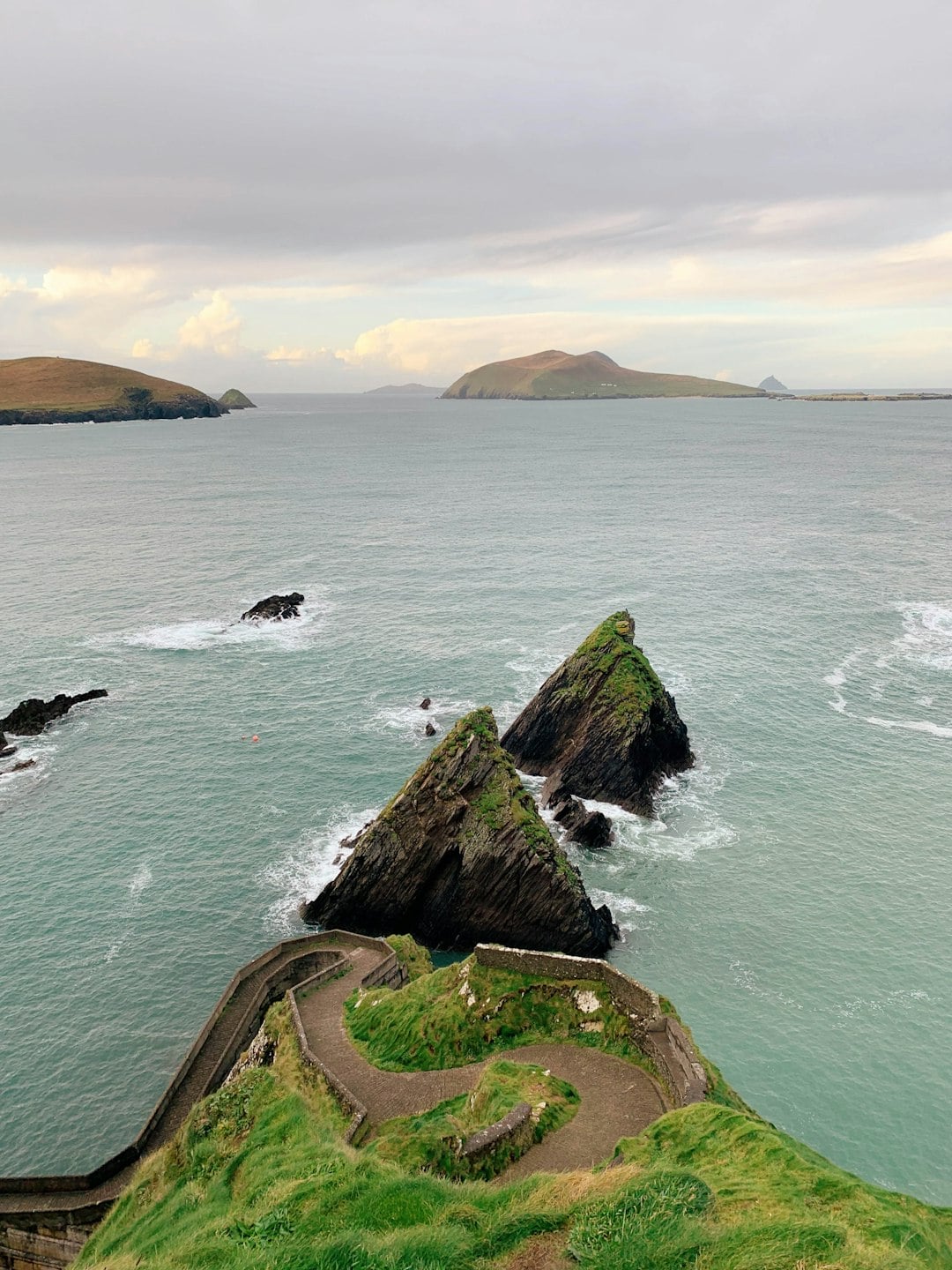
The Island at the Edge of the World
The Great Blasket sits three miles off the Dingle Peninsula in County Kerry — the westernmost point of Europe before the Atlantic stretches unbroken to North America. For centuries, it sustained a small Irish-speaking community of farmers and fishermen, never more than 160 people at its peak.
Life was hard. Atlantic storms could cut the island off from the mainland for weeks at a time. There was no shop, no pub, no resident church. Every coffin had to be rowed across the sound. Every serious illness was a gamble with the weather.
Yet this isolation produced something nobody expected.
Three Books That Changed Irish Literature
Between 1929 and 1936, three islanders published memoirs that stopped literary scholars across Europe in their tracks.
Tomás Ó Criomhthain wrote An tOileánach (The Islandman) in 1929 — vivid, spare, and deeply moving. His final line is still quoted wherever Irish literature is taught: “Ní bheídh ár leithéidí arís ann.” Our like will not be there again.
Muiris Ó Súilleabháin followed with Fiche Blian ag Fás (Twenty Years A-Growing) in 1933. E.M. Forster called it “a document of the rarest kind.” Peig Sayers rounded out the trio with her oral autobiography, transcribed and published as Peig in 1936, which became required reading in Irish schools for generations.
Three books. One tiny island. No running water.
The Beginning of the End
By the 1940s, the population had fallen sharply. Young people left for the mainland, drawn by work and wages. Those who stayed were mostly elderly.
In 1947, a young islander fell seriously ill. No boat could reach him in time. He died. The people of the Great Blasket sent a formal petition to the Irish government: they could no longer sustain themselves and wanted to be moved to the mainland.
It took six more years before the government acted.
☘️ Enjoying this? 64,000+ Ireland lovers get stories like this every week. Subscribe free →
The Last Day
On 17 November 1953, a government vessel arrived. The remaining 22 residents — mostly elderly, some who had never spent a night away from the island — gathered what they could carry.
Dogs and cats were left behind. Doors were left open. One islander is said to have placed a lit candle in the window of the house he was leaving, as though expecting to return.
The crossing to Dunquin took less than an hour. The island fell silent.
What Visitors Find There Today
The Great Blasket is accessible by ferry from Dunquin Pier on the Dingle Peninsula in County Kerry during the summer months. Day visitors can walk the island’s paths, explore the ruins of the village, and look out across the same Atlantic the islanders watched for generations.
The roofless houses are still there, their stone walls thick with moss. Abandoned settlements like this appear across Ireland, but the Blasket carries different weight. These were the homes of people who wrote about them.
The Blasket Centre at Dún Chaóin on the mainland tells the full story through photographs, manuscripts, and recordings. It is one of the most quietly affecting museums in Ireland, and easy to combine with a ferry day trip to the island.
A Language That Almost Left With Them
The islanders spoke a form of Irish so pure that linguists travelled from across Europe to record it. Their dialect of Munster Irish was among the last of its kind in continuous daily use.
When the islanders left, that living form of the language went with them. Recordings survive in archives. But the conversation around the fire, the songs passed between houses on winter evenings — those are gone.
If you are planning a trip to Ireland, a visit to the Blasket Centre and the island ferry is among the most unusual half-days you can spend in Kerry. Most visitors say it changes how they think about what Ireland has lost — and what it managed, against all odds, to preserve.
The island sits there still, unchanged since 1953. The Atlantic still batters it in winter. The roofless houses still stand. And the books that came out of it are still in print.
Ní bheídh ár leithéidí arís ann. Our like will not be there again.
☘️ You Might Also Love
☘️ Join 64,000+ Ireland Lovers
Every Friday, get Ireland’s hidden gems, local secrets, and travel inspiration — the kind you won’t find in any guidebook.
Free forever · · Unsubscribe anytime
Tours & experiences you might love


Powered by Viator. Some links are affiliate links — we may earn a small commission at no extra cost to you.
Secure Your Dream Irish Experience Before It’s Gone!
Planning a trip to Ireland? Don’t let sold-out tours or packed attractions spoil your journey. Iconic experiences like visiting the Cliffs of Moher, exploring the Rock of Cashel, or enjoying a guided walk through Ireland’s ancient past often sell out quickly—especially during peak travel seasons.

Booking in advance guarantees your place and ensures you can fully immerse yourself in the rich culture and breathtaking scenery without stress or disappointment. You’ll also free up time to explore Ireland’s hidden gems and savour those authentic moments that make your trip truly special.
Make the most of your journey—start planning today and secure those must-do experiences before they’re gone!