

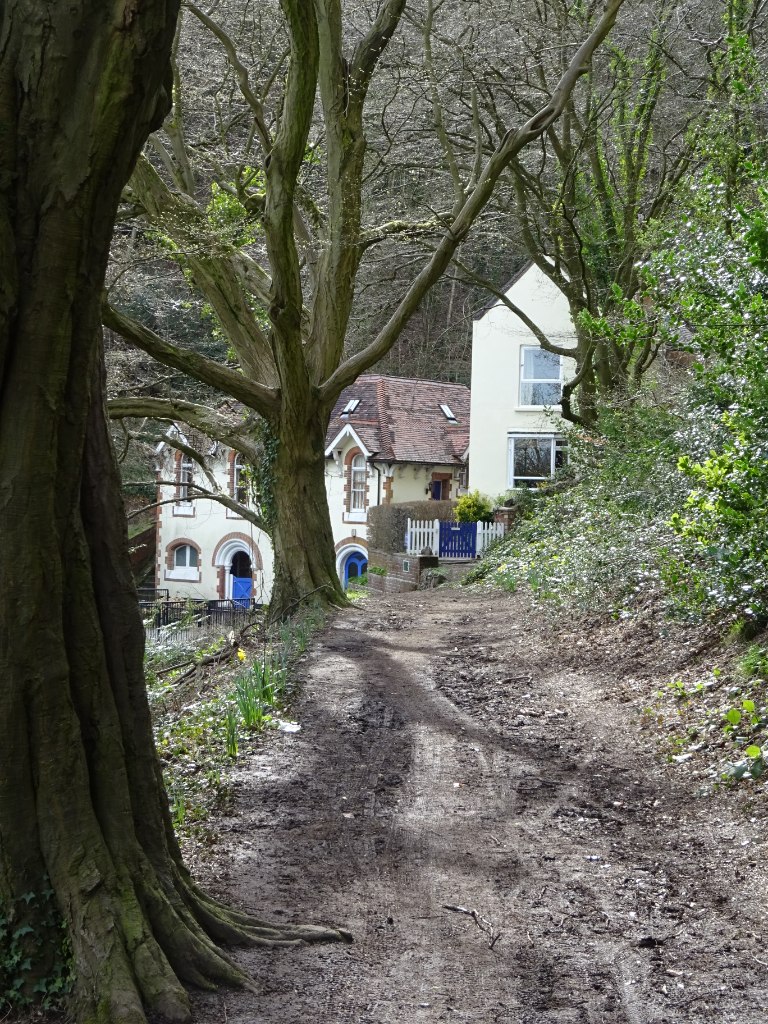
Before dawn on a summer morning, a small group walks barefoot across a damp Clare field. They circle a cold spring three times, clockwise, praying at each stone marker as they go. Nobody talks much. They have been doing this — or their families have been doing this — for as long as anyone can remember.
This is a pattern day. Most visitors to Ireland have never heard of one.
What Is a Pattern Day?
The word “pattern” comes from “pátrún” — the Irish for patron saint. A pattern day is the annual celebration at a local holy well on the feast day of the well’s patron saint.
Every parish in Ireland once had its own well. Some were dedicated to national saints — Brigid, Patrick, Colm Cille. Others honoured local figures known only within their own county: Gobnait of Cork, Fionnbarra of Kerry, Ciaran of Offaly.
On the saint’s feast day, the whole parish would gather. They would “do the rounds” — walk the circuit of the well a set number of times, always moving sunwise (clockwise). At each station, they would stop to pray. Afterwards came the part that made the bishops nervous: music, dancing, storytelling, and matchmaking.
Water Was Sacred Here Long Before the Saints
The Irish were worshipping at springs long before Christianity arrived. The Celts believed water emerging from the earth connected this world to the otherworld — the realm of spirits and gods existing just beneath ordinary life.
Early missionaries were practical. Rather than destroy these sacred sites, they re-dedicated them. A well that had belonged to a local spirit became the well of a local saint. The rituals continued. Only the names changed.
Many holy wells were also known for healing. People came to bathe sore eyes, arthritic joints, and skin ailments in the water. They left offerings — coins, small medals, pieces of cloth tied to an overhanging tree. If you have ever wondered why Irish people still tie rags to ancient trees, this is exactly where that tradition began.
What the Rounds Actually Look Like
The turas — the ritual circuit — varied from well to well, but the structure was consistent. You walked barefoot, often on rough ground. You counted the circuits: three, seven, nine — always a sacred number. You touched or drank from the water. You left something behind.
At some wells, specific prayers were said at each station. At others, the circuit itself was the prayer — the act of the body moving through space in a fixed, repeated pattern, year after year.
After the religious observance came the social gathering. In their prime, pattern days were among the biggest community events in rural Ireland. Travelling musicians arrived the evening before. Stalls sold food. Young people who had not seen each other since the previous year’s pattern would meet again. In counties like Clare and Galway, patterns were also matchmaking occasions — a role that later moved to the matchmaking festivals still held today.
☘️ Enjoying this? 64,000+ Ireland lovers get stories like this every week. Subscribe free →
Why the Church Tried to Suppress Them
By the 18th century, the Catholic Church had grown deeply uncomfortable with pattern days. The problem was not the religious ritual — it was everything that happened after it.
Patterns attracted crowds. Crowds attracted vendors. Vendors attracted drink. Drink led to dancing, dancing led to arguments, and arguments led to the faction fights that became notorious at some gatherings — rival families and townlands settling scores under the cover of celebration.
Bishops issued pastoral letters discouraging attendance. Local priests refused to bless the rounds. In some parishes, the pattern was absorbed into a formal indoor feast day. In others, it simply faded. At least officially.
The Wells That Never Closed
What the suppression could not do was tell people to forget where the wells were. Or why they had gone to them.
Some patterns survived quietly. Families kept returning — not in crowds, not with music, but to walk the rounds and leave an offering as their grandparents had done. St Brigid’s Well at Liscannor in County Clare draws pilgrims every August on the old feast of Lúnasa. The well overflows with offerings: rosary beads, photographs, handwritten notes asking for help with illness, grief, and love.
St Gobnait’s Well in Ballyvourney, County Cork, still draws people on her feast day in February. The pattern at Tobar Bhríde in Faughart, County Louth — where Brigid herself is said to have been born — continues every year on 1 February.
Finding a Pattern Day in Ireland
If you want to experience one, a few places still hold them openly. They are not advertised on tourist boards. You find them by asking local people, or by reading notices on a parish church door.
St Brigid’s Well in Liscannor is the most accessible. It sits just off the coastal road near the Cliffs of Moher, and pilgrims come throughout August. If you are planning a trip to the west of Ireland, building in a visit to a holy well costs nothing and connects you to something most tourists never find.
Bring nothing. Take nothing but the water. Walk the rounds barefoot if you can. You will understand something about this country that no guidebook has ever quite managed to explain.
☘️ You Might Also Love
Tours & experiences you might love


Powered by Viator. Some links are affiliate links — we may earn a small commission at no extra cost to you.
Secure Your Dream Irish Experience Before It’s Gone!
Planning a trip to Ireland? Don’t let sold-out tours or packed attractions spoil your journey. Iconic experiences like visiting the Cliffs of Moher, exploring the Rock of Cashel, or enjoying a guided walk through Ireland’s ancient past often sell out quickly—especially during peak travel seasons.

Booking in advance guarantees your place and ensures you can fully immerse yourself in the rich culture and breathtaking scenery without stress or disappointment. You’ll also free up time to explore Ireland’s hidden gems and savour those authentic moments that make your trip truly special.
Make the most of your journey—start planning today and secure those must-do experiences before they’re gone!