

Think of an Irish castle and you probably picture a romantic ruin on a hillside, or a grand hall where lords feasted by firelight. The reality was noisier, messier, and far more human than that.
In medieval Ireland, a castle was not a monument. It was a working settlement — crowded with soldiers, servants, animals, and ambition. Life inside one was nothing like the fairy-tale version.
Got an Irish surname with a castle behind it? ☘️
Find Your Irish Castle — matches your surname to its ancestral castle and the family’s history.
Not What You’d Expect
When you walk through the ruins of a medieval Irish castle today, you’re seeing the skeleton. The wooden floors are long gone. The tapestries have rotted. The fires are cold.
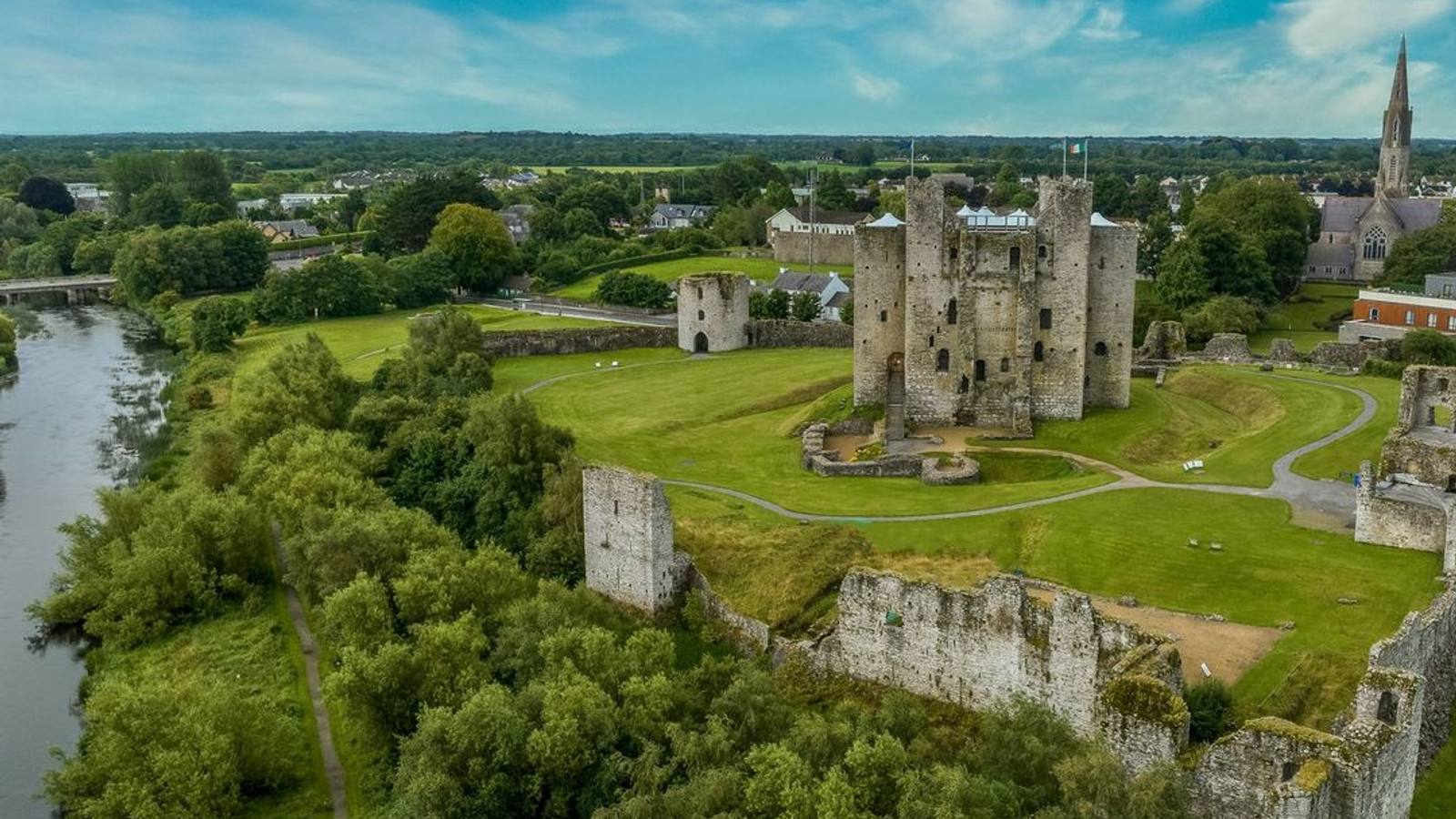
But in their day, castles like Trim Castle in County Meath — Ireland’s largest Norman fortress — were bustling centres of power and daily life. Dozens, sometimes hundreds, of people lived and worked within these walls.
They were not peaceful residences. They were built to intimidate, to protect, and to project authority.
Who Actually Lived Inside
The lord of the castle was often the least visible person in it. For every lord, there were soldiers, servants, grooms, cooks, stewards, chaplains, and craftsmen.
Animals lived inside the walls too. Horses were stabled in the courtyard and sometimes driven into the keep itself during a siege. Dogs roamed the great hall looking for scraps. Livestock was brought inside when raiders threatened the surrounding lands.
Life was communal in a way that feels almost inconceivable today. Privacy was a luxury of rank, and even the lord’s family lived in very close proximity to everyone else.
The Great Hall — the Heart of the Castle
The great hall was where the castle breathed. Long trestle tables were assembled each evening and cleared away at night, freeing the same space for soldiers to sleep by the dying fire.
Rushes covered the stone floors — dried reeds mixed with herbs, sometimes lavender — and were changed only every few weeks. Beneath them, bones, ash, and the debris of daily life quietly accumulated.
The fire burned constantly. Not for atmosphere, but for survival. Stone castles were bitterly cold and poorly insulated, and the smoke from the central hearth was simply the price of staying warm.
☘️ Enjoying this? 64,000+ Ireland lovers get stories like this every week. Subscribe free →
What They Ate — and How
Food was simpler than legend suggests. Salted meat, dried fish, oatcakes, and ale formed the daily diet for most inhabitants. Fresh meat appeared on feast days and at the lord’s table.
Water from wells within the castle walls was used for cooking, but ale was the everyday drink. It was brewed on site, safer than water, and consumed by everyone from the lord’s family to the youngest kitchen boy.
Wine marked wealth. It arrived by ship from France and Iberia, stored carefully, and produced at feasts to signal that the lord could afford such luxuries.
Hidden Rooms and Constant Tension
Castle life was never far from the possibility of siege or betrayal. Many Irish castles were built with escape routes and concealed spaces that only the household knew about. Some of these hidden rooms later served as priest holes during the penal centuries — you can discover the remarkable story behind the secret rooms hidden inside Irish castles and what they protected.
During a prolonged siege, provisions were carefully rationed. Water had to be managed. The smell inside, with dozens of people and animals confined in a stone structure, must have been almost unbearable.
Yet within these walls, people lived full lives. Births happened here. So did marriages, arguments, music, and death.
What You Can Still Feel Today
The castles that survive — Trim, Kilkenny, Bunratty, Rock of Cashel — still hold something of the original presence. Stand in the keep at Trim and look upward through the roofless floors and you begin to understand the scale of ambition it took to build such a place in 12th-century Ireland.
If you’re planning a visit and want to weave these sites into a broader trip, the Ireland travel planning guide is worth reading before you go. And no castle tour is complete without a stop at Blarney Castle, where the stone itself has become part of the legend.
These buildings were not designed to be admired from a distance. They were built to be lived in, fought over, and survived.
Next time you stand inside an Irish castle and hear only silence, close your eyes. Imagine the fires, the dogs, the arguments over supper, the sound of dozens of people living out their lives in close quarters.
The walls that stand today remember all of it. They were not built for tourists. They were built for people who had no idea they would become history.
☘️ You Might Also Love
☘️ Join 64,000+ Ireland Lovers
Every Friday, get Ireland’s hidden gems, local secrets, and travel inspiration — the kind you won’t find in any guidebook.
Free forever · · Unsubscribe anytime
Tours & experiences you might love


Powered by Viator. Some links are affiliate links — we may earn a small commission at no extra cost to you.
Secure Your Dream Irish Experience Before It’s Gone!
Planning a trip to Ireland? Don’t let sold-out tours or packed attractions spoil your journey. Iconic experiences like visiting the Cliffs of Moher, exploring the Rock of Cashel, or enjoying a guided walk through Ireland’s ancient past often sell out quickly—especially during peak travel seasons.

Booking in advance guarantees your place and ensures you can fully immerse yourself in the rich culture and breathtaking scenery without stress or disappointment. You’ll also free up time to explore Ireland’s hidden gems and savour those authentic moments that make your trip truly special.
Make the most of your journey—start planning today and secure those must-do experiences before they’re gone!
Subscribe Free