

There is a moment, if you are ever in a small room in the west of Ireland and someone begins to sing in Irish, when the air changes. No instruments. No backing track. Just a single voice, unaccompanied, moving through something ancient and raw. By the second verse, you might find your eyes have filled with tears. What is strange is that you may not understand a single word.
What Exactly Is Sean-Nós?
Sean-nós (pronounced “shan-noce”) translates roughly as “old style.” It is the oldest surviving form of Irish vocal music — a tradition of unaccompanied solo singing in the Irish language that predates written record.
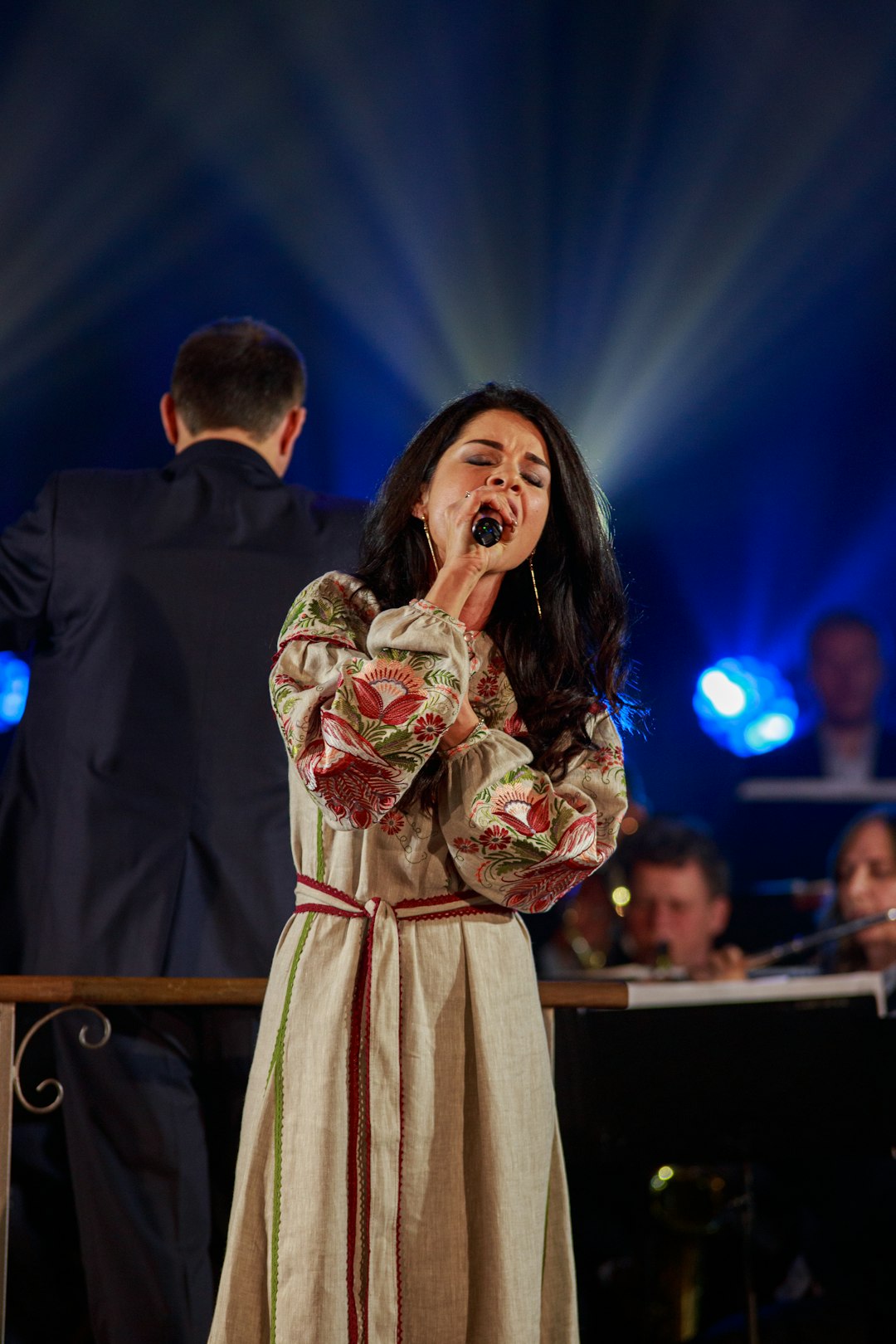
It is not the polished singing you might hear on a concert stage. Sean-nós is intimate, spontaneous, and deeply personal. Each singer brings their own ornamentation — subtle variations in melody, rhythmic freedom, and little embellishments that are entirely their own.
No two performances of the same song are ever the same.
The Heartlands Where It Lives
Sean-nós is most alive in the Gaeltacht — the Irish-speaking regions of the country. Connemara in County Galway, the Donegal Gaeltacht in the north-west, and the Ring (An Rinn) in County Waterford are its three main heartlands, each with its own distinctive regional style.
In Connemara, the style tends to be ornate and richly embellished. Donegal singers move more freely with rhythm. Waterford’s tradition sits somewhere in between. Locals can identify a singer’s regional background almost immediately from the phrasing alone.
This is not simply folk music. It is a living archive.
The Ornament Is the Point
In classical music, ornamentation is decoration. In sean-nós, it is the entire conversation. A singer might linger on a syllable, bend a note sideways, or drop their voice to almost nothing before surging back without warning.
This ornamentation is not taught from a textbook. It is absorbed over years of listening, of sitting at a grandparent’s knee, of singing at the kitchen table rather than on a stage.
The most celebrated singers often move very little while performing. No dramatic gestures. No eye contact with the audience. The feeling goes inward before it comes out.
Why People Cry Without Understanding the Words
The subjects of sean-nós songs are rarely cheerful — lost love, emigration, longing, drowning at sea. These are songs shaped by centuries of grief and distance.
But the reason visitors are moved before they have learned a single word of Irish is simpler than the lyrics. It is the voice itself: unprotected, unprocessed, entirely human. There is nowhere to hide in a room when someone sings like that.
Irish music has always understood that what cannot be said can still be sung. If you have ever heard a sean-nós singer hold a final note until the room goes completely still, you will understand without translation. The Irish words that carry no English equivalent come closest to explaining it — some emotions have always lived beyond language.
Where to Hear It
Oireachtas na Gaeilge, held each November, is the most prestigious sean-nós competition in the country — the gold standard for singers across all three regional traditions. Fleadh Cheoil na hÉireann, which draws enormous crowds each August, also features sean-nós competitions alongside every other form of traditional Irish music.
But the best place to hear it is not on a competition stage. It is in a small pub in Connemara on a wet Tuesday, when someone’s uncle begins to sing and everyone else goes quiet without being asked. That silence is the greatest compliment an Irish audience can pay.
If you are planning a visit to catch Irish culture at its most alive, it is worth reading the unwritten rules of an Irish trad session before you go — the etiquette around traditional music says a great deal about the Irish relationship with listening. The Love Ireland newsletter also covers festivals and cultural events throughout the year, including where to find the best sessions across the country.
The Voice That Has Outlasted Everything
Ireland has survived centuries of disruption — famine, emigration, the near-loss of its language in most of the country. Sean-nós is the part that survived anyway.
When you hear it, you are hearing something that was sung in cottages without electricity, on boats heading away from Ireland for good, at wakes, at harvests, and around fires long since cold. It has carried more human feeling than most art forms can claim.
You do not need to speak Irish to feel it. You just need to sit still and listen.
If you are planning a visit to the west of Ireland, build in a quiet evening and follow the sound of an unaccompanied voice. It might be the most Irish thing you ever experience. You can start your trip planning at our Ireland travel guide.
☘️ You Might Also Love
64,000 Ireland lovers can’t be wrong.
Every week, our free newsletter delivers hidden gems, seasonal guides, local stories, and practical travel tips — straight to your inbox. Join the community that loves Ireland as much as you do.
☘️ Want More Hidden Ireland?
Join 64,000+ subscribers who discover Ireland’s best-kept secrets every week.
Subscribe Free — Join the Community →
Free forever · Unsubscribe anytime · No spam
📥 Free Download: Ireland Travel Planning Guide
Our most popular resource — itineraries, insider tips, and the 50 places you must not miss.
Tours & experiences you might love


Powered by Viator. Some links are affiliate links — we may earn a small commission at no extra cost to you.
Secure Your Dream Irish Experience Before It’s Gone!
Planning a trip to Ireland? Don’t let sold-out tours or packed attractions spoil your journey. Iconic experiences like visiting the Cliffs of Moher, exploring the Rock of Cashel, or enjoying a guided walk through Ireland’s ancient past often sell out quickly—especially during peak travel seasons.

Booking in advance guarantees your place and ensures you can fully immerse yourself in the rich culture and breathtaking scenery without stress or disappointment. You’ll also free up time to explore Ireland’s hidden gems and savour those authentic moments that make your trip truly special.
Make the most of your journey—start planning today and secure those must-do experiences before they’re gone!