

The Fleadh Cheoil doesn’t announce itself with a headline act or a pyrotechnic stage. It arrives when you turn a corner in a small Irish town and hear a fiddle drifting through an open doorway — and then realise that every doorway on that street sounds the same. Hundreds of musicians have arrived, and they are all playing at once.
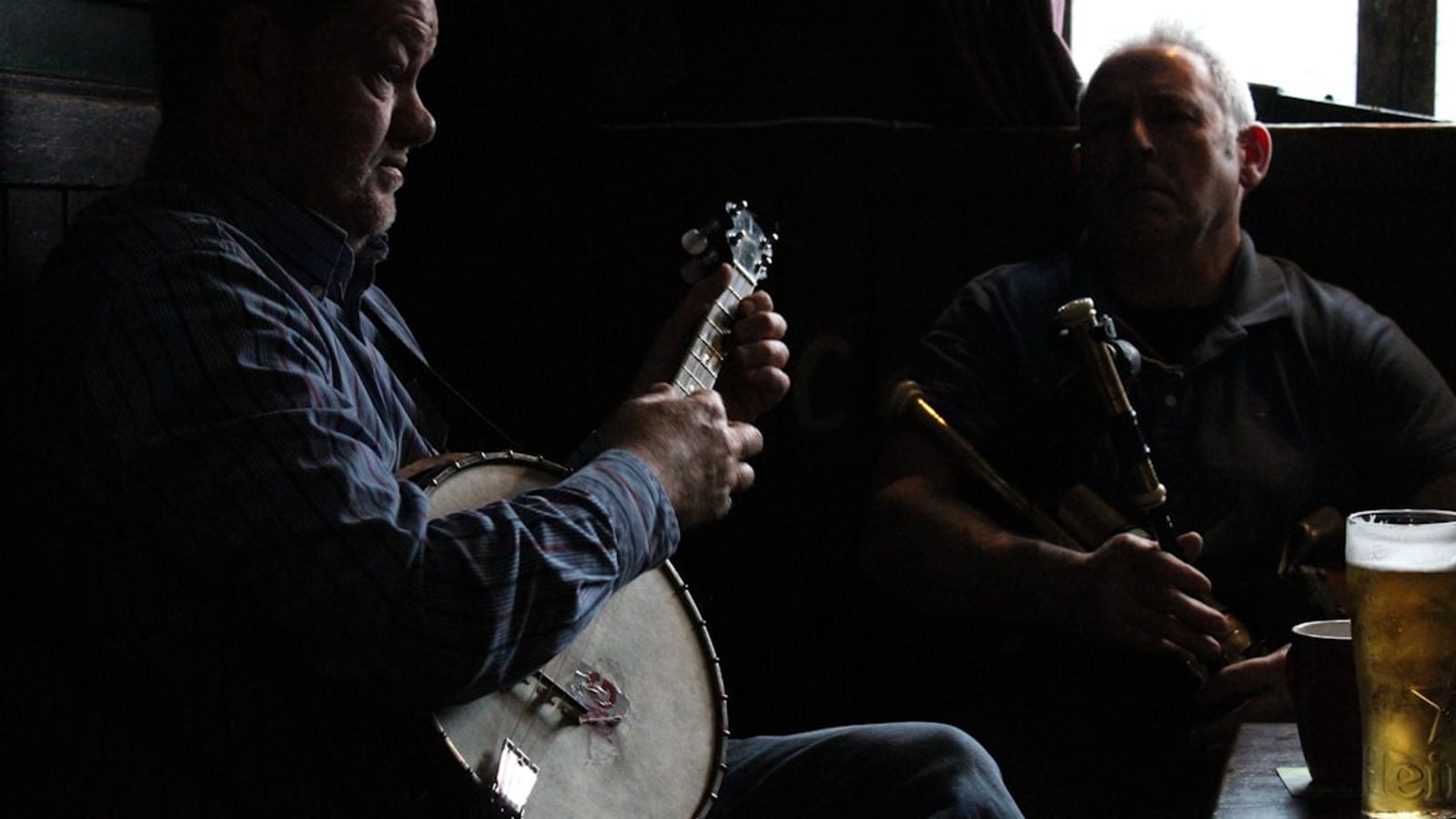
This is the Fleadh Cheoil (pronounced “Fla Kyole”), which means “Feast of Music” in Irish. Every summer, it descends on a different Irish town, and for seven days that town becomes the beating heart of traditional Irish music in the world. Up to 400,000 people attend. Most of them have never heard of it before they arrive.
What Actually Happens at the Fleadh
The Fleadh Cheoil has been organised by Comhaltas Ceoltóirí Éireann — the guardians of Irish traditional music — every year since 1951. But calling it a festival understates what it is. It is part competition, part reunion, and part living archive of everything Irish music has ever been.
During the day, up to 7,000 musicians compete across categories covering every trad instrument: fiddle, uilleann pipes, tin whistle, flute, accordion, concertina, and bodhrán. Age groups run from under-12 to senior. Winning an All-Ireland title at the Fleadh is the highest honour a trad musician can carry — the kind that follows a player for life.
At night, the competitions stop. And something else entirely begins.
The Whole Town Becomes the Stage
☘️ Discover the Ireland most visitors never find
Join 64,000 people who love Ireland as much as you do. Get our free guide to 25 hidden gems — the places, traditions, and stories that most people miss. Free when you subscribe.
Read with 64,000 Ireland Lovers →No other music gathering works quite like this. When the evening sessions start, the streets fill with sound. Pub corners, hotel lobbies, car parks, stone doorsteps — every surface becomes a possible stage.
Musicians who competed against each other in the afternoon are now playing together in the dark. Nobody organises it. Someone pulls out an instrument, another person joins, and within minutes a full session has built itself from nothing. If you know the unwritten rules of an Irish trad session, you will understand exactly what is happening. If you don’t, it will still stop you in the street.
The host town changes every year — Ennis, Drogheda, Mullingar, Tullamore. Each town wears the role with enormous pride. For many local families, it is the social event of the decade.
Where the Tunes Actually Live
The Fleadh is how Irish music stays alive. Not on recordings. Not in classrooms. Here, in the streets, in the pub corners, in the late-night sessions that spill into the early hours.
A twelve-year-old from Tipperary sits in a corner watching a fiddle player from Clare work through a reel she has never heard before. By the end of the evening, she has it half-learned. That is how hundreds of tunes have survived centuries of change — passed directly from one pair of hands to another, one ear to another.
No tune is owned at the Fleadh. No tune carries a copyright. They travel freely through the crowd. And the Fleadh is the most concentrated place in the world where that exchange happens in real time.
☘️ Enjoying this? 64,000+ Ireland lovers get stories like this every weekday morning. Subscribe free →
Who Goes to the Fleadh
People come from across Ireland, from the Irish diaspora in America, Britain, and Australia, and from countries with no obvious connection to Ireland at all — drawn by something in the sound they cannot quite explain.
For emigrant families, the Fleadh can feel like the closest thing to coming home. You hear a jig that your grandmother hummed in a kitchen in County Mayo, and suddenly it is decades ago in the most inexplicable way. Children who grew up abroad hear it and recognise something they have never been taught.
For visitors who stumble into it without knowing what it is, it can feel like being let in on a secret the whole island has been quietly keeping.
Why It Matters Beyond the Music
The numbers tell part of the story. Up to 400,000 visitors. Up to 7,000 competing musicians. One of the largest cultural gatherings in Europe. But the numbers miss the point entirely.
What matters is what happens when a tin whistle player from Dublin and a flute player from the West find a shared reel in a back room at two in the morning, and play it together without ever having met. Or when a seven-year-old watches the All-Ireland fiddle final and decides, quietly, that this is what she wants to do with her life.
The Fleadh holds something that modern life struggles to offer — a direct, unmediated connection between people and the music they carry in them. No algorithm selects the setlist. No screen mediates the sound. Just instruments in a room, and whoever happens to be standing there.
If you are planning a trip to Ireland in late summer, it is worth building your dates around it. The Fleadh Cheoil is usually held in August. Check Comhaltas Ceoltóirí Éireann for the host town each year.
Ireland has always kept its deepest things in the music. The Fleadh Cheoil is simply the moment when all of that comes out into the street — and anyone who happens to be standing there gets to hear it.
☘️ You Might Also Love
☘️ Join 64,000+ Ireland Lovers
Every Friday, get Ireland’s hidden gems, local secrets, and travel inspiration — the kind you won’t find in any guidebook.
Frequently Asked Questions
Why is this tradition still relevant in Ireland today?
Ireland’s rich cultural heritage means many customs and traditions described in this article have survived for centuries. They continue to shape Irish identity, from rural farming communities to urban life, and are celebrated as part of what makes Ireland unique.
How far back does this Irish tradition or practice date?
Many of Ireland’s folk customs and cultural practices have roots stretching back hundreds — even thousands — of years. This one reflects the deep connection between the Irish people and their land, language, and community life.
Where can visitors experience authentic Irish culture and traditions?
Ireland’s best cultural experiences are found beyond the tourist trail — in rural villages, local festivals, traditional music sessions, and county museums. The Irish Tourist Board (Fáilte Ireland) maintains a directory of authentic cultural experiences at ireland.com.
Do Irish diaspora communities around the world still practice these traditions?
Yes — Irish communities across the United States, Australia, Canada, and the UK actively preserve and celebrate Irish traditions. St Patrick’s Day events, Irish language classes, céilí dancing, and trad music sessions are found in cities worldwide.
Free forever · Unsubscribe anytime
Tours & experiences you might love


Powered by Viator. Some links are affiliate links — we may earn a small commission at no extra cost to you.
Secure Your Dream Irish Experience Before It’s Gone!
Planning a trip to Ireland? Don’t let sold-out tours or packed attractions spoil your journey. Iconic experiences like visiting the Cliffs of Moher, exploring the Rock of Cashel, or enjoying a guided walk through Ireland’s ancient past often sell out quickly—especially during peak travel seasons.

Booking in advance guarantees your place and ensures you can fully immerse yourself in the rich culture and breathtaking scenery without stress or disappointment. You’ll also free up time to explore Ireland’s hidden gems and savour those authentic moments that make your trip truly special.
Make the most of your journey—start planning today and secure those must-do experiences before they’re gone!