

Most tourists buy a tin whistle in a Galway gift shop, blow a few wrong notes, and set it back on the shelf. They have no idea they just held the instrument that has soundtracked Irish life for over 150 years — and that mastering it takes longer than learning the violin.
Try the Guinness Timer ⏱️
A perfect pour takes 119.5 seconds — the rest, two minutes, gives the stout time to settle. Time your own pint and see if you wait long enough.
The Instrument That Cost Almost Nothing
The tin whistle, or feadóg stáin in Irish, first spread across Ireland in the 1840s and 1850s. A London manufacturer called Clarke Tinwhistle began mass-producing them from tin-plated steel for just a few pennies each.
At a time when Ireland was recovering from catastrophe, families had next to nothing. But almost every family could find a few coins for a feadóg.
That cheapness shaped its reputation for generations. Musicians looked down on it. It was an instrument for children, for beginners, for those who could not afford anything better. In rural households, you started on the whistle and graduated to something worth taking seriously.
Or so people thought.
The Performers Who Changed Everything
Micho Russell from Doolin, County Clare was not the kind of man who apologised for his instrument. A quiet man from a family of traditional musicians, he played the tin whistle with such precision and feeling that audiences fell completely silent.
Mary Bergin from County Galway took the whistle onto concert stages and into recording studios. Her album Feadóga Stáin (1979) is still considered one of the finest recordings of Irish traditional music ever made — on any instrument.
It was not just what they played. It was how they played it.
The Hidden Difficulty of Six Holes
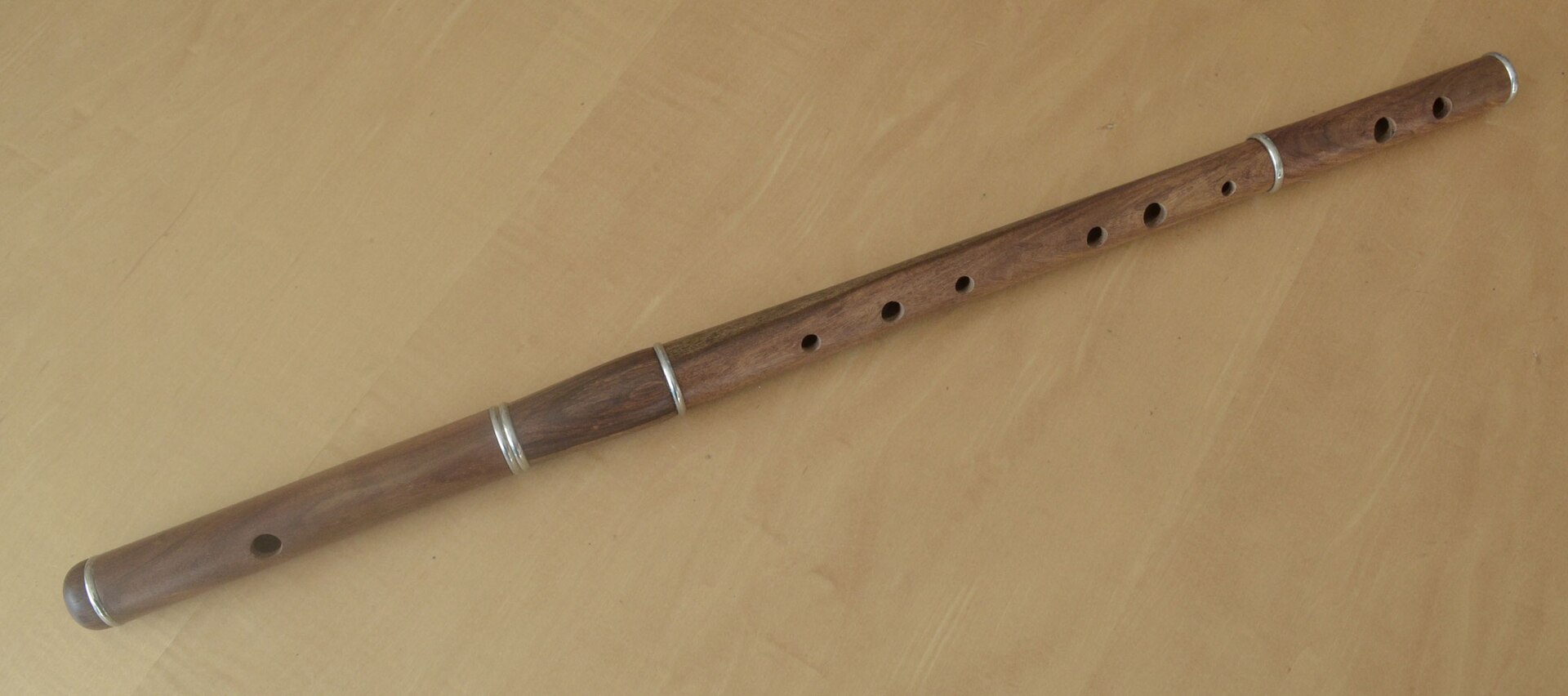
A tin whistle has six finger holes. A concert flute has sixteen keys and a complex mechanical system. On paper, the whistle looks far simpler.
In practise, it is one of the most technically demanding instruments in traditional music. The reason is ornamentation.
Irish music is not just the notes. It is what happens between the notes. Players use cuts, rolls, slides, and crans — tiny decorative movements that give the music its bounce and swing. A roll involves playing a note, briefly interrupting it twice with different fingers, all within a fraction of a second.
Done correctly, the ornaments are barely noticeable as separate movements. Done incorrectly, the music collapses into a muddle. Getting it right takes years.
☘️ Enjoying this? 64,000+ Ireland lovers get stories like this every week. Subscribe free →
The Sound That Crossed Oceans
Part of the tin whistle’s appeal is practical. It fits in a coat pocket. It costs less than a round of drinks. For generations of Irish emigrants heading to America, Australia, or Britain, the whistle was the one piece of home small enough to take.
On building sites in Birmingham, in tenement flats in Boston, in the railway camps of Argentina, the tin whistle kept going. It did not need tuning, it did not need maintenance, and anyone who heard it recognised the sound immediately.
That portability made it the instrument of the Irish diaspora. When people think of the sound of Ireland, they often think of the feadóg — even if they do not know its name.
If you want to hear it live, a traditional Irish trad session will almost always have at least one whistle player somewhere in the corner.
Why the Key of D Matters
The most common tin whistle in Irish traditional music is pitched in the key of D. This is no accident. Irish traditional music — jigs, reels, hornpipes, and slow airs — sits naturally in D major and related modes.
Other keys exist. A C whistle suits beginners because it matches standard piano keys. A low D whistle produces a deeper, darker sound closer in character to the uilleann pipes. But in a session, a D whistle is the standard.
Irish fiddle players will tell you that the same is true for their instrument — the region shapes the style. Whistle players from Clare play differently to those from Sligo or Galway, and a trained ear can hear it.
If you are planning a visit and hoping to catch a live session, the Ireland trip planning guide covers where to find the real thing.
The Instrument Ireland Never Outgrew
There is an old saying that the best musicians make it look easy. The tin whistle has spent 150 years proving that point.
It fits in your pocket, it costs almost nothing, and almost anyone can make a sound on it. But that sound — full, clear, dancing between two notes like a lark over a Clare meadow — takes a lifetime to make properly.
Ireland has always had a habit of finding depth in the overlooked. The feadóg is no different.
☘️ You Might Also Love
☘️ Join 64,000+ Ireland Lovers
Every Friday, get Ireland’s hidden gems, local secrets, and travel inspiration — the kind you won’t find in any guidebook.
Subscribe free — enter your email:
Free forever · · Unsubscribe anytime
Tours & experiences you might love


Powered by Viator. Some links are affiliate links — we may earn a small commission at no extra cost to you.
Secure Your Dream Irish Experience Before It’s Gone!
Planning a trip to Ireland? Don’t let sold-out tours or packed attractions spoil your journey. Iconic experiences like visiting the Cliffs of Moher, exploring the Rock of Cashel, or enjoying a guided walk through Ireland’s ancient past often sell out quickly—especially during peak travel seasons.

Booking in advance guarantees your place and ensures you can fully immerse yourself in the rich culture and breathtaking scenery without stress or disappointment. You’ll also free up time to explore Ireland’s hidden gems and savour those authentic moments that make your trip truly special.
Make the most of your journey—start planning today and secure those must-do experiences before they’re gone!
Subscribe Free