

County Cork is Ireland’s largest county by area, and it carries itself with the swagger to match. Known proudly as “The Rebel County” — a name earned through centuries of resistance and independent spirit — Cork stretches from the fertile Golden Vale farmlands in the north to the wild, wave-battered peninsulas of the south-west. It is a county of contrasts: sophisticated city dining alongside windswept coastal villages, ancient monastic ruins next to thriving artisan food markets, and some of the friendliest people you’ll meet anywhere in Ireland.
How many of Ireland’s 32 counties can you name? ☘️
Counties of Ireland — the geography-quiz tool. Place all 32 on the map and see if you can beat the average.
Whether you’re wandering the colourful streets of Cobh, hiking the Sheep’s Head Way, or sampling artisan cheese in a West Cork farmhouse, Cork has an extraordinary ability to make you feel both adventurous and utterly at home. This guide covers everything you need to know about Ireland’s Rebel County — from the must-see landmarks to the hidden corners that most visitors never find.
Why County Cork? Ireland’s Largest and Most Diverse County
Cork covers over 7,500 square kilometres — nearly twice the size of County Kerry next door. That vast area contains an astonishing variety of landscapes: the gentle river valleys of the Blackwater and Lee, the rocky headlands of Mizen Head (Ireland’s most south-westerly point), the sheltered harbour of Cobh where the Titanic made its final port of call, and the rolling green hills that produce some of Ireland’s finest dairy. Cork city itself is Ireland’s second city, with a cultural scene that rivals Dublin and a food reputation that arguably surpasses it.
The county has three distinct peninsulas — Beara, Sheep’s Head, and Mizen — each with its own character. Beara is dramatic and rugged, Sheep’s Head is quiet and unspoilt, and Mizen has that satisfying end-of-the-road feeling that comes from standing at Ireland’s most south-westerly tip.
The Must-See Attractions
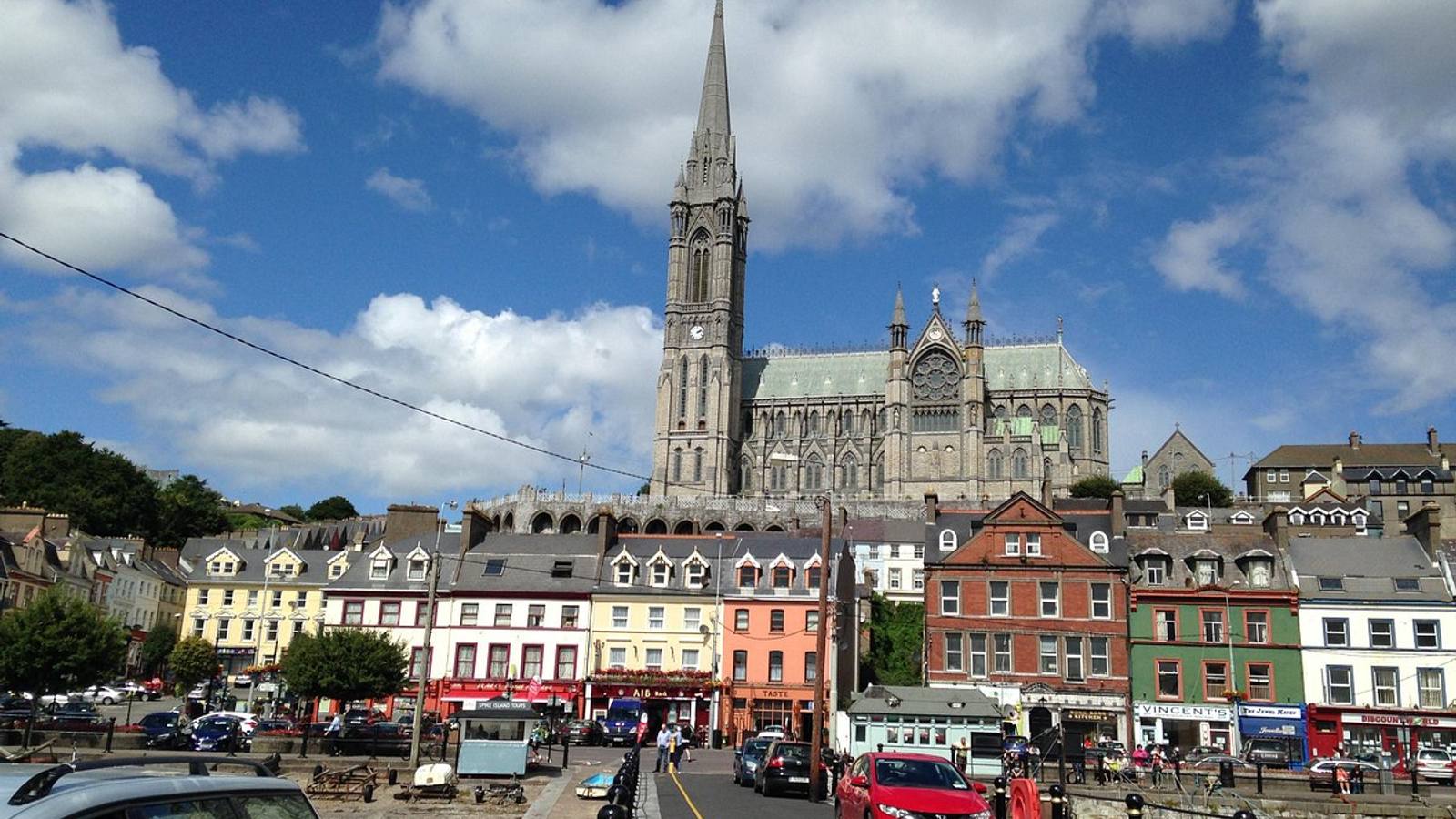
Cobh and the Titanic Trail: The colourful terraced houses rising from Cobh harbour to St Colman’s Cathedral form one of Ireland’s most photographed scenes. Cobh was the last port of call for the RMS Titanic in April 1912, and the Titanic Experience museum tells the story of the 123 passengers who boarded here. The town’s maritime heritage runs deep — it was also the departure point for millions of Irish emigrants during the Famine years. See our guide to everything to do in Cobh for the full Titanic Trail itinerary.
The English Market, Cork City: Trading since 1788, the English Market is one of the oldest covered food markets in Europe. Queen Elizabeth II visited in 2011, and the stalls inside are a feast for the senses: artisan cheeses from Gubbeen and Ardrahan, fresh fish landed that morning, spiced beef (a Cork speciality), and the legendary Mr Bell’s coffee. Come hungry.
Blarney Castle: Yes, tourists queue to kiss the Blarney Stone for the “gift of the gab” — but the castle grounds and gardens are genuinely beautiful. The Rock Close, a set of ancient druidic stones in the castle gardens, is atmospheric and far less crowded than the castle itself. Arrive early to avoid the queues.
Kinsale: This compact harbour town has reinvented itself as Ireland’s gourmet capital. The narrow streets are lined with excellent restaurants, colourful shopfronts, and art galleries. Charles Fort, a 17th-century star-shaped fortress overlooking the harbour entrance, offers spectacular views and a fascinating military history. Kinsale is also the starting point for the Wild Atlantic Way.
Mizen Head Signal Station: At Ireland’s most south-westerly point, you cross a dramatic bridge over a gorge to reach the old signal station perched on the cliffs. The views are extraordinary — on clear days you can feel like you’re standing at the very edge of Europe, with nothing between you and America but three thousand miles of Atlantic.
Midleton Distillery Experience: Whiskey lovers should build in time for the Midleton Distillery Experience, the state-of-the-art production home (opened 1975) behind Jameson, Redbreast, Powers, and Midleton Very Rare — and the setting for one of the most dramatic comebacks in Irish drink history.
☘️ Love discovering Ireland’s counties? Our free weekly newsletter brings you the best stories, hidden gems, and travel inspiration from every corner of Ireland — subscribe here and never miss a county.
Hidden Gems Most Tourists Miss
Dursey Island Cable Car: Ireland’s only cable car connects the Beara Peninsula to tiny Dursey Island, swinging high above the churning Atlantic. The island has no shops, no pubs, and a year-round population of about six people. It is gloriously peaceful. Bring a packed lunch and walk the island’s looped trail past abandoned farmhouses and nesting seabirds.
☘️ Enjoying this? 64,000+ Ireland lovers get stories like this every week. Subscribe free →
Gougane Barra: This glacial lake set in the Shehy Mountains is one of Ireland’s most serene spots. A tiny oratory sits on an island in the lake, connected by a causeway — it marks the hermitage of St Finbarr, Cork’s patron saint, who retreated here in the 6th century. The surrounding forest park is perfect for quiet walks, and on misty mornings the lake looks like something from a myth.
Spike Island: Once described as “Ireland’s Alcatraz,” this island fortress in Cork Harbour has served as a monastery, a convict depot, a military fortress, and a prison. The guided tours are excellent, and the views back toward Cobh from the island are stunning. It won Europe’s Leading Tourist Attraction at the World Travel Awards — twice.
Ballincollig Regional Park: Just outside Cork city, this 141-acre park follows the River Lee through woodland, wetlands, and the ruins of a 19th-century gunpowder factory. It’s where locals go to escape — and most visitors have no idea it exists.
☘️ Enjoying this journey through Cork?
Join 64,000+ readers who get stories like this delivered free every morning.
Best Time to Visit County Cork
Cork enjoys some of Ireland’s mildest weather thanks to the Gulf Stream warming its southern coast. May to September offers the longest days and warmest temperatures (14–20°C), though Cork’s rain can arrive without warning in any month. Late September and October bring stunning autumn colours to the wooded valleys around Gougane Barra and the Blackwater.
For food lovers, the Kinsale Gourmet Festival (October) and Cork’s own food festivals are highlights. The Jazz Festival in late October transforms the city into a four-day celebration of music. The West Cork Literary Festival (July) draws writers and readers from across Europe.
The Food Capital of Ireland
If Kerry is Ireland’s most spectacular county, Cork is its most delicious. The county’s food culture runs deeper than any other part of Ireland. West Cork alone produces internationally renowned cheeses (Durrus, Gubbeen, Milleens, Ardrahan), artisan chocolates (Skelligs), and craft spirits. The farm-to-fork movement isn’t a trend here — it’s how people have always eaten.
Cork city’s food scene has exploded in recent years. The English Market remains the anchor, but the surrounding streets now host everything from Michelin-recommended restaurants to street food markets. Spiced beef — a Cork Christmas tradition that’s now eaten year-round — is something you won’t find anywhere else in Ireland.
Practical Tips for Your Cork Visit
Getting there: Cork Airport has direct flights from London, Amsterdam, Paris, and many European cities. Cork Kent Station connects to Dublin by rail (2.5 hours). By road, Cork is approximately 3 hours from Dublin and 1.5 hours from Killarney.
Getting around: A car is essential for exploring the peninsulas and West Cork. Cork city itself is walkable, with the main attractions within a compact central area. The coastal roads in West Cork are narrow but spectacularly scenic — allow extra time and pull over often.
Where to stay: Cork city has excellent hotels and B&Bs in the centre. For a more immersive experience, base yourself in Kinsale, Clonakilty, or Schull in West Cork. Gougane Barra Hotel, right beside the lake, is one of the most peaceful stays in all of Ireland.
Next in the Series
This is the second article in our 32 Counties of Ireland series, where we explore every county on the island. If you missed the first, start with County Kerry — Ireland’s Most Spectacular Corner. Next up: County Galway — the cultural capital of the West.
☘️ Don’t miss a county. Subscribe to our free Love Ireland newsletter for weekly stories, hidden gems, and travel guides from all 32 counties — subscribe here.
☘️ Love learning about Ireland’s counties?
Join 64,000+ readers exploring Ireland — one story at a time. Free every morning.
☘️ You Might Also Love
☘️ Join 64,000+ Ireland Lovers
Every Friday, get Ireland’s hidden gems, local secrets, and travel inspiration — the kind you won’t find in any guidebook.
Free forever · · Unsubscribe anytime
☘️ Want More Hidden Ireland?
Join 64,000+ subscribers who discover Ireland’s best-kept secrets every week.
Subscribe Free — Join the Community →
Free forever · Unsubscribe anytime · No spam
📥 Free Download: Ireland Travel Planning Guide
Our most popular resource — itineraries, insider tips, and the 50 places you must not miss.
Planning a trip to Ireland?
Download our Free Ireland Travel Planner 2026 — the complete guide to planning your perfect Irish adventure. Join 170,000+ subscribers who love Ireland!
Tours & experiences you might love


Powered by Viator. Some links are affiliate links — we may earn a small commission at no extra cost to you.
Secure Your Dream Irish Experience Before It’s Gone!
Planning a trip to Ireland? Don’t let sold-out tours or packed attractions spoil your journey. Iconic experiences like visiting the Cliffs of Moher, exploring the Rock of Cashel, or enjoying a guided walk through Ireland’s ancient past often sell out quickly—especially during peak travel seasons.

Booking in advance guarantees your place and ensures you can fully immerse yourself in the rich culture and breathtaking scenery without stress or disappointment. You’ll also free up time to explore Ireland’s hidden gems and savour those authentic moments that make your trip truly special.
Make the most of your journey—start planning today and secure those must-do experiences before they’re gone!