

LOVE IRELAND – Visit Ireland for the natural beauty and history, as well as its lively atmosphere, traditional food, guinness, whiskey, dancing and much more. The Irish are known worldwide for their festive celebration and the country hosts many events and festivals throughout the year, including Fleadh Cheoil na hÉireann, the largest festival of traditional Irish music.
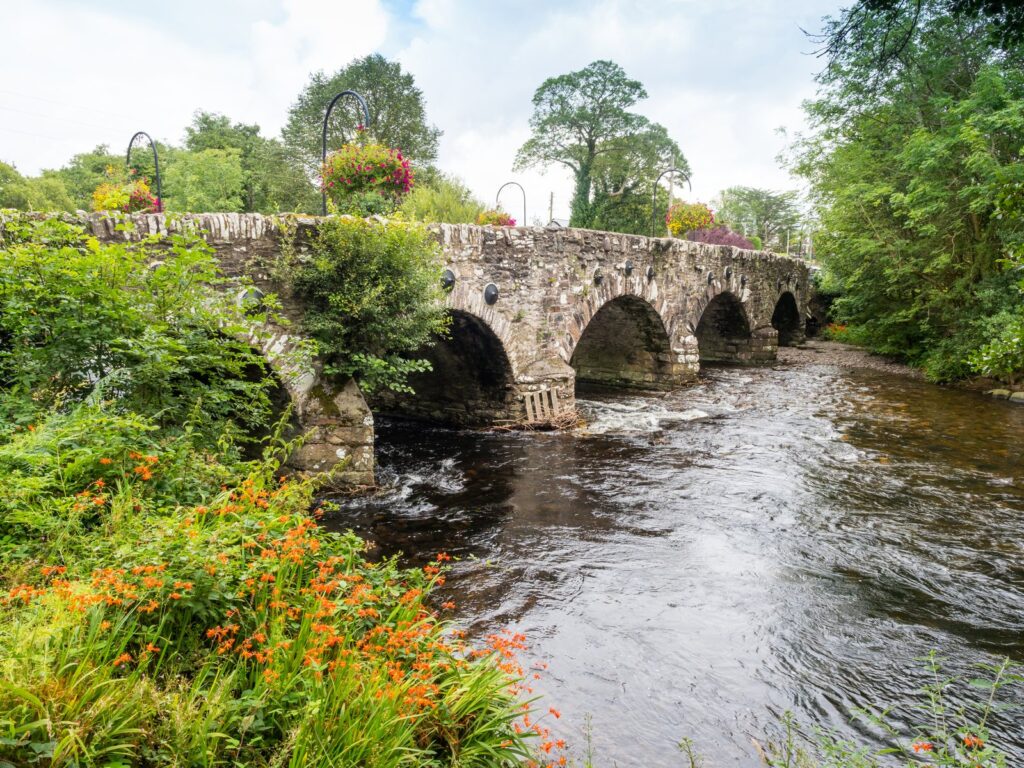
Charming medieval town centres, arched stone bridges, lichen-spotted abbeys and 19th-century townhouses are everywhere you look.
Ireland’s Top 10 Places to Visit for First-Timers
New to Ireland? These ten places make a great first trip, from the Atlantic cliffs of Clare to the medieval streets of Kilkenny. Each one has its own section below, with why we love it and a link to our full guide. For more ideas, see our guide to the most beautiful places in Ireland and our ultimate Ireland travel guide.
1. Cliffs of Moher, County Clare
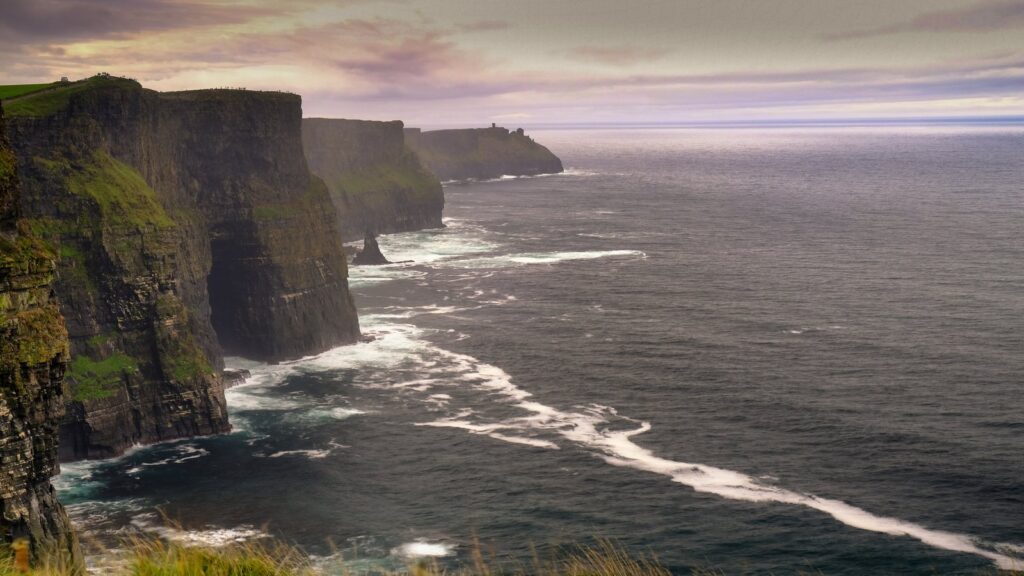
Best for: Atlantic cliff scenery on the Wild Atlantic Way.
The cliffs run for about 14 km along the Clare coast and reach 214 metres at their highest point, just north of O’Brien’s Tower, a round viewing tower built in 1835 by local landlord Sir Cornelius O’Brien. On a clear day you can see the Aran Islands out in Galway Bay. Stay behind the walls and on the marked paths: the edge is sheer and the wind can be strong.
Before you go, read our Cliffs of Moher trail guide. Official site: cliffsofmoher.ie.
2. Ring of Kerry, County Kerry
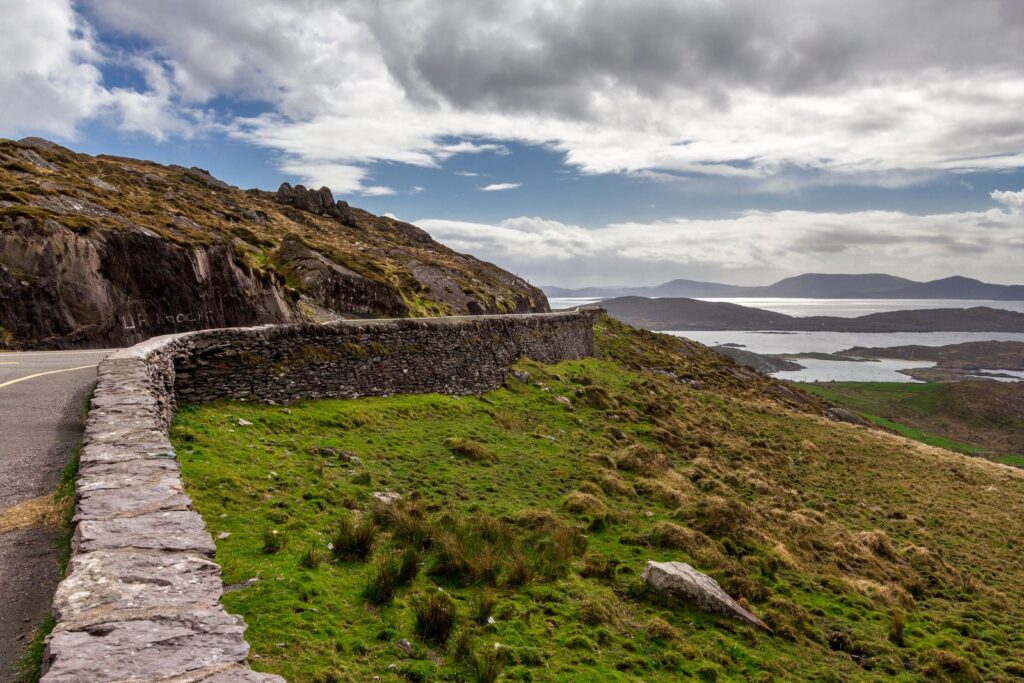
Best for: a classic scenic drive.
The Ring of Kerry is a loop of about 179 km around the Iveragh Peninsula, taking in Killarney, Kenmare, Sneem, Waterville and Cahersiveen, with mountain passes, lakes and Atlantic beaches between them. Tour coaches drive it anticlockwise, so many drivers in cars go clockwise to avoid stopping behind them on the narrow stretches. Give it a full day; the side trip to the Skellig Ring near Portmagee is worth the extra hour.
Plan the route with Ring of Kerry: Ireland’s most famous drive.
3. Killarney and Ross Castle, County Kerry
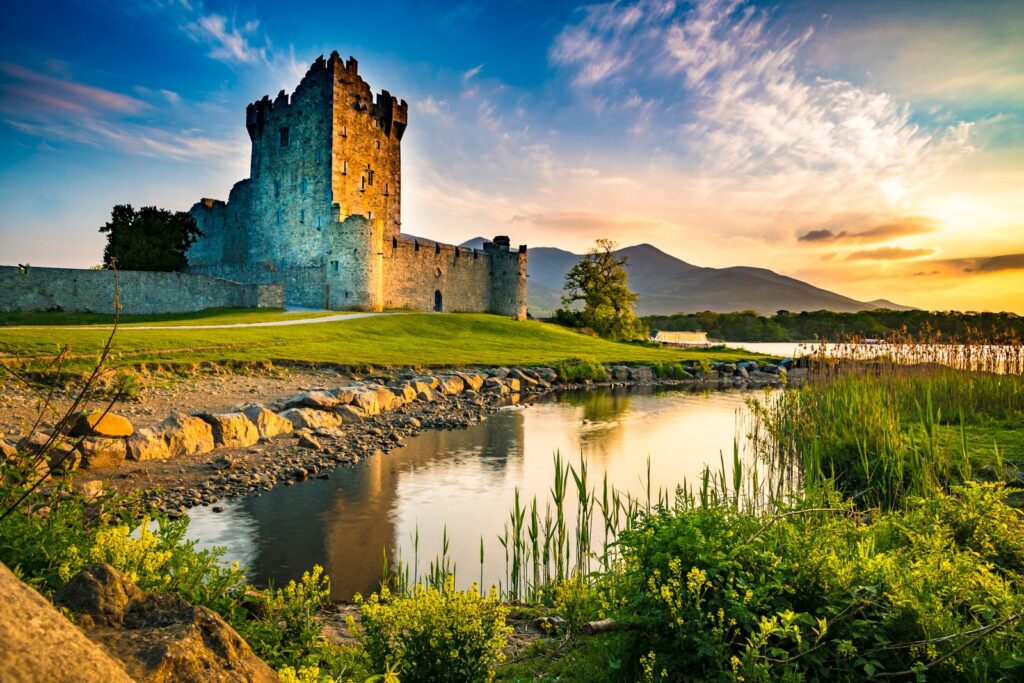
Best for: lakes, castles and easy walking.
Killarney National Park was Ireland’s first national park, created in 1932 when the Muckross estate was given to the Irish nation. Ross Castle, a 15th-century tower house built by the O’Donoghue chieftains, stands on the shore of Lough Leane, and from its pier you can take a boat out on the lakes. Muckross House, Torc Waterfall and the Gap of Dunloe are all close by, and jaunting cars (horse and trap) leave from the town.
Our visitors’ guide to Killarney National Park and the story of Ross Castle and the Cromwell prophecy.
4. Giant’s Causeway, County Antrim
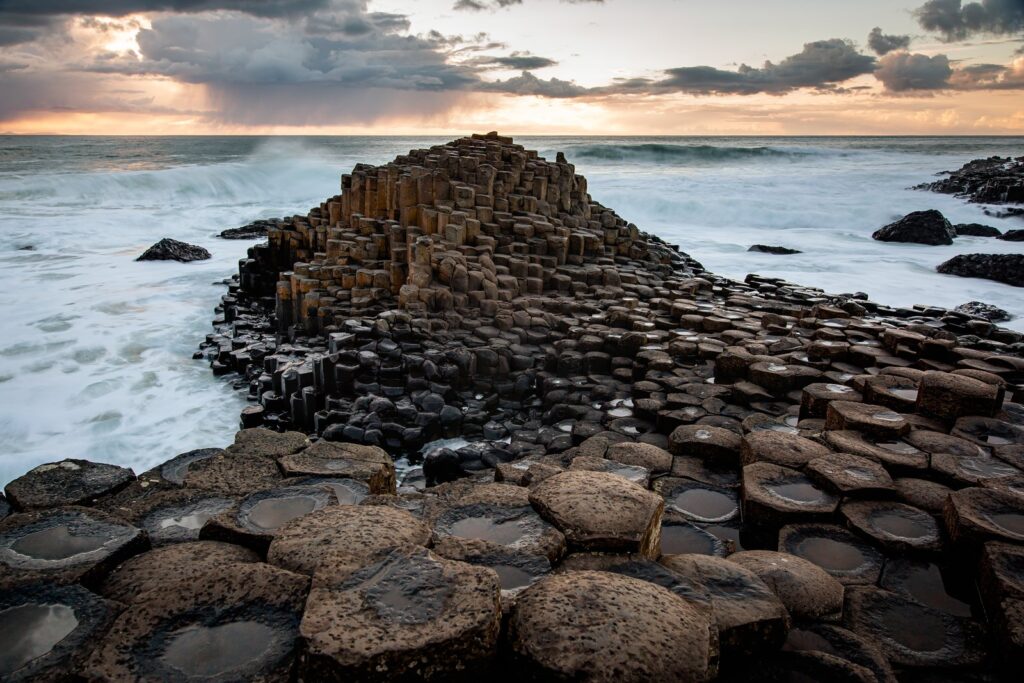
Best for: geology and legend.
More than 40,000 interlocking basalt columns step down into the sea on the north Antrim coast, formed by volcanic activity about 60 million years ago. Legend says the giant Finn McCool built it as a path to Scotland. It was Northern Ireland’s first UNESCO World Heritage Site and is looked after by the National Trust. The coast path is free to walk; the visitor centre is ticketed. Go early or late in the day to see it at its quietest.
Read the Giant’s Causeway at sunrise. Official site: National Trust, Giant’s Causeway.
5. Skellig Michael, County Kerry
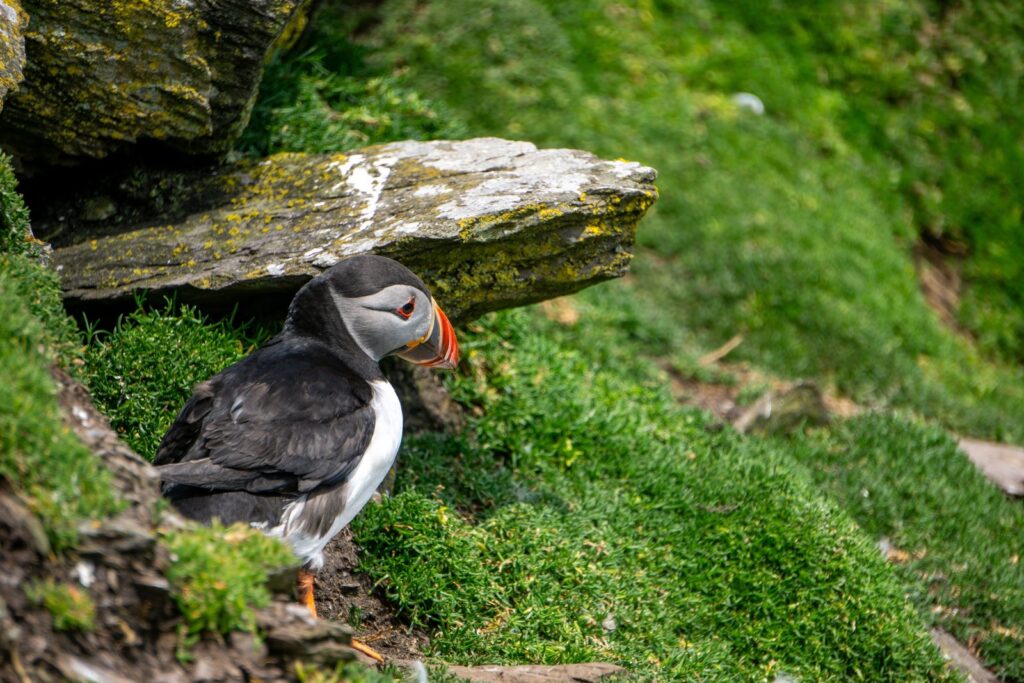
Best for: history and wildlife.
This steep rock about 11.5 km off the Kerry coast holds the beehive huts of St Fionán’s monastery, one of the earliest Christian foundations in Ireland, reached by 618 stone steps. It is one of the two UNESCO World Heritage Sites in the Republic, and from spring to late summer puffins nest on its slopes. Landing trips depend on the weather and run only in the summer season, and Heritage Ireland lists the island as closed for 2026, so check before you plan. Boat trips that circle the Skelligs without landing are the alternative.
Read Skellig Michael: one of Ireland’s most extraordinary places. Official site: Heritage Ireland, Sceilg Mhichíl.
6. Dublin
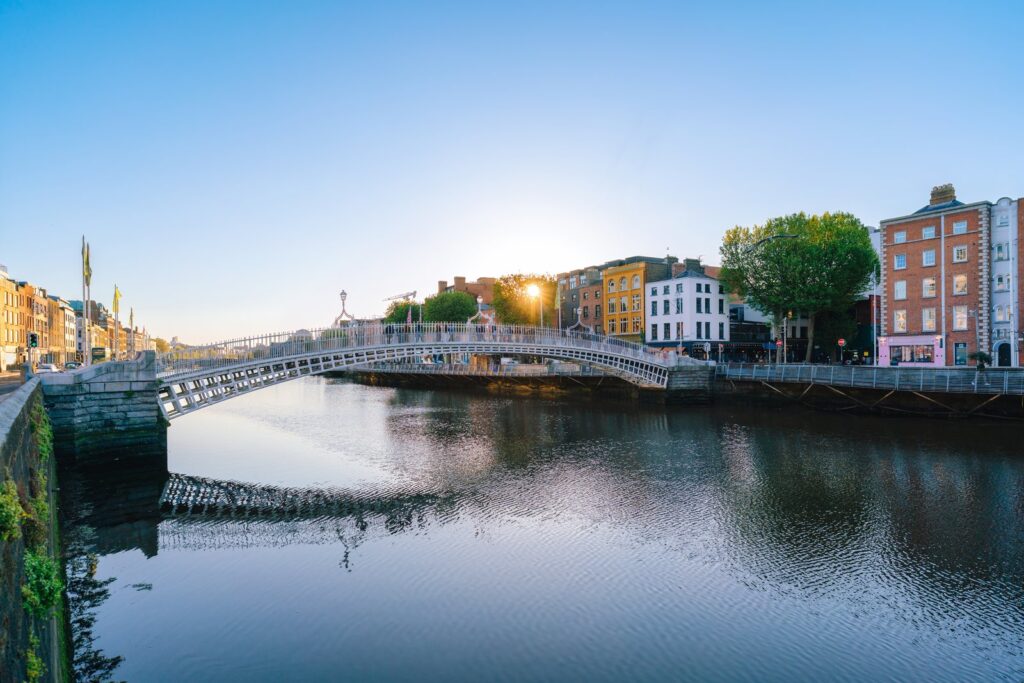
Best for: history, books and pubs.
Ireland’s capital is small enough to walk. See the Book of Kells at Trinity College, cross the Ha’penny Bridge (opened in 1816, when walkers paid a halfpenny toll), and spend an evening around Temple Bar or in one of the old pubs nearby. Many of the big national museums, including the National Gallery and the National Museum, are free to enter.
Save money with 50 free things to do in Dublin, then read the stories behind Dublin’s oldest pubs.
7. Galway
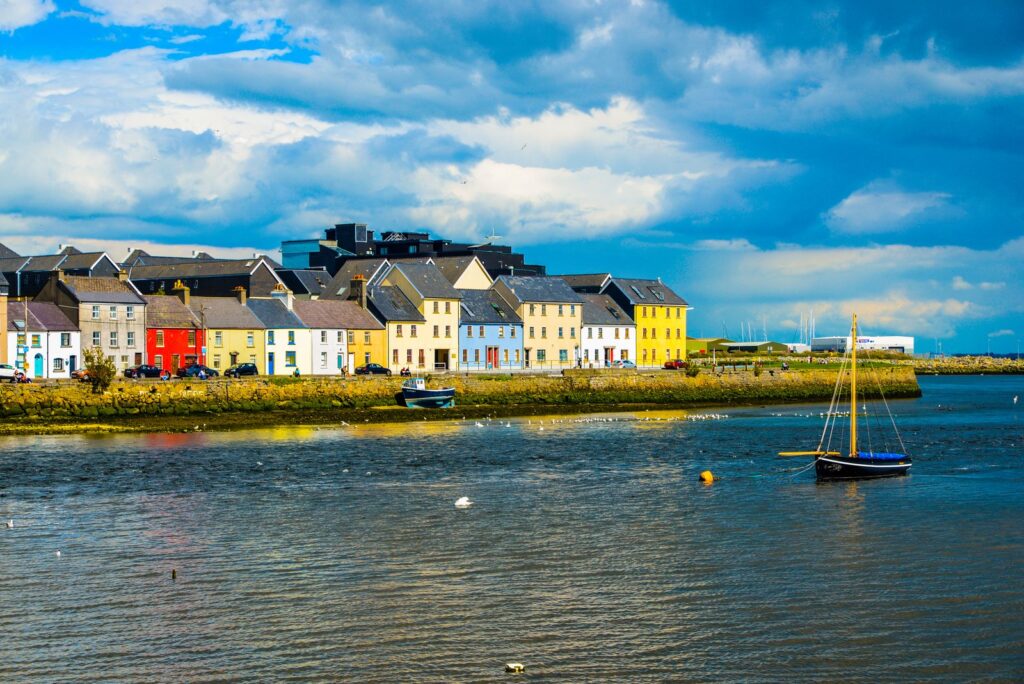
Best for: music, festivals and a lively atmosphere.
Galway is a compact harbour city where the River Corrib meets Galway Bay. Walk from the Latin Quarter’s pubs and street musicians down to the Spanish Arch and the painted houses of the Long Walk. The Galway International Arts Festival runs in July and the Galway Races week runs at the end of July, and the city makes a good base for day trips to Connemara and the Aran Islands.
Start with our top 10 things to do in Galway, and for music, The Crane Bar’s traditional sessions.
8. Dingle Peninsula, County Kerry
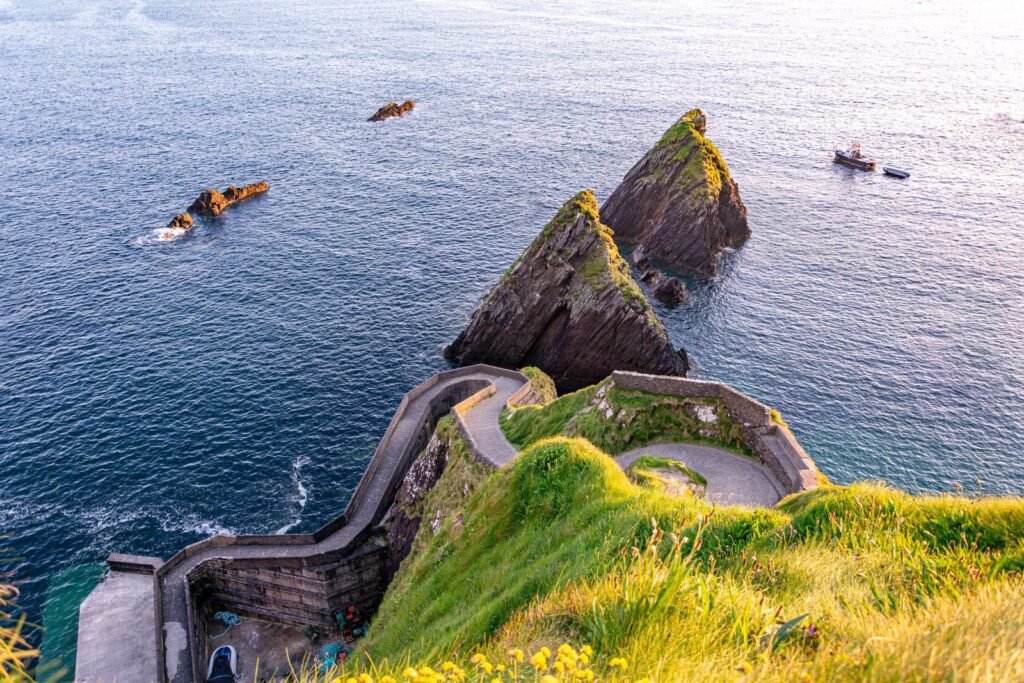
Best for: coast roads and Irish-language culture.
The Dingle Peninsula is part of the Kerry Gaeltacht, where Irish is spoken every day. The Slea Head Drive loops west from Dingle town past beehive huts, beaches and the zigzag path down to Dunquin Pier, where boats leave for the Blasket Islands. Back in Dingle town, the harbour is lined with colourful shopfronts, seafood restaurants and music pubs.
See Dingle town on the Wild Atlantic Way and our guide to Dunquin Pier.
9. Kilkenny, County Kilkenny
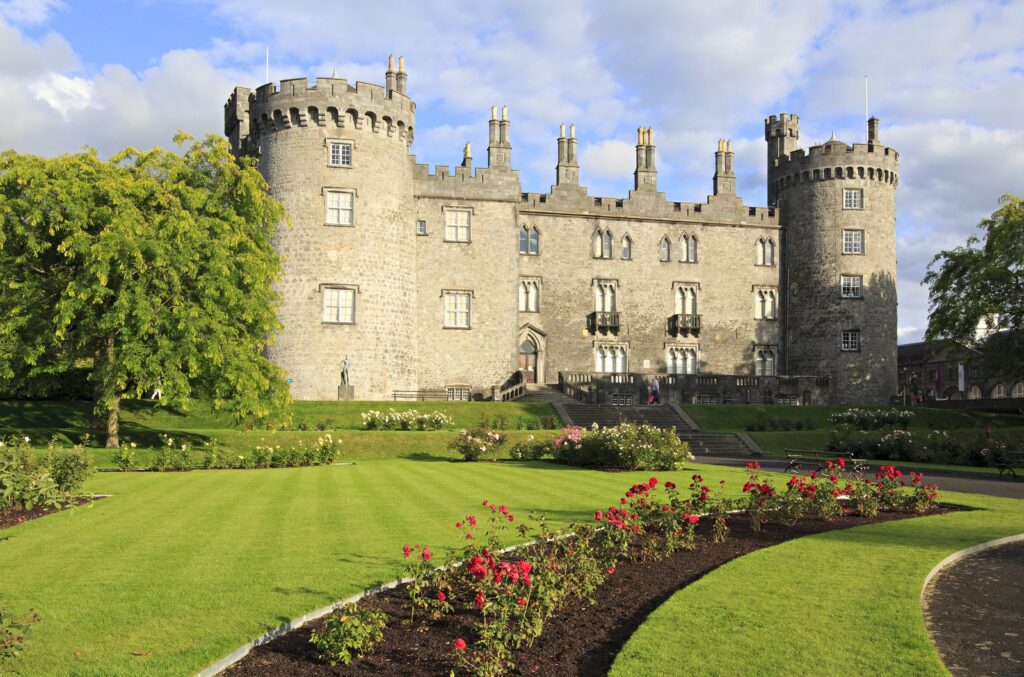
Best for: medieval streets and heritage.
Kilkenny is a small medieval city on the River Nore, with a narrow lane known as the Medieval Mile linking the castle to St Canice’s Cathedral. Kilkenny Castle was home to the Butler family for centuries until 1967, when the castle was sold to a local restoration committee for £50 and handed over to the State. It is now open to visitors, and the parkland around it is free to walk.
Read Kilkenny Castle: 800 years of Irish history and why Kilkenny is Ireland’s most underrated medieval city. Nearby: Jerpoint Abbey.
10. Blarney Castle and Cork, County Cork
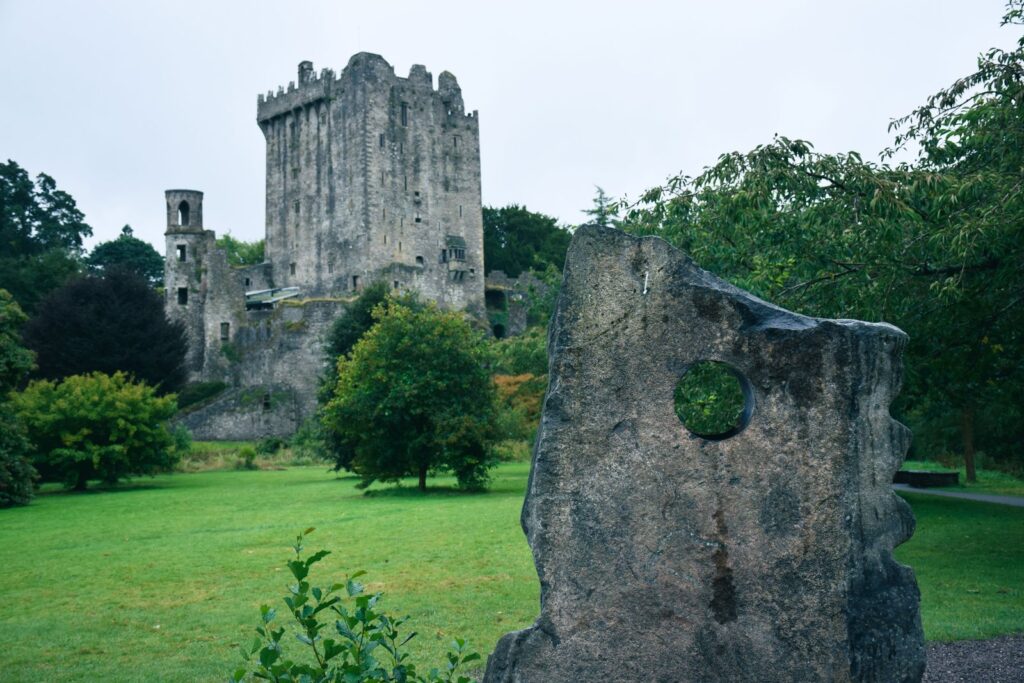
Best for: castle gardens and food.
Blarney Castle, about 8 km from Cork city, was built in the 15th century by the MacCarthy family. To kiss the Blarney Stone you climb to the top of the keep and lean back over the battlements, held by an attendant, which is said to give the gift of the gab. Leave time for the gardens, then head into Cork for the English Market.
Read about Blarney Castle in County Cork and why Cork is worth more than a quick stop. Official site: blarneycastle.ie.
Planning your route
Most first trips fly into Dublin or Shannon. A loop of 10 to 14 days takes in Dublin, Kilkenny, Cork, Kerry, Clare and Galway; add three or four days to reach the Giant’s Causeway in the north. Want quieter stops? Add these seven small villages to visit in Ireland. For a longer list, see our 73 top tourist attractions in Ireland.
Ready for your trip to Ireland? Start here.
Read Next
Not sure what to bring? Our 10 packing essentials for Ireland cover the weather.
Short on time? Start with our top 9 places in Ireland.
If you can spare a night, you can stay in a castle.
☘️ You Might Also Love
64,000 Ireland lovers can’t be wrong.
Every week, our free newsletter delivers hidden gems, seasonal guides, local stories, and practical travel tips — straight to your inbox. Join the community that loves Ireland as much as you do.
☘️ Want More Hidden Ireland?
Join 64,000+ subscribers who discover Ireland’s best-kept secrets every week.
Subscribe Free — Join the Community →
Free forever · Unsubscribe anytime · No spam
📥 Free Download: Ireland Travel Planning Guide
Our most popular resource — itineraries, insider tips, and the 50 places you must not miss.
Tours & experiences you might love


Powered by Viator. Some links are affiliate links — we may earn a small commission at no extra cost to you.
Secure Your Dream Irish Experience Before It’s Gone!
Planning a trip to Ireland? Don’t let sold-out tours or packed attractions spoil your journey. Iconic experiences like visiting the Cliffs of Moher, exploring the Rock of Cashel, or enjoying a guided walk through Ireland’s ancient past often sell out quickly—especially during peak travel seasons.

Booking in advance guarantees your place and ensures you can fully immerse yourself in the rich culture and breathtaking scenery without stress or disappointment. You’ll also free up time to explore Ireland’s hidden gems and savour those authentic moments that make your trip truly special.
Make the most of your journey—start planning today and secure those must-do experiences before they’re gone!
Anne McRoberts
Saturday 18th of March 2023
The island of Ireland consists of 32 counties.Northern Ireland consists of 6 counties.The Republic of Ireland or Eire consists of 26 counties.In the video,you have chosen 10 places in the Republic of Ireland…The Republic of Ireland is not Ireland.Might I suggest that instead of 10 places,you make it 12….and include 2 from the 6 counties.The Giant’s Causeway comes to mind.You might also use a flag that represents all of Ireland…not just 26 counties of the island.